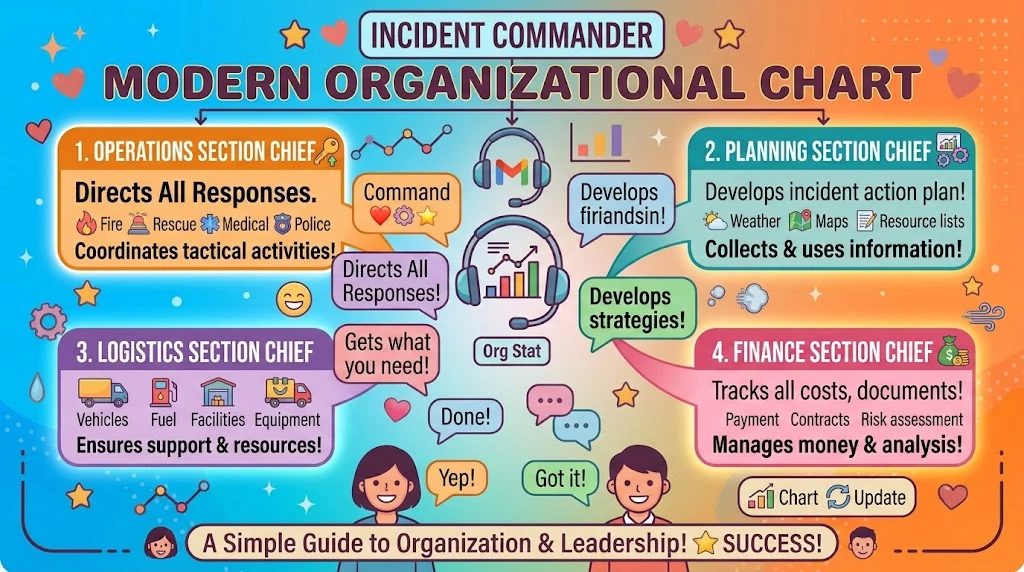
The Operations Section Chief directs all responses in the Incident Command System. They run tactical operations while Planning, Logistics, and Finance handle the behind the scenes work.
Ever been in a meeting and someone drops “which general staff member directs all responses” like it is a pop quiz? Your brain scrambles for a second because you know it is important but the acronyms start blending together. Whether you are studying for a certification, prepping for a drill, or just trying to sound smart in a group chat, this question comes up more than you think. Getting the answer right matters because it shows you actually understand how response teams are structured.
The Operations Section Chief is the go to answer, but how you deliver it changes everything. A confident reply can make you look like the smartest person in the room. A funny one can break the tension. A polite one keeps the conversation moving. The right response shapes how people see you and keeps the team aligned on who is actually in charge of the action. Let’s break down every way to answer this question so you are ready for anything.
Funny Responses
- The Operations Section Chief, aka the person who actually reads the manual.
Example: Use when a coworker asks the question right before a drill.
Meaning: Gets a laugh while giving the correct answer. - Operations Section Chief. They are basically the group project leader who does the work.
Example: Use when training new team members.
Meaning: Relatable comparison that makes the role stick. - That would be the Operations Section Chief. Yes, the one with the cool title.
Example: Use when someone seems nervous about the answer.
Meaning: Playful tone that makes learning less intimidating. - Operations Section Chief. They direct responses like a movie director but with more radios.
Example: Use when explaining the role to a friend outside work.
Meaning: Creative and memorable. - The Operations Section Chief. Not me. I just make the coffee.
Example: Use when deflecting responsibility with humor.
Meaning: Self deprecating and friendly. - Operations Section Chief. The person who actually knows where the exits are.
Example: Use during safety training.
Meaning: Makes the role feel practical and important. - It is the Operations Section Chief. Yes, the one who skipped the boring meetings to get things done.
Example: Use with a teammate who dislikes admin work.
Meaning: Funny and slightly cheeky. - Operations Section Chief. They are like the main character of the response team.
Example: Use when explaining hierarchy to a newbie.
Meaning: Meme friendly and clear. - That is the Operations Section Chief. They direct responses and also my respect.
Example: Use when praising the role during a debrief.
Meaning: Funny admiration. - Operations Section Chief. The person who tells everyone else what to do and somehow stays calm.
Example: Use when describing the role to someone outside the field.
Meaning: Accurate and humorous. - The Operations Section Chief. They are the reason the response plan is not just a suggestion.
Example: Use during a lighthearted training session.
Meaning: Witty and informative. - Operations Section Chief. They run the show while the rest of us try to look busy.
Example: Use with close colleagues.
Meaning: Self aware humor that keeps the mood light.
Brutal Responses
- Operations Section Chief. Read the ICS chart before you ask again.
Example: Use when someone keeps asking the same question.
Meaning: Direct and no nonsense. - The Operations Section Chief. This is basic stuff.
Example: Use when a teammate should already know the answer.
Meaning: Calls out the lack of preparation. - Operations Section Chief. You should know this by now.
Example: Use during a refresher session.
Meaning: Blunt reminder to review the basics. - Operations Section Chief. Write it down this time.
Example: Use when someone asks repeatedly.
Meaning: Firm and practical. - Operations Section Chief. Maybe open the manual once in a while.
Example: Use with a coworker who skips reading.
Meaning: Tough love for learning. - Operations Section Chief. It is not a trick question.
Example: Use when someone second guesses the obvious answer.
Meaning: Direct and clear. - Operations Section Chief. That is the answer. No debate needed.
Example: Use when someone argues about the role.
Meaning: Confident and final. - Operations Section Chief. Stop overthinking it.
Example: Use when someone is confused by the hierarchy.
Meaning: Cuts through the confusion. - Operations Section Chief. The fact that you did not know is concerning.
Example: Use during a serious training session.
Meaning: Honest and direct. - Operations Section Chief. Look it up before the next drill.
Example: Use when someone is unprepared.
Meaning: Sets an expectation. - Operations Section Chief. It is literally in the name of the role.
Example: Use when someone misses the obvious clue.
Meaning: Pointed and slightly sarcastic. - Operations Section Chief. Now you know. Do not forget it.
Example: Use after answering the question.
Meaning: Firm but helpful.
Flirty Responses
- Operations Section Chief. But you can call me if you need help remembering.
Example: Use with a cute coworker who asks the question.
Meaning: Playful and cheeky. - The Operations Section Chief. I like someone who asks smart questions.
Example: Use when someone you like asks during training.
Meaning: Flirty compliment. - Operations Section Chief. I would direct your response anytime.
Example: Use with a friend who asks jokingly.
Meaning: Cheesy but fun flirt. - Operations Section Chief. Want me to quiz you later?
Example: Use with someone you want to spend more time with.
Meaning: Flirty invitation to study together. - Operations Section Chief. You are cute when you are confused.
Example: Use when they ask the question with a puzzled look.
Meaning: Playful and warm. - Operations Section Chief. But I would follow your lead any day.
Example: Use when being playful with a teammate.
Meaning: Flirty and charming. - Operations Section Chief. Good thing you have me to remind you.
Example: Use with someone you enjoy talking to.
Meaning: Confident and flirty. - Operations Section Chief. I will let you be my second in command.
Example: Use with a crush during a training exercise.
Meaning: Playful hierarchy joke. - Operations Section Chief. See? We make a great team.
Example: Use after helping someone understand the role.
Meaning: Flirty connection. - Operations Section Chief. You ask, I answer. That is our thing.
Example: Use with a friend who always comes to you.
Meaning: Flirty and familiar. - Operations Section Chief. You owe me a coffee for that one.
Example: Use after answering the question.
Meaning: Playful and sets up a date. - Operations Section Chief. I would direct your response to the nearest coffee shop.
Example: Use with someone you want to hang out with.
Meaning: Flirty and bold.
Polite Responses
- The Operations Section Chief is the general staff member who directs all responses.
Example: Use in a formal briefing.
Meaning: Clear and courteous. - That would be the Operations Section Chief. Please let me know if you need more details.
Example: Use when answering a colleague’s question.
Meaning: Helpful and respectful. - The Operations Section Chief handles that role. Happy to clarify further.
Example: Use during a training session.
Meaning: Warm and professional. - Operations Section Chief. I hope that answers your question.
Example: Use when someone asks politely.
Meaning: Friendly and direct. - The Operations Section Chief directs responses. Feel free to ask if you have more questions.
Example: Use when mentoring a new team member.
Meaning: Supportive and polite. - It is the Operations Section Chief. Thank you for asking.
Example: Use in a group setting.
Meaning: Gracious and clear. - Operations Section Chief. Please refer to the ICS chart for more details.
Example: Use when someone needs a visual reference.
Meaning: Helpful and structured. - The Operations Section Chief is responsible. Let me know if you need the full breakdown.
Example: Use when explaining to a client.
Meaning: Professional and accommodating. - Operations Section Chief. I am glad you asked.
Example: Use during a Q and A session.
Meaning: Encouraging and polite. - That role belongs to the Operations Section Chief. Hope that helps.
Example: Use when answering a quick question.
Meaning: Simple and kind. - The Operations Section Chief directs all responses. Please reach out if you need more.
Example: Use in an email response.
Meaning: Clear and courteous. - Operations Section Chief. Happy to help anytime.
Example: Use when closing a conversation.
Meaning: Friendly and willing.
Professional Responses
- The Operations Section Chief is the general staff member responsible for directing all responses.
Example: Use in official documentation or training.
Meaning: Accurate and formal. - According to the Incident Command System, the Operations Section Chief directs all tactical responses.
Example: Use in a certification exam or report.
Meaning: Precise and authoritative. - The Operations Section Chief oversees response operations while other chiefs handle planning, logistics, and finance.
Example: Use when explaining the full structure.
Meaning: Comprehensive and professional. - Operations Section Chief. This role reports directly to the Incident Commander.
Example: Use during a leadership briefing.
Meaning: Clear chain of command. - The Operations Section Chief directs all responses. Please refer to the ICS 200 documentation for more.
Example: Use in a formal training session.
Meaning: Directs to official sources. - That responsibility falls to the Operations Section Chief under the Incident Command System.
Example: Use in a written report.
Meaning: Formal and accurate. - The Operations Section Chief is tasked with directing all tactical response activities.
Example: Use during a debrief.
Meaning: Professional and specific. - Operations Section Chief. They coordinate the response and report to the Incident Commander.
Example: Use when explaining hierarchy to new staff.
Meaning: Clear and structured. - The Operations Section Chief leads the response effort. This is defined in the ICS framework.
Example: Use in a policy document.
Meaning: Authoritative and clear. - According to FEMA ICS guidelines, the Operations Section Chief directs all responses.
Example: Use when answering a formal inquiry.
Meaning: Cites a credible source. - The Operations Section Chief is the correct answer. Please let me know if you need the reference.
Example: Use in a professional email.
Meaning: Helpful and precise. - Operations Section Chief. This role is critical for tactical coordination.
Example: Use during a planning meeting.
Meaning: Emphasizes importance and accuracy.
Creative Responses
- The Operations Section Chief. Think of them as the conductor of the response orchestra.
Example: Use when explaining to someone new.
Meaning: Memorable analogy. - Operations Section Chief. They are the captain of the response ship.
Example: Use during a training icebreaker.
Meaning: Creative and clear. - The Operations Section Chief. The person who turns chaos into a checklist.
Example: Use when describing the role to a friend.
Meaning: Vivid and relatable. - Operations Section Chief. They are like the director of a movie where everyone has a radio.
Example: Use in a casual conversation.
Meaning: Fun and visual. - The Operations Section Chief. The one who makes sure the response plan does not stay on paper.
Example: Use when motivating a team.
Meaning: Inspiring and creative. - Operations Section Chief. They are the GPS for the response team.
Example: Use when explaining the role to a beginner.
Meaning: Simple and clever. - The Operations Section Chief. The main character in the response story.
Example: Use in a lighthearted presentation.
Meaning: Meme friendly and accurate. - Operations Section Chief. They keep the response train on the tracks.
Example: Use during a team huddle.
Meaning: Visual and memorable. - The Operations Section Chief. The one who actually reads the room and the manual.
Example: Use with a chuckle during training.
Meaning: Witty and true. - Operations Section Chief. They are the reason the response does not turn into a group chat.
Example: Use when comparing to everyday life.
Meaning: Funny and relatable. - The Operations Section Chief. The human version of a well organized checklist.
Example: Use when praising efficiency.
Meaning: Creative compliment. - Operations Section Chief. They make response look easy even when it is not.
Example: Use during a debrief.
Meaning: Appreciative and clever.
Sarcastic Responses
- Operations Section Chief. Shocking, I know.
Example: Use when someone acts surprised by the answer.
Meaning: Dry and playful. - The Operations Section Chief. Who would have guessed.
Example: Use when the answer is obvious.
Meaning: Sarcastic but light. - Operations Section Chief. Take notes, there will be a quiz.
Example: Use with a coworker who forgets.
Meaning: Teasing and funny. - The Operations Section Chief. Yes, the person whose title literally says operations.
Example: Use when someone misses the clue.
Meaning: Pointed sarcasm. - Operations Section Chief. Groundbreaking information, right?
Example: Use when the question is basic.
Meaning: Playful mockery. - The Operations Section Chief. I know, mind blowing.
Example: Use with a friend who asks jokingly.
Meaning: Sarcastic and fun. - Operations Section Chief. Please hold while I act surprised.
Example: Use when answering the same question again.
Meaning: Dry humor. - The Operations Section Chief. Next question, please.
Example: Use in a lighthearted training.
Meaning: Sarcastic and efficient. - Operations Section Chief. You are welcome for the free lesson.
Example: Use after answering.
Meaning: Cheeky and confident. - The Operations Section Chief. I will send you my invoice later.
Example: Use with a friend or close colleague.
Meaning: Sarcastic and playful. - Operations Section Chief. It is almost like the manual has answers.
Example: Use when someone avoids reading.
Meaning: Sarcastic nudge. - The Operations Section Chief. Anyway, moving on.
Example: Use when closing the topic.
Meaning: Dry and dismissive in a fun way.
Cute Responses
- The Operations Section Chief. You got this.
Example: Use when encouraging a nervous trainee.
Meaning: Sweet and supportive. - Operations Section Chief. I believe in you.
Example: Use when someone doubts their knowledge.
Meaning: Warm and encouraging. - The Operations Section Chief. See? You are learning already.
Example: Use when someone answers correctly after help.
Meaning: Cute and positive. - Operations Section Chief. I am proud of you for asking.
Example: Use when a new team member speaks up.
Meaning: Supportive and kind. - The Operations Section Chief. You are doing great.
Example: Use during training.
Meaning: Sweet encouragement. - Operations Section Chief. Thanks for caring enough to ask.
Example: Use when someone seeks clarity.
Meaning: Appreciative and warm. - The Operations Section Chief. Keep asking questions. That is how we learn.
Example: Use in a mentoring moment.
Meaning: Encouraging and sweet. - Operations Section Chief. You are smarter than you think.
Example: Use when someone underestimates themselves.
Meaning: Boost confidence. - The Operations Section Chief. I am here if you need more help.
Example: Use when someone is struggling.
Meaning: Supportive and caring. - Operations Section Chief. You are going to ace this.
Example: Use before an exam.
Meaning: Sweet and motivating. - The Operations Section Chief. Good question, by the way.
Example: Use when someone asks thoughtfully.
Meaning: Validating and kind. - Operations Section Chief. You are on the right track.
Example: Use when someone is close to the answer.
Meaning: Encouraging and cute.
Dramatic Responses
- The Operations Section Chief. The fate of the response rests on their shoulders.
Example: Use when explaining the role dramatically.
Meaning: Over the top but accurate. - Operations Section Chief. The one who holds the entire operation together.
Example: Use during a serious briefing.
Meaning: Theatrical emphasis. - The Operations Section Chief. Without them, chaos reigns.
Example: Use in a training scenario.
Meaning: Dramatic and memorable. - Operations Section Chief. The hero we need but do not deserve.
Example: Use when praising the role.
Meaning: Meme friendly drama. - The Operations Section Chief. The weight of the response is on their shoulders.
Example: Use when describing responsibility.
Meaning: Theatrical and clear. - Operations Section Chief. They are the reason the plan does not fall apart.
Example: Use during a debrief.
Meaning: Dramatic emphasis. - The Operations Section Chief. The one who answers when everything is on fire.
Example: Use when explaining urgency.
Meaning: Vivid and dramatic. - Operations Section Chief. The calm in the storm.
Example: Use during a stressful drill.
Meaning: Poetic and dramatic. - The Operations Section Chief. They direct responses like a maestro.
Example: Use when praising leadership.
Meaning: Theatrical and accurate. - Operations Section Chief. The person who actually makes decisions.
Example: Use when clarifying the role.
Meaning: Dramatic clarity. - The Operations Section Chief. The final boss of the response team.
Example: Use with a laugh during training.
Meaning: Meme friendly drama. - Operations Section Chief. Everything hinges on them.
Example: Use when emphasizing importance.
Meaning: Dramatic and true.
Chill And Casual Responses
- Operations Section Chief. That is the one.
Example: Use when someone asks quickly.
Meaning: Simple and relaxed. - Yeah, it is the Operations Section Chief.
Example: Use in a casual conversation.
Meaning: Easy and direct. - Operations Section Chief. No big deal.
Example: Use when someone stresses about the answer.
Meaning: Calm and reassuring. - That would be the Operations Section Chief. All good.
Example: Use in a friendly chat.
Meaning: Chill and helpful. - Operations Section Chief. Easy.
Example: Use when the answer is obvious.
Meaning: Low effort and confident. - The Operations Section Chief. You got it.
Example: Use when confirming someone’s guess.
Meaning: Relaxed and positive. - Operations Section Chief. Nothing to worry about.
Example: Use when someone seems anxious.
Meaning: Calm and kind. - Yeah, Operations Section Chief. Keep it simple.
Example: Use when explaining to a friend.
Meaning: Chill and straightforward. - Operations Section Chief. That is all you need to know.
Example: Use in a quick briefing.
Meaning: Casual and clear. - The Operations Section Chief. Moving on.
Example: Use when closing the topic.
Meaning: Relaxed and efficient. - Operations Section Chief. Hope that helps.
Example: Use after answering.
Meaning: Friendly and casual. - That is the Operations Section Chief. You are welcome.
Example: Use with a smile.
Meaning: Chill and polite.
Confident Responses
- The Operations Section Chief. I am certain.
Example: Use when someone doubts the answer.
Meaning: Assured and clear. - Operations Section Chief. No question about it.
Example: Use during a serious discussion.
Meaning: Strong and confident. - The Operations Section Chief. That is the correct answer.
Example: Use in a training exam.
Meaning: Direct and sure. - Operations Section Chief. I would bet on it.
Example: Use when someone second guesses.
Meaning: Confident and bold. - The Operations Section Chief. Trust me on this one.
Example: Use with a colleague who is unsure.
Meaning: Self assured. - Operations Section Chief. I know the ICS chart.
Example: Use when explaining the structure.
Meaning: Confident and knowledgeable. - The Operations Section Chief. That is final.
Example: Use when ending a debate.
Meaning: Decisive and clear. - Operations Section Chief. No need to double check.
Example: Use when someone reaches for the manual.
Meaning: Confident and calm. - The Operations Section Chief. I have answered this before.
Example: Use with a forgetful teammate.
Meaning: Experienced and sure. - Operations Section Chief. I stand by that.
Example: Use when challenged.
Meaning: Firm and confident. - The Operations Section Chief. You can quote me.
Example: Use in a lighthearted way.
Meaning: Bold and assured. - Operations Section Chief. That is the truth.
Example: Use when wrapping up.
Meaning: Strong and direct.
Emotional Responses
- The Operations Section Chief. Honestly, they do not get enough credit.
Example: Use when praising the role.
Meaning: Sincere appreciation. - Operations Section Chief. I felt that question in my soul.
Example: Use when someone asks nervously.
Meaning: Relatable and warm. - The Operations Section Chief. It is a lot of responsibility.
Example: Use when discussing the role seriously.
Meaning: Empathetic and thoughtful. - Operations Section Chief. I am glad someone asked.
Example: Use during a group discussion.
Meaning: Honest and appreciative. - The Operations Section Chief. That role carries weight.
Example: Use when explaining to a new team.
Meaning: Respectful and emotional. - Operations Section Chief. I hope they get the support they need.
Example: Use in a debrief.
Meaning: Caring and human. - The Operations Section Chief. It is not an easy job.
Example: Use when discussing leadership.
Meaning: Empathetic and real. - Operations Section Chief. I have seen them in action.
Example: Use when sharing experience.
Meaning: Genuine and reflective. - The Operations Section Chief. Respect where it is due.
Example: Use when acknowledging effort.
Meaning: Heartfelt and fair. - Operations Section Chief. That is a heavy title.
Example: Use when talking about responsibility.
Meaning: Thoughtful and emotional. - The Operations Section Chief. They keep us safe.
Example: Use in a serious moment.
Meaning: Sincere gratitude. - Operations Section Chief. I am thankful for that role.
Example: Use when wrapping up a discussion.
Meaning: Genuine appreciation.
Sweet Responses
- The Operations Section Chief. You are doing great for asking.
Example: Use when encouraging a new learner.
Meaning: Kind and supportive. - Operations Section Chief. I am happy to help you remember.
Example: Use with a friend who forgets.
Meaning: Warm and patient. - The Operations Section Chief. Keep up the good work.
Example: Use during training.
Meaning: Encouraging and sweet. - Operations Section Chief. You are learning so fast.
Example: Use when someone gets it right.
Meaning: Positive reinforcement. - The Operations Section Chief. I am glad you are on the team.
Example: Use when welcoming a new member.
Meaning: Warm and inclusive. - Operations Section Chief. Thanks for asking. That shows you care.
Example: Use when someone seeks clarity.
Meaning: Appreciative and kind. - The Operations Section Chief. You are going to do amazing.
Example: Use before a drill.
Meaning: Sweet motivation. - Operations Section Chief. I am here if you need anything.
Example: Use when someone seems unsure.
Meaning: Supportive and caring. - The Operations Section Chief. You are smarter than you know.
Example: Use when someone doubts themselves.
Meaning: Gentle confidence boost. - Operations Section Chief. I believe in your ability to remember this.
Example: Use in a lighthearted way.
Meaning: Sweet and encouraging. - The Operations Section Chief. You are on the right path.
Example: Use when guiding someone.
Meaning: Warm and positive. - Operations Section Chief. Keep asking. You are doing great.
Example: Use after answering.
Meaning: Supportive and sweet.
Clever Responses
- The Operations Section Chief. Think of them as the response GPS.
Example: Use when explaining to a visual learner.
Meaning: Clever analogy. - Operations Section Chief. They are the conductor of the response train.
Example: Use during a training session.
Meaning: Smart and memorable. - The Operations Section Chief. The one who reads the manual so you do not have to.
Example: Use with a laugh.
Meaning: Witty and true. - Operations Section Chief. The answer is in the title. Operations equals action.
Example: Use when someone misses the clue.
Meaning: Clever breakdown. - The Operations Section Chief. They direct responses like a movie director.
Example: Use in a casual chat.
Meaning: Smart analogy. - Operations Section Chief. The person who turns plans into action.
Example: Use when explaining the role.
Meaning: Sharp and clear. - The Operations Section Chief. The human version of a well organized checklist.
Example: Use when praising efficiency.
Meaning: Clever compliment. - Operations Section Chief. They keep the response from becoming a group project.
Example: Use with a laugh.
Meaning: Witty and relatable. - The Operations Section Chief. The one who actually knows where the exits are.
Example: Use during safety training.
Meaning: Smart and practical. - Operations Section Chief. The main character of the response story.
Example: Use in a lighthearted presentation.
Meaning: Meme friendly and clever. - The Operations Section Chief. The reason the plan does not stay on paper.
Example: Use during a debrief.
Meaning: Sharp and inspiring. - Operations Section Chief. They make response look easy.
Example: Use when appreciating leadership.
Meaning: Clever and true.
Educational Responses
- The Operations Section Chief directs all responses under the Incident Command System.
Example: Use in a training module.
Meaning: Clear and factual. - Operations Section Chief. They are part of the General Staff and report to the Incident Commander.
Example: Use when explaining hierarchy.
Meaning: Accurate and structured. - The Operations Section Chief handles tactical operations while Planning, Logistics, and Finance support the response.
Example: Use in a classroom setting.
Meaning: Comprehensive and clear. - Operations Section Chief. This role is defined in the ICS framework and is critical for coordination.
Example: Use in a certification course.
Meaning: Authoritative and helpful. - The Operations Section Chief directs all responses. The other chiefs handle planning, resources, and finances.
Example: Use when teaching the full structure.
Meaning: Educational and precise. - Operations Section Chief. They are responsible for the tactical response and report directly to the Incident Commander.
Example: Use in a briefing.
Meaning: Clear and informative. - The Operations Section Chief leads the response effort. This is a core concept in ICS training.
Example: Use when reviewing basics.
Meaning: Educational and accurate. - Operations Section Chief. They coordinate all tactical activities during an incident.
Example: Use in a drill.
Meaning: Clear and specific. - The Operations Section Chief directs responses according to FEMA ICS guidelines.
Example: Use in a formal setting.
Meaning: Reliable and factual. - Operations Section Chief. This role ensures that the response plan is executed effectively.
Example: Use in a debrief.
Meaning: Educational and clear. - The Operations Section Chief is the correct answer. The General Staff includes Operations, Planning, Logistics, and Finance.
Example: Use in an exam review.
Meaning: Thorough and helpful. - Operations Section Chief. They are the tactical lead for all response operations.
Example: Use when summarizing the role.
Meaning: Precise and educational.
FAQs
What does the question mean?
It is asking which member of the General Staff in the Incident Command System is responsible for directing all tactical responses. The answer is the Operations Section Chief.
Is there an emotional or flirty way to answer?
You can make it playful by saying “Operations Section Chief, but you can call me if you need help remembering.” Just keep it light and only with people who enjoy that humor.
How do I answer this in a professional setting?
Stick to the facts. Say “The Operations Section Chief directs all responses under the Incident Command System.” Keep it clear and cite the ICS framework if needed.
What if I do not actually mean the answer?
Do not guess in a professional setting. If you are unsure, say “Let me confirm that and get back to you.” It is better to be accurate than to pretend.
Is humor appropriate when answering this question?
Yes, in casual or training settings. A light joke can help people remember the answer. Just read the room and keep it professional in formal briefings.
Conclusion
Knowing which general staff member directs all responses is one of those small facts that makes a big difference. The Operations Section Chief runs the tactical show, and being able to answer that confidently shows you actually understand how response teams work. Whether you go funny, polite, professional, or clever, the way you deliver the answer shapes how people see you.
Save this list for your next training session, share it with a teammate who always forgets, and keep the energy sharp. You have got the answer. Now go out there and direct your own response with style.
