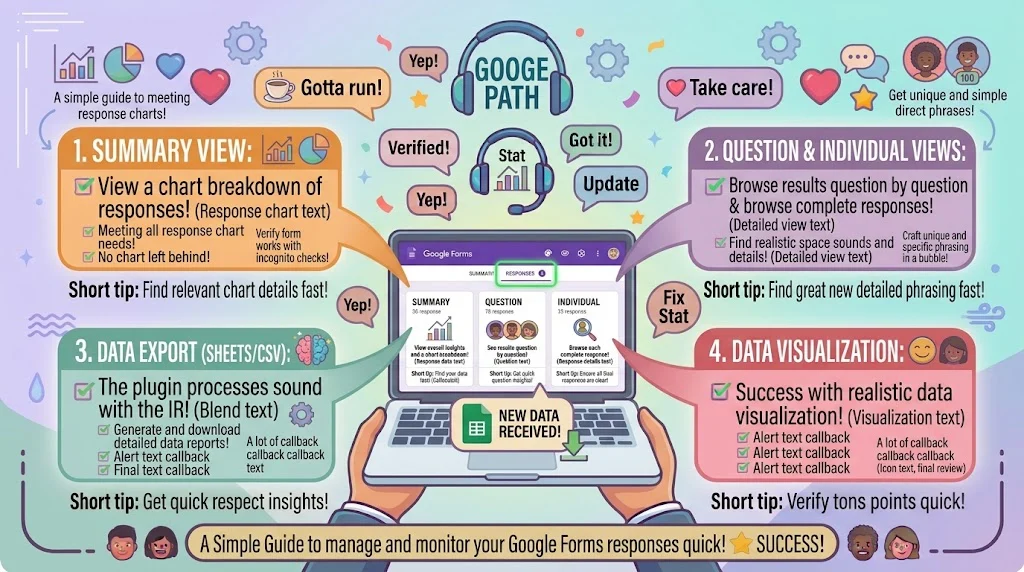
To find Google Form responses, open your form and click the Responses tab, then use Summary, Question, or Individual view. For full data, connect the form to Google Sheets or download responses as a CSV file.Check the Responses tab, Open the linked Google Sheet, Download a CSV, View individual entries, Check the form owner’s account.
How to find Google Form responses is one of those questions that feels simple until you are staring at a form with no idea where the data went. Maybe you built a survey for work, a signup sheet for an event, or a quiz for your class, and now you need the answers fast. The good news is Google Forms keeps everything in one place, and the path is shorter than you think.
Whether you are replying to a confused coworker, answering a client email, or walking a friend through it on a call, clear words save time. A good answer gets people to their data in seconds. A vague one leads to twenty follow-up messages. This guide gives you 180+ ready-to-use lines for every tone, from patient tutorials to quick fixes.
Funny And Relatable Responses
- “Your responses are not lost. They are just hiding in the Responses tab like a shy cat.”
- Example: Use when a friend panics about missing data.
- Meaning: It calms them with a light comparison.
- “Click the Responses tab. That is where Google keeps the receipts.”
- Example: Use in a casual team chat.
- Meaning: It explains the location with humor.
- “The data is right there. You just have to stop refreshing the wrong page.”
- Example: Use when someone looks in Settings.
- Meaning: It redirects them playfully.
- “Your form has been collecting answers this whole time. It is not ghosting you.”
- Example: Use when someone thinks submissions vanished.
- Meaning: It reassures with a joke.
- “Summary view is the trailer. Individual view is the full movie.”
- Example: Use when explaining the two views.
- Meaning: It makes the options memorable.
- “I clicked everything before I found the Responses tab too. Welcome to the club.”
- Example: Use when someone feels silly.
- Meaning: It builds relatability.
- “Connect it to Sheets and your responses get a permanent home.”
- Example: Use when someone worries about losing data.
- Meaning: It offers a simple fix with humor.
- “The CSV download is your emergency snack. Always there when you need it.”
- Example: Use when discussing exports.
- Meaning: It makes a technical step feel friendly.
- “Google Forms said the answers are in the building. Just not in Settings.”
- Example: Use in a meme-style reply.
- Meaning: It keeps the mood light.
- “You have more responses than you think. You just have not met the tab yet.”
- Example: Use when someone doubts their data.
- Meaning: It encourages a quick check.
- “The Responses tab is small but mighty. Like a data superhero.”
- Example: Use when introducing the feature.
- Meaning: It adds playful energy.
- “I found mine in two clicks. The third click was just for fun.”
- Example: Use when sharing your process.
- Meaning: It is honest and funny.
Brutal And Direct Responses
- “Open the form. Click Responses. That is it.”
- Example: Use when someone keeps overcomplicating it.
- Meaning: It cuts straight to the answer.
- “Stop looking in Settings. The data lives in the Responses tab.”
- Example: Use when someone is stuck in the wrong menu.
- Meaning: It corrects the mistake firmly.
- “If there are no responses, nobody submitted. Check the form link first.”
- Example: Use when someone blames Google.
- Meaning: It points to the real cause.
- “You cannot find responses on a form you do not own. Ask the owner for access.”
- Example: Use when someone uses a shared link.
- Meaning: It sets a hard rule.
- “Click the Responses tab before you click anything else.”
- Example: Use in a support reply.
- Meaning: It gives the fastest route.
- “Connect it to Sheets. Guessing is a waste of time.”
- Example: Use when someone needs reliable data.
- Meaning: It pushes the best practice.
- “Download the CSV. That is how you actually use the data.”
- Example: Use when someone wants to analyze entries.
- Meaning: It gives the practical step.
- “Your responses are not missing. You are just in the wrong account.”
- Example: Use when someone uses multiple Google logins.
- Meaning: It names the common error.
- “Do not share a form until you know where the responses go.”
- Example: Use in a pre-launch checklist.
- Meaning: It prevents lost data.
- “The Individual tab shows one response at a time. Use it when you need details.”
- Example: Use when someone wants full answers.
- Meaning: It explains a key view.
- “A closed form still keeps its responses. Check before you rebuild anything.”
- Example: Use when someone panics about a closed form.
- Meaning: It prevents wasted work.
- “Read the tab names. The answer is literally written there.”
- Example: Use when someone misses the obvious.
- Meaning: It is blunt but helpful.
Flirty And Playful Responses
- “Your responses are right there. Want me to walk you through it? I am very good at tabs.”
- Example: Use with a coworker you like.
- Meaning: It is playful and helpful.
- “Click Responses and call me if you get lost. I will be waiting.”
- Example: Use in a flirty text.
- Meaning: It is warm and inviting.
- “You plus the Responses tab equals a match made in Google.”
- Example: Use with a friend you are teasing.
- Meaning: It is cute and light.
- “I would find your responses for you, but you are more fun to teach.”
- Example: Use in a playful DM.
- Meaning: It is charming and helpful.
- “The data is in the Responses tab. Almost as easy as talking to you.”
- Example: Use with a crush.
- Meaning: It blends help with flirting.
- “Want a private tutorial? I know all the shortcuts.”
- Example: Use in a flirty chat.
- Meaning: It is cheeky and confident.
- “Your responses are waiting for you. Do not keep them hanging.”
- Example: Use in a light text.
Meaning: It is playful and clear.
- Example: Use in a light text.
- “Connect it to Sheets and I will show you my favorite filter tricks.”
- Example: Use with someone you like.
- Meaning: It invites collaboration.
- “I like a person who checks their Responses tab. Very attractive.”
- Example: Use in a teasing message.
- Meaning: It is funny and flirty.
- “You had me at Responses. Let us look together.”
- Example: Use in a casual DM.
- Meaning: It is sweet and playful.
- “The answers are in the tab. The real question is when are we getting coffee.”
- Example: Use in a bold text.
- Meaning: It mixes help with a hint.
- “I will be your Google Forms tour guide anytime.”
- Example: Use with a friend.
- Meaning: It is charming and helpful.
Polite And Professional Responses
- “To view responses, open your form and select the Responses tab at the top.”
- Example: Use in a work email.
- Meaning: It gives a clear and respectful answer.
- “You can find the data in the Responses tab, then choose Summary or Individual view.”
- Example: Use when explaining to a colleague.
- Meaning: It is accurate and professional.
- “For a full export, connect the form to Google Sheets or download the responses as a CSV.”
- Example: Use in a support reply.
- Meaning: It offers the next step.
- “Please make sure you are signed in with the account that owns the form.”
- Example: Use when access seems missing.
- Meaning: It addresses permissions politely.
- “Thank you for reaching out. The responses are stored in the form itself.”
- Example: Use in a client email.
- Meaning: It reassures and informs.
- “You can access responses at any time, even after the form is closed.”
- Example: Use when someone worries about timing.
- Meaning: It removes a common concern.
- “I would recommend linking a spreadsheet so the data is easier to review.”
- Example: Use in a workflow note.
- Meaning: It gives helpful advice.
- “If you cannot see the tab, please confirm you have edit access to the form.”
- Example: Use in a troubleshooting email.
- Meaning: It sets clear expectations.
- “The Responses tab shows a summary first, then detailed answers per question.”
- Example: Use when explaining the layout.
- Meaning: It describes the interface.
- “Feel free to download the CSV if you need to work in Excel or another tool.”
- Example: Use when offering options.
- Meaning: It is flexible and polite.
- “Let me know if you would like me to walk you through the export process.”
- Example: Use in a closing line.
- Meaning: It offers support.
- “I have shared the form with you as an editor so you can view the responses.”
- Example: Use when granting access.
- Meaning: It is clear and courteous.
Step-By-Step Instructional Responses
- “Open the form, click the Responses tab, and you will land on the Summary view.”
- Example: Use when someone needs the first step.
- Meaning: It starts them on the right path.
- “Click Question view to see results organized by each question.”
- Example: Use when someone wants per-question data.
- Meaning: It explains a useful view.
- “Click Individual view to scroll through one response at a time.”
- Example: Use when details matter more than totals.
- Meaning: It covers the third view.
- “Hit the green Sheets icon to send all responses to a spreadsheet.”
- Example: Use when someone needs long-term tracking.
- Meaning: It gives a concrete click.
- “Click the three-dot menu in Responses and select Download responses as CSV.”
- Example: Use when someone needs an offline copy.
- Meaning: It names the exact option.
- “In Sheets, each submission becomes a new row with a timestamp.”
- Example: Use when explaining the output.
- Meaning: It sets expectations for the data.
- “Use the Individual view link inside notification emails to jump straight to a response.”
- Example: Use when someone gets alerts.
- Meaning: It saves them clicks.
- “Turn on email notifications in the same menu so you never miss a submission.”
- Example: Use when giving a full setup.
- Meaning: It adds a useful habit.
- “If the tab is empty, submit a test entry and refresh the page.”
- Example: Use when someone sees no data.
- Meaning: It gives a quick check.
- “Check the form’s linked sheet first if you already connected one.”
- Example: Use when data may live elsewhere.
- Meaning: It points to the right source.
- “Use filters in Sheets to sort by date, name, or answer value.”
- Example: Use when the dataset gets large.
- Meaning: It adds an analysis tip.
- “Download a fresh CSV after new submissions so your file stays current.”
- Example: Use when sharing reports.
- Meaning: It keeps data accurate.
Creative And Clever Responses
- “The Responses tab is your form’s memory. Everything it heard lives there.”
- Example: Use when explaining to a visual thinker.
- Meaning: It uses a strong metaphor.
- “Summary view is the highlight reel. Individual view is the director’s cut.”
- Example: Use when comparing the views.
- Meaning: It is memorable and clear.
- “A linked spreadsheet is like giving your form a diary.”
- Example: Use when recommending Sheets.
- Meaning: It makes the tool feel friendly.
- “The CSV is your data’s passport. It can travel anywhere.”
- Example: Use when discussing exports.
- Meaning: It is clever and useful.
- “Think of the form as the mailbox and the Responses tab as the key.”
- Example: Use when teaching a beginner.
- Meaning: It uses a familiar image.
- “Each response is a tiny story. Individual view lets you read them one by one.”
- Example: Use when explaining detail view.
- Meaning: It is imaginative and accurate.
- “Your form has been taking notes this whole time. Time to read them.”
- Example: Use in a friendly nudge.
- Meaning: It is playful and clear.
- “Summary view does the math so you do not have to.”
- Example: Use when someone dreads counting.
- Meaning: It highlights the benefit.
- “Connect the sheet and you have a live dashboard, not just a form.”
- Example: Use when explaining Sheets.
- Meaning: It reframes the tool.
- “The Responses tab is the backstage pass to your form.”
- Example: Use in a tutorial intro.
- Meaning: It is fun and vivid.
- “Notifications are the doorbell. The Responses tab is the living room.”
- Example: Use when explaining both features.
- Meaning: It connects two ideas.
- “Your data is not magic. It is just one tab away.”
- Example: Use in a quick tip.
- Meaning: It is simple and clever.
Sarcastic And Witty Responses
- “Oh, the responses are in the Responses tab? Groundbreaking.”
- Example: Use with a friend who overthought it.
- Meaning: It is dry and funny.
- “You checked Settings five times. The tab has been there the whole time.”
- Example: Use when someone misses the obvious.
- Meaning: It teases gently.
- “Google hid it in the most obvious place possible. The tab called Responses.”
- Example: Use in a support thread.
- Meaning: It is witty and true.
- “Sure, keep refreshing. The data will not jump into your inbox on its own.”
- Example: Use when someone avoids setup.
- Meaning: It is dryly helpful.
- “You have been looking for ten minutes. The tab is at the top. Smiling at you.”
- Example: Use with a close colleague.
- Meaning: It is playful sarcasm.
- “No, the responses are not in your spam folder. They are in the form.”
- Example: Use when someone checks the wrong place.
- Meaning: It corrects with humor.
- “The form collected everything. It just did not send you a handwritten note.”
- Example: Use in a casual chat.
- Meaning: It is funny and clear.
- “Congratulations, you found the Settings menu. The responses are elsewhere.”
- Example: Use with a friend.
- Meaning: It is teasing and useful.
- “Yes, you have to click the tab. No, there is no secret password.”
- Example: Use in a quick reply.
- Meaning: It removes unnecessary fear.
- “The data has been there since day one. It is not a limited drop.”
- Example: Use in a meme-style text.
- Meaning: It uses trendy phrasing.
- “You mean the responses do not appear by manifesting? Shocking.”
- Example: Use with a playful friend.
- Meaning: It is witty and warm.
- “Good news. The tab you ignored for an hour has everything.”
- Example: Use in a friendly jab.
- Meaning: It is sharp and helpful.
Cute And Sweet Responses
- “Do not worry, your responses are safe. They are in the Responses tab.”
- Example: Use when someone feels anxious.
- Meaning: It is reassuring and kind.
- “You got this. Just click the tab and everything is there.”
- Example: Use when encouraging a beginner.
- Meaning: It is warm and supportive.
- “Your data is waiting for you. It is excited to be seen.”
- Example: Use in a playful note.
- Meaning: It is sweet and light.
- “Take your time. The responses are not going anywhere.”
- Example: Use when someone feels rushed.
- Meaning: It is patient and calming.
- “I am proud of you for building the form. Now let us find the answers.”
- Example: Use in a friendly message.
- Meaning: It celebrates progress.
- “Here is the secret: click Responses. That is the whole trick.”
- Example: Use with a beginner.
- Meaning: It is gentle and clear.
- “You are one click away from feeling very organized.”
- Example: Use in a supportive text.
- Meaning: It is encouraging.
- “Your form did a great job. Time to see what it collected.”
- Example: Use when wrapping a project.
- Meaning: It is warm and positive.
- “If you need help, I am here. No judgment, only tabs.”
- Example: Use in a friendly DM.
- Meaning: It is sweet and supportive.
- “The answers are in the tab. You are doing better than you think.”
- Example: Use when someone doubts themselves.
- Meaning: It builds confidence.
- “Small steps. Open the form, click the tab, smile.”
- Example: Use as a gentle guide.
- Meaning: It is cute and simple.
- “You found it. I knew you would.”
- Example: Use after someone succeeds.
- Meaning: It is warm and affirming.
Dramatic And Extra Responses
- “The responses were there the whole time. This is the plot twist.”
- Example: Use with a dramatic friend.
- Meaning: It is theatrical and funny.
- “You mean to tell me the data has been sitting in that tab for days?”
- Example: Use in a playful text.
- Meaning: It is over the top.
- “I would cross oceans for your responses, but they are just one click away.”
- Example: Use in a dramatic message.
- Meaning: It is funny and sweet.
- “The Responses tab is calling. It has been waiting for you.”
- Example: Use when someone delays checking.
- Meaning: It is dramatic and clear.
- “This is a cinematic moment. The data reveal.”
- Example: Use when opening a large dataset.
- Meaning: It adds excitement.
- “Your responses are alive and well. They send their regards.”
- Example: Use in a playful reply.
- Meaning: It is theatrical and warm.
- “I have never been so emotionally invested in a spreadsheet.”
- Example: Use when the data matters a lot.
- Meaning: It is exaggerated and funny.
- “The tab was there all along. Like a loyal sidekick.”
- Example: Use in a fun explanation.
- Meaning: It is dramatic and clever.
- “One click and suddenly you are the keeper of the data.”
- Example: Use when someone becomes the owner.
- Meaning: It is epic and playful.
- “The answers are in. The suspense is over.”
- Example: Use when checking results.
- Meaning: It is dramatic and satisfying.
- “You just unlocked a whole new level of organization.”
- Example: Use after connecting Sheets.
- Meaning: It is exciting and clear.
- “The Responses tab is the hero of this story.”
- Example: Use in a tutorial.
- Meaning: It is theatrical and memorable.
Chill And Casual Responses
- “Yeah, just click the Responses tab. Super easy.”
- Example: Use in a relaxed chat.
- Meaning: It is simple and friendly.
- “It is at the top of the form. Next to Questions.”
- Example: Use when pointing someone.
- Meaning: It is direct and calm.
- “You can also check the linked sheet if you set one up.”
- Example: Use in a quick message.
- Meaning: It offers a second option.
- “Download the CSV if you want to work offline. No big deal.”
- Example: Use when someone needs a file.
- Meaning: It is easy advice.
- “If nothing shows up, submit one test entry. That usually does it.”
- Example: Use in troubleshooting.
- Meaning: It is practical and low-key.
- “Everything stays there even after the form closes. You are fine.”
- Example: Use when someone worries.
- Meaning: It is reassuring.
- “No need to rebuild anything. The data is saved.”
- Example: Use when someone panics.
- Meaning: It is calm and clear.
- “Just sign in with the right account and you are good.”
- Example: Use when access seems missing.
- Meaning: It is simple advice.
- “Notifications are handy too. One toggle in the same menu.”
- Example: Use when suggesting a bonus.
- Meaning: It is helpful and relaxed.
- “You will get the hang of it after one try. It is that quick.”
- Example: Use when encouraging a beginner.
- Meaning: It is laid-back.
- “The Summary view is the fastest way to see totals.”
- Example: Use in a casual tip.
- Meaning: It is practical.
- “Honestly, the tab does all the work. You just have to click.”
- Example: Use when wrapping up.
- Meaning: It is simple and true.
Confident And Expert Responses
- “The Responses tab holds everything. Summary for totals, Individual for detail, Sheets for scale.”
- Example: Use when advising a team lead.
- Meaning: It shows real expertise.
- “Connect it to Sheets on day one. It saves you a mess later.”
- Example: Use in a process meeting.
- Meaning: It gives a strong recommendation.
- “Download the CSV before you share data with anyone outside your team.”
- Example: Use in a privacy review.
- Meaning: It is a smart practice.
- “Only the owner and editors can see responses. That is the access rule.”
- Example: Use when clarifying permissions.
- Meaning: It is accurate and firm.
- “Test with one submission before you share the link. Always.”
- Example: Use when advising a launch.
- Meaning: It prevents common errors.
- “If you need analysis, do it in Sheets, not in the form view.”
- Example: Use in a workflow chat.
- Meaning: It points to the right tool.
- “Response data stays even after you close the form. You can always export later.”
- Example: Use when someone asks about timing.
- Meaning: It removes a fear.
- “Use the three-dot menu for downloads and the green icon for Sheets. Two different jobs.”
- Example: Use when explaining options.
- Meaning: It separates two features.
- “A duplicate form starts fresh. Do not move data between copies by hand.”
- Example: Use when someone rebuilds.
- Meaning: It prevents mistakes.
- “Set up email alerts first, then connect Sheets. That is the clean order.”
- Example: Use in a setup guide.
- Meaning: It is a clear system.
- “If the tab looks empty, check the account and the form link. It is almost always one of those.”
- Example: Use in troubleshooting.
- Meaning: It narrows the cause fast.
- “Document where the responses live so nobody has to ask again.”
- Example: Use when handing off a project.
- Meaning: It builds good process.
Emotional And Empathetic Responses
- “I know it feels stressful when you cannot find the data. It is there, I promise.”
- Example: Use when someone is upset.
- Meaning: It calms with honesty.
- “Missing responses can feel like a disaster. Let us check the account first.”
- Example: Use when someone panics.
- Meaning: It offers a steady path.
- “You are not the first person to miss that tab. It is easy to overlook.”
- Example: Use when someone feels embarrassed.
- Meaning: It normalizes the mistake.
- “If you are worried about losing entries, connect a sheet. It gives peace of mind.”
- Example: Use when someone needs security.
- Meaning: It offers real comfort.
- “I understand the pressure of a deadline. The export takes two minutes.”
- Example: Use when someone is rushed.
- Meaning: It eases the anxiety.
- “It is okay to ask for help with this. It is not as obvious as it looks.”
- Example: Use when someone apologizes.
- Meaning: It is kind and validating.
- “You did the hard part already. The data is just waiting for you.”
- Example: Use when someone feels stuck.
- Meaning: It encourages and reassures.
- “If something still does not show up, we will figure it out together.”
- Example: Use in a supportive reply.
- Meaning: It builds trust.
- “Your work matters, and so does the data. Let us protect both.”
- Example: Use when someone is overwhelmed.
- Meaning: It is sincere and steady.
- “Take a breath. This is a click problem, not a crisis.”
- Example: Use when someone spirals.
- Meaning: It is calming and honest.
- “You are doing better than you think. The answers are closer than they feel.”
- Example: Use when confidence is low.
- Meaning: It offers encouragement.
- “I am here if you need a second pair of eyes. No pressure.”
- Example: Use with a stressed colleague.
- Meaning: It is supportive.
Sweet And Warm Responses
- “Your responses are safe and sound in the tab. Go take a look.”
- Example: Use when reassuring a friend.
- Meaning: It is warm and simple.
- “You built something people responded to. That is worth celebrating.”
- Example: Use when someone checks data.
- Meaning: It adds appreciation.
- “Here is the shortcut, just for you. Click Responses and smile.”
- Example: Use in a friendly note.
- Meaning: It is cute and helpful.
- “I hope your data is exactly what you needed. You worked hard for it.”
- Example: Use in a supportive message.
- Meaning: It is thoughtful.
- “If you ever get stuck, my DMs are open. Happy to help.”
- Example: Use with a friend.
- Meaning: It is kind and generous.
- “The Responses tab is waiting with your answers. It is a good day.”
- Example: Use in a cheerful text.
- Meaning: It is positive and bright.
- “You did great. Now go enjoy seeing those responses roll in.”
- Example: Use after a launch.
- Meaning: It celebrates effort.
- “This is the fun part. Seeing people actually fill out your form.”
- Example: Use when results come in.
- Meaning: It shares excitement.
- “No stress. It is just a tab, and you have got this.”
- Example: Use when someone hesitates.
- Meaning: It is gentle and confident.
- “I am glad you asked. This stuff is easier once someone shows you.”
- Example: Use in a warm reply.
- Meaning: It validates the question.
- “Your form did well. Now let us make the data easy to read.”
- Example: Use when suggesting Sheets.
- Meaning: It is helpful and kind.
- “You are officially organized. Welcome to the club.”
- Example: Use after they find data.
- Meaning: It is playful and affirming.
Clever And Insightful Responses
- “The form is the front door. The Responses tab is the room where everything happens.”
- Example: Use when explaining the layout.
- Meaning: It is a clear metaphor.
- “Summary view answers what. Individual view answers who.”
- Example: Use when comparing views.
- Meaning: It is sharp and useful.
- “Sheets is for analysis. The form view is for quick glances.”
- Example: Use when recommending tools.
- Meaning: It separates the purposes.
- “A CSV is your backup plan and your reporting plan.”
- Example: Use when discussing exports.
Meaning: It highlights double value.
- Example: Use when discussing exports.
- “Notifications tell you something happened. The tab tells you what.”
- Example: Use when explaining both.
- Meaning: It connects two features.
- “If the data is not in the form, check the account. Ownership is everything.”
- Example: Use in troubleshooting.
- Meaning: It names the core issue.
- “Test data is real data. One submission proves the whole chain works.”
- Example: Use when verifying setup.
- Meaning: It is practical wisdom.
- “The green Sheets icon is the bridge between collection and analysis.”
- Example: Use when explaining export.
- Meaning: It is clever and accurate.
- “Every response has a timestamp. That is your timeline of proof.”
- Example: Use when discussing records.
- Meaning: It adds insight.
- “You do not need to understand the backend. You just need the right tab.”
- Example: Use when someone feels overwhelmed.
- Meaning: It simplifies the task.
- “Closed forms still hold their answers. Never rebuild before you check.”
- Example: Use when someone panics.
- Meaning: It is smart advice.
- “Organize your sheet on day one and future you will say thanks.”
- Example: Use when setting up a project.
- Meaning: It is forward-thinking.
Beginner-Friendly Responses
- “No worries. The Responses tab is at the top of the form, next to Questions.”
- Example: Use when someone is brand new.
- Meaning: It gives a gentle pointer.
- “You do not need code or add-ons to see responses. It is built in.”
- Example: Use when someone expects complexity.
- Meaning: It removes fear.
- “Start with the Summary view. It is the easiest one to read.”
- Example: Use as a first recommendation.
- Meaning: It gives a simple start.
- “If you want a spreadsheet, click the green Sheets icon. It does the work for you.”
- Example: Use when introducing export.
- Meaning: It is clear and encouraging.
- “Try it with one test response. That is the best way to learn.”
- Example: Use when someone hesitates.
- Meaning: It creates a safe practice.
- “You only have to find the tab once. After that, it is muscle memory.”
- Example: Use in a reassuring note.
- Meaning: It builds confidence.
- “The three-dot menu has the download option. It is easy to miss.”
- Example: Use when explaining exports.
- Meaning: It points out a hidden step.
- “Do not compare yourself to people who have done this for years. You are learning.”
- Example: Use when someone feels slow.
- Meaning: It is patient and kind.
- “If the tab looks empty, submit one entry and refresh. That solves most cases.”
- Example: Use in troubleshooting.
- Meaning: It gives a simple fix.
- “Ask me anything. No question is too small.”
- Example: Use in a supportive message.
- Meaning: It encourages them.
- “You can always download a CSV later. Nothing is lost.”
- Example: Use when someone worries.
- Meaning: It removes pressure.
- “One click at a time. You are doing great.”
- Example: Use as a gentle guide.
- Meaning: It is warm and encouraging.
FAQs
How do I find my Google Form responses?
Open the form, click the Responses tab, and choose Summary, Question, or Individual view. You can also connect the form to Google Sheets for a full dataset.
Where do Google Form responses get saved?
They are stored inside the form itself. If you link a spreadsheet, each new submission also appears as a row in that Google Sheet.
Why can I not see the Responses tab?
You may not be signed in with the account that owns the form, or you may not have edit access. Ask the owner to share editor permissions.
Can I still see responses after closing a form?
Yes. Closing a form only stops new submissions. Existing responses stay available in the Responses tab and any linked sheet.
How do I download all responses at once?
Open the Responses tab, click the three-dot menu, and select Download responses as CSV. You can open the file in Excel or Google Sheets.
Do responses disappear if I delete the form?
Yes. Deleting a form can remove its responses. Always connect a sheet or download a CSV before deleting anything.
Conclusion
How to find Google Form responses is a small skill with a big payoff. Once you know where the Responses tab lives, you can check data in seconds, export it in minutes, and never lose an entry again. Connect a sheet, turn on notifications, and download a CSV backup for peace of mind.
Save this guide, share it with the teammate who keeps asking, and come back whenever a form feels mysterious. You are now the person who actually knows where the answers are. Use that power wisely.
