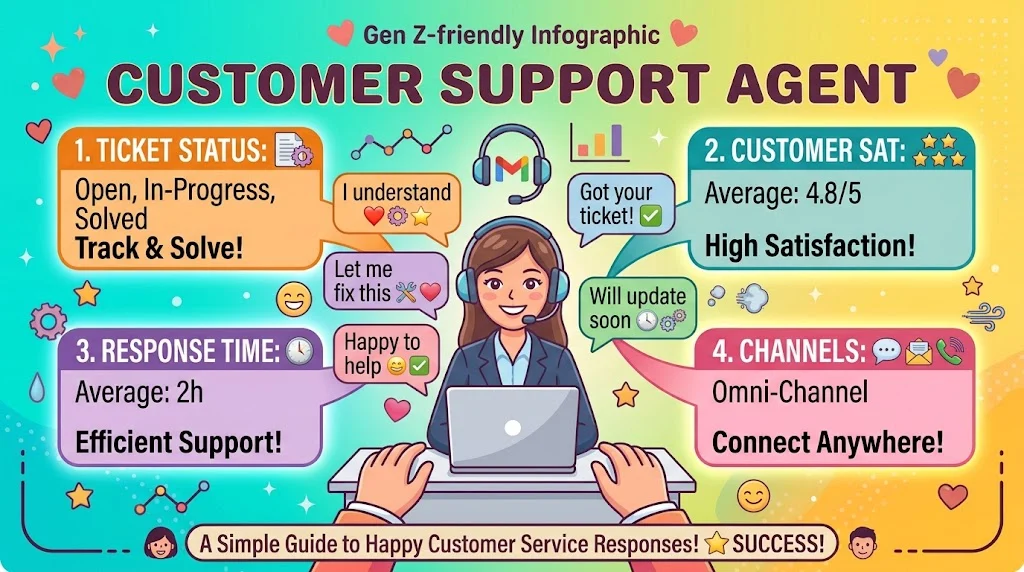
Great customer service responses start with empathy and end with action. Try “I completely understand your frustration,” “Let me fix this for you right now,” “Thank you for your patience,” “I would feel the same way,” or “Here is exactly what I will do next.”
You know that sinking feeling when a customer message lands in your inbox and you can almost hear the frustration through the screen? Maybe they waited three days for a reply, got the wrong order, or the app crashed at the worst moment. Customer service responses examples can honestly make or break the entire relationship, and one wrong sentence can turn a mild complaint into a full blown review disaster.
The right words calm people down, build trust, and sometimes turn a frustrated buyer into your biggest fan. The wrong ones? Well, we have all seen those viral screenshots. Great customer service responses examples show empathy, take ownership, and give clear next steps without sounding robotic or dismissive. Whether you are replying on chat, email, or social media, the tone you use matters more than you think.
This guide breaks down the best replies by situation and mood, so you always have the right words ready. Let’s get into it.
Funny Responses
- We dropped the ball, but we are picking it up and running with it now.
Example: Use when a small mistake happened but the fix is easy.
Meaning: Owns the error with a lighthearted tone that keeps things human. - Your patience deserves an award, and we are working on your order.
Example: Use when a customer has waited longer than expected.
Meaning: Acknowledges the wait with humor and shows action is happening. - Plot twist: your package took a scenic route. Let us get it back on track.
Example: Use when tracking shows a weird delivery path.
Meaning: Turns a confusing situation into a relatable moment. - We promise our app is not secretly testing your patience.
Example: Use when a customer reports a glitch.
Meaning: Keeps the mood light while you investigate. - Looks like our system had a Monday moment. We are on it.
Example: Use when a backend error causes a delay.
Meaning: Makes a tech issue feel human and temporary. - You just unlocked our apology level 100. Fix incoming.
Example: Use when a customer has had multiple issues.
Meaning: Shows you take it seriously while keeping it friendly. - If frustration had a loyalty card, you would have earned a free fix by now.
Example: Use when a repeat customer hits another snag.
Meaning: Validates their patience with a playful reward mindset. - Our bad. Consider this the comeback arc of your order.
Example: Use when something went wrong but is now resolved.
Meaning: Frames the fix as a positive turning point. - We are not crying, you are. Okay maybe we are. Fix is coming.
Example: Use when a customer shares a genuinely sad experience.
Meaning: Shows emotional investment without being unprofessional. - Your email just made our team go into superhero mode.
Example: Use when a customer reports an urgent issue.
Meaning: Signals fast action with a fun tone. - We checked twice, triple checked, and now we are just showing off.
Example: Use when confirming a fix is complete.
Meaning: Builds confidence with a playful flex. - Warning: our team is about to over deliver. Buckle up.
Example: Use when you are about to surprise a customer with a bonus fix.
Meaning: Sets up a positive surprise with humor.
Polite Responses
- Thank you for reaching out. I am here to help you with this.
Example: Use as an opening line for any support ticket.
Meaning: Sets a warm and professional tone immediately. - I completely understand your concern. Let me look into this for you.
Example: Use when a customer raises a valid complaint.
Meaning: Validates their feelings and shows action. - Thank you for your patience while we sort this out.
Example: Use when a resolution is taking longer than expected.
Meaning: Acknowledges the wait with gratitude. - I appreciate you bringing this to our attention.
Example: Use when a customer reports a bug or issue.
Meaning: Makes them feel heard and valued. - Please allow me to check this and get back to you shortly.
Example: Use when you need time to investigate.
Meaning: Buys time politely without leaving them hanging. - I am sorry for the inconvenience this has caused you.
Example: Use when a mistake has affected the customer.
Meaning: Takes responsibility with a formal apology. - Thank you for your understanding. We are working on it now.
Example: Use when a customer has been gracious about a delay.
Meaning: Shows appreciation and keeps them informed. - I would be happy to assist you with that.
Example: Use when a customer asks for help with a simple request.
Meaning: Friendly and proactive. - Please let me know if there is anything else I can do for you.
Example: Use when closing a support conversation.
Meaning: Leaves the door open for more help. - Thank you for choosing us. We value your business.
Example: Use when wrapping up a resolved issue.
Meaning: Reinforces loyalty and appreciation. - I will make sure this is resolved for you as quickly as possible.
Example: Use when a customer is waiting on a fix.
Meaning: Clear and reassuring. - Your feedback is important to us. Thank you for sharing it.
Example: Use when a customer offers suggestions or criticism.
Meaning: Shows you listen and care about improvement.
Professional Responses
- Thank you for contacting support. I will be assisting you today.
Example: Use as a standard opening for email or chat.
Meaning: Sets a clear and professional expectation. - I have escalated this to the relevant team for further review.
Example: Use when an issue needs specialized help.
Meaning: Shows you are taking action beyond your scope. - We are currently investigating this issue and will update you within 24 hours.
Example: Use when a bug or outage is being looked into.
Meaning: Sets a clear timeline and keeps them informed. - I apologize for the error. We will process a replacement right away.
Example: Use when a wrong item was shipped.
Meaning: Owns the mistake and offers a direct solution. - Please find the details of your resolution below.
Example: Use when confirming a fix via email.
Meaning: Clear and structured communication. - I have reviewed your account and can confirm the following.
Example: Use when sharing account specific information.
Meaning: Shows you did your homework. - Your request has been processed and you will receive confirmation shortly.
Example: Use after completing a refund or change.
Meaning: Clear status update. - We take these matters seriously and are looking into it immediately.
Example: Use when a customer raises a serious concern.
Meaning: Signals urgency and accountability. - I will follow up with you by end of day with an update.
Example: Use when you cannot resolve it right away.
Meaning: Sets a clear follow up expectation. - Please do not hesitate to reach out if you need further assistance.
Example: Use when closing a ticket.
Meaning: Professional and welcoming. - We appreciate your business and apologize for the inconvenience.
Example: Use when wrapping up an apology.
Meaning: Combines gratitude with accountability. - Thank you for your feedback. We will use it to improve our service.
Example: Use when responding to a review or survey.
Meaning: Shows growth mindset and respect.
Empathetic Responses
- I completely understand how frustrating that must be.
Example: Use when a customer shares a bad experience.
Meaning: Validates their emotions before offering a fix. - That sounds really annoying. I would be upset too.
Example: Use when a customer is clearly angry.
Meaning: Shows you relate to their feelings. - I am so sorry you had to deal with that.
Example: Use when a customer describes a poor experience.
Meaning: Genuine apology that feels human. - I can hear how much this has impacted you.
Example: Use when a customer shares a personal story.
Meaning: Shows deep listening and care. - You have every right to feel that way.
Example: Use when a customer is upset about a real issue.
Meaning: Validates their reaction without defensiveness. - I would feel the same if this happened to me.
Example: Use when a customer feels ignored or wronged.
Meaning: Builds connection through shared understanding. - Thank you for sharing this with me. I know it was not easy.
Example: Use when a customer opens up about a problem.
Meaning: Shows respect for their honesty. - I want to make sure you feel heard and taken care of.
Example: Use when a customer feels dismissed.
Meaning: Reassures them that their feelings matter. - I am here for you. Let us fix this together.
Example: Use when a customer feels alone in the problem.
Meaning: Creates a team mindset. - I am sorry this happened. You deserve better than that.
Example: Use when a customer had a bad experience.
Meaning: Holds your company accountable with warmth. - Your frustration makes total sense. Let me help.
Example: Use when a customer is at their limit.
Meaning: Calms the situation with understanding. - I would be frustrated too. Let us get this sorted.
Example: Use when a customer has hit a wall.
Meaning: Shows empathy and action in one line.
Apologetic Responses
- I am truly sorry for the mistake. We will make it right.
Example: Use when your company clearly messed up.
Meaning: Direct apology with a promise of action. - Please accept our sincere apologies for the inconvenience.
Example: Use in a formal email after a service failure.
Meaning: Professional and respectful apology. - I apologize for the delay in getting back to you.
Example: Use when you reply later than expected.
Meaning: Owns the slow response without excuses. - We are sorry this did not meet your expectations.
Example: Use when a product or service fell short.
Meaning: Acknowledges the gap without being defensive. - I am sorry you had this experience with us.
Example: Use when a customer shares a negative review.
Meaning: Personal and sincere apology. - That was our mistake, and we are fixing it now.
Example: Use when the error is clearly on your end.
Meaning: Takes full ownership. - I apologize for any confusion this may have caused.
Example: Use when communication was unclear.
Meaning: Polite and clarifying. - We are sorry for the trouble and appreciate your patience.
Example: Use when a customer has been waiting.
Meaning: Combines apology with gratitude. - I am sorry this happened. Here is what we are doing to fix it.
Example: Use when you can offer an immediate solution.
Meaning: Pairs apology with action. - Please forgive the error. We have corrected it on our end.
Example: Use when a system mistake is already fixed.
Meaning: Clear and reassuring. - I am sorry for the frustration this caused. You deserve better.
Example: Use when a customer is upset and needs validation.
Meaning: Warm and accountable. - We apologize for the inconvenience and are working to prevent it from happening again.
Example: Use when a recurring issue is being addressed.
Meaning: Shows long term thinking and care.
Confident Responses
- I can fix this for you right now.
Example: Use when you have the solution ready.
Meaning: Builds trust with decisive action. - Consider it done. You will receive confirmation shortly.
Example: Use when processing a refund or change.
Meaning: Shows competence and speed. - I have already escalated this to our priority team.
Example: Use when a customer needs urgent help.
Meaning: Signals you are on top of it. - You are in good hands. I will personally make sure this is resolved.
Example: Use when a customer feels worried.
Meaning: Reassures them with ownership. - I have reviewed your case and here is exactly what will happen next.
Example: Use when explaining a resolution plan.
Meaning: Clear and confident communication. - We will have this sorted for you within the hour.
Example: Use when a quick fix is possible.
Meaning: Sets a clear expectation and delivers. - I have taken care of it. No further action needed from you.
Example: Use when the issue is fully resolved.
Meaning: Removes burden from the customer. - Your issue is now our top priority.
Example: Use when a customer feels ignored.
Meaning: Shows urgency and importance. - I can confirm this has been resolved on our end.
Example: Use when a fix is complete.
Meaning: Clear and reassuring. - We have applied a solution that will prevent this from happening again.
Example: Use when addressing a recurring problem.
Meaning: Shows long term thinking. - I will handle this personally and update you every step of the way.
Example: Use when a customer needs extra reassurance.
Meaning: Builds trust through commitment. - You can count on us to make this right.
Example: Use when a customer is losing faith.
Meaning: Restores confidence with a strong promise.
Creative Responses
- Your order took a detour, but we are steering it back to you.
Example: Use when tracking shows an unusual delay.
Meaning: Turns a logistics issue into a relatable story. - Think of this as a plot twist in your customer journey. We are writing the happy ending.
Example: Use when a customer had an unexpected issue.
Meaning: Frames the fix as a positive narrative. - We are rolling out the red carpet for your resolution.
Example: Use when a customer has had a rough experience.
Meaning: Shows you are going above and beyond. - Your feedback just became our next upgrade. Thank you.
Example: Use when a customer suggests an improvement.
Meaning: Makes them feel like a valued partner. - We are treating your issue like a VIP ticket. Fast track activated.
Example: Use when escalating a problem.
Meaning: Shows priority with creative flair. - Consider this a behind the scenes look at us fixing things for you.
Example: Use when explaining a process.
Meaning: Makes the resolution feel transparent and personal. - Your patience just earned you a gold star in our book.
Example: Use when a customer has been waiting calmly.
Meaning: Rewards good behavior with warmth. - We are doing a little behind the scenes magic to get this sorted.
Example: Use when a fix requires internal coordination.
Meaning: Makes the process feel special. - Your issue is now in the hands of our best problem solvers.
Example: Use when escalating to a specialist.
Meaning: Builds confidence with a creative touch. - We are flipping the script on this problem. Solution incoming.
Example: Use when you have found an unexpected fix.
Meaning: Shows creativity and action. - Think of us as your personal fix it squad. We are on the case.
Example: Use when a customer feels overwhelmed.
Meaning: Creates a team feeling. - Your resolution is being crafted with care, like a good playlist.
Example: Use when a fix takes a little time.
Meaning: Makes the wait feel intentional.
Sarcastic Responses
- Oh, you wanted your order on time? Bold. We are on it.
Example: Use only with a customer who is joking or lighthearted.
Meaning: Playful acknowledgment of a delay, best with the right tone. - Well, that is one way for our system to get your attention.
Example: Use when a minor glitch happens.
Meaning: Light sarcasm that keeps things friendly. - Our app clearly wanted a break. We are giving it a pep talk.
Example: Use when a small tech issue occurs.
Meaning: Humanizes the problem with humor. - Apparently our system thought today was a good day for surprises.
Example: Use when an unexpected error appears.
Meaning: Playful spin on a frustrating moment. - We checked. The issue is not you, it is definitely us.
Example: Use when a customer blames themselves.
Meaning: Takes the blame with a funny twist. - Looks like our team skipped coffee today. We are fixing that and your issue.
Example: Use when a small delay happens.
Meaning: Keeps the mood light while showing action. - You just caught us mid upgrade. Lucky you.
Example: Use when a service is temporarily unavailable.
Meaning: Turns a downtime into a shared joke. - Well, that escalated quickly. And so did our fix.
Example: Use when a customer reports a sudden problem.
Meaning: Matches their energy with a quick response. - Our system clearly did not get the memo. We are sending it now.
Example: Use when a process fails.
Meaning: Playful and accountable. - Turns out our auto correct has a sense of humor. Fixing it now.
Example: Use when a communication error happens.
Meaning: Light and self aware. - We are not saying our system is dramatic, but it is definitely having a moment.
Example: Use when a minor outage happens.
Meaning: Relatable humor for tech issues. - Your issue just became our team’s group project. We are on it.
Example: Use when multiple people are needed to fix something.
Meaning: Shows teamwork with a playful tone.
Chill And Casual Responses
- No worries. I have got this handled for you.
Example: Use when a customer reports a simple issue.
Meaning: Calm and reassuring. - All good. Let me sort this out real quick.
Example: Use when the fix is easy.
Meaning: Relaxed and efficient. - I am on it. You will hear from me soon.
Example: Use when you need to investigate.
Meaning: Simple and clear. - That is an easy fix. Consider it done.
Example: Use when processing a quick change.
Meaning: Confident and casual. - Thanks for flagging that. I will take a look.
Example: Use when a customer reports a minor issue.
Meaning: Friendly and action oriented. - Got it. I will get this sorted for you.
Example: Use as a quick acknowledgment.
Meaning: Shows you are on the case. - No problem at all. Happy to help.
Example: Use when a customer apologizes for bothering you.
Meaning: Warm and easygoing. - I hear you. Let us get this fixed.
Example: Use when a customer is frustrated but calm.
Meaning: Shows understanding and action. - Consider it handled. Anything else I can do?
Example: Use when wrapping up a simple fix.
Meaning: Efficient and friendly. - I will take care of that for you right now.
Example: Use when the solution is immediate.
Meaning: Reassuring and proactive. - That makes sense. I will look into it.
Example: Use when a customer explains an issue clearly.
Meaning: Validates their point and shows action. - Easy peasy. I will get that sorted.
Example: Use when the fix is straightforward.
Meaning: Light and confident.
Sweet Responses
- Thank you for being so patient with us. It means a lot.
Example: Use when a customer has waited calmly.
Meaning: Genuine gratitude that builds loyalty. - We really appreciate customers like you.
Example: Use when a customer is kind during a difficult situation.
Meaning: Makes them feel valued and special. - I am so glad you reached out. We are here for you.
Example: Use when a customer asks for help.
Meaning: Warm and welcoming. - You have been so understanding. Thank you for that.
Example: Use when a customer handles a delay gracefully.
Meaning: Acknowledges their kindness. - We are lucky to have you as a customer.
Example: Use when wrapping up a positive interaction.
Meaning: Builds loyalty and warmth. - I hope we can make this right for you. You deserve it.
Example: Use when a customer had a bad experience.
Meaning: Shows care and accountability. - Thank you for giving us the chance to fix this.
Example: Use when a customer could have left but stayed.
Meaning: Appreciates their trust. - Your kind words mean the world to our team.
Example: Use when a customer leaves a positive review.
Meaning: Shows genuine appreciation. - We are so happy you are part of our community.
Example: Use when welcoming a new customer.
Meaning: Warm and inclusive. - Thank you for trusting us with this. We will not let you down.
Example: Use when a customer shares a concern.
Meaning: Builds trust and commitment. - I wish more customers were like you.
Example: Use when a customer is especially kind.
Meaning: Personal and heartfelt. - We are here for you anytime. Do not hesitate to reach out.
Example: Use when closing a support chat.
Meaning: Warm and available.
Clever Responses
- Your issue just met its match. We are on it.
Example: Use when a customer reports a problem.
Meaning: Confident and creative. - We have a saying here: every problem has a plot twist. Yours is a happy one.
Example: Use when turning a situation around.
Meaning: Frames the fix as a positive story. - You brought the problem. We brought the solution. Let us team up.
Example: Use when working through an issue together.
Meaning: Creates a collaborative feel. - Consider this the before and after moment of your customer journey.
Example: Use when a resolution is complete.
Meaning: Makes the fix feel significant. - We are basically detectives for your order. Case closed soon.
Example: Use when tracking a missing package.
Meaning: Fun and reassuring. - Your feedback just went straight to our improvement playbook.
Example: Use when a customer suggests a change.
Meaning: Shows their voice matters. - We are turning your frown upside down. One fix at a time.
Example: Use when a customer is upset.
Meaning: Playful and warm. - Think of us as your problem solving sidekicks.
Example: Use when a customer feels stuck.
Meaning: Creates a team mindset. - Your issue is now our favorite puzzle to solve.
Example: Use when handling a complex problem.
Meaning: Makes them feel important. - We are rolling out the solution red carpet for you.
Example: Use when going above and beyond.
Meaning: Shows priority with flair. - Your patience just unlocked our express lane.
Example: Use when a customer has been waiting.
Meaning: Rewards their patience creatively. - We are writing the happy ending to your support story right now.
Example: Use when resolving an issue.
Meaning: Creative and reassuring.
Follow-Up Responses
- Just checking in to make sure everything is working for you.
Example: Use a day after resolving an issue.
Meaning: Shows care beyond the fix. - I wanted to follow up and see if you need anything else.
Example: Use after closing a ticket.
Meaning: Friendly and proactive. - Has your issue been resolved to your satisfaction?
Example: Use when confirming a fix.
Meaning: Ensures quality and builds trust. - I am circling back to make sure you are all set.
Example: Use when following up on a request.
Meaning: Shows ownership and attention. - We have not heard back and wanted to make sure you are good.
Example: Use when a customer goes quiet after a fix.
Meaning: Shows genuine concern. - Just a quick note to confirm your refund has been processed.
Example: Use when closing a financial issue.
Meaning: Clear and transparent. - I wanted to personally update you on the progress.
Example: Use during a longer resolution.
Meaning: Keeps the customer in the loop. - Thank you for your patience. Here is the latest update.
Example: Use when a fix is taking time.
Meaning: Respectful and informative. - We have applied the fix. Please let us know if it works for you.
Example: Use after a technical resolution.
Meaning: Confirms action and invites feedback. - I am here if you need anything else at all.
Example: Use when closing a positive interaction.
Meaning: Warm and available. - Your feedback helped us improve. Thank you again.
Example: Use after implementing a suggestion.
Meaning: Shows gratitude and growth. - We hope to see you again soon. Thanks for your trust.
Example: Use when wrapping up a support conversation.
Meaning: Builds loyalty and warmth.
De-Escalation Responses
- I hear you, and I want to make this right.
Example: Use when a customer is angry.
Meaning: Calms the situation by validating them. - You are right to be upset. Let me fix this for you.
Example: Use when a customer has a valid complaint.
Meaning: Owns the issue without defensiveness. - I am so sorry this happened. I am here to help.
Example: Use when a customer is at their limit.
Meaning: Shows empathy and action. - Let us take this one step at a time. I am with you.
Example: Use when a customer feels overwhelmed.
Meaning: Slows things down and builds trust. - I completely understand why you are frustrated.
Example: Use when a customer vents.
Meaning: Validates their feelings. - I want to make sure we resolve this for you today.
Example: Use when a customer is losing patience.
Meaning: Signals urgency and care. - You have my full attention. Tell me what happened.
Example: Use when a customer feels ignored.
Meaning: Shows you are listening. - I am sorry for the runaround. I will take it from here.
Example: Use when a customer has been transferred multiple times.
Meaning: Takes ownership and builds trust. - Let me personally make sure this gets resolved.
Example: Use when a customer has lost faith.
Meaning: Shows accountability. - I understand this is not the experience you expected.
Example: Use when a customer is disappointed.
Meaning: Validates their expectations. - We are going to fix this together. I promise.
Example: Use when a customer is very upset.
Meaning: Builds trust with commitment. - I am here until this is resolved. You are not alone.
Example: Use when a customer feels abandoned.
Meaning: Reassures them with presence.
FAQs
What are customer service responses examples?
They are ready to use reply templates that support agents use to handle common customer situations. They help with tone, speed, and consistency across chat, email, and social media.
Can I use these responses for flirty situations?
No, these are professional replies. For flirty or personal texts, use different tone guides. Customer service replies should stay warm but professional.
Are these suitable for formal or corporate emails?
Many are. Stick to the polite, professional, and apologetic sections for formal settings. Avoid funny or sarcastic lines unless you know the customer well.
What if I do not actually mean the apology?
Still say it, but keep it simple. “I am sorry for the inconvenience” works even when you are just following protocol. Customers want acknowledgment, not emotion.
Is humor okay in customer service responses?
Only when the situation is light and the customer is open to it. Never use humor when someone is angry, grieving, or dealing with a serious issue.
Conclusion
Customer service responses examples are not just about sounding nice. They are about making people feel heard, respected, and taken care of. The right words can calm an angry customer, build loyalty, and turn a bad experience into a great one.
Whether you are handling a refund, an apology, or a simple follow up, the tone you choose shapes the entire conversation. Mix empathy with action, keep it human, and do not be afraid to show personality when the moment allows.
