NPS responses are the scores and comments customers leave on your survey. Try “Thanks for the honest feedback,” “We are on it,” “Glad you loved it,” “Tell us more,” or “Let us make this right.
You open your dashboard and see a big fat 6 sitting there with a comment that stings a little. Ouch. Every product team knows that moment, because NPS responses are the unfiltered truth about how customers actually feel. They are not just numbers on a chart, they are real people telling you what works and what needs work.
Handling them well matters more than you think. A thoughtful reply to a promoter can turn a fan into an advocate, and a smart reply to a detractor can save an account you were about to lose. The wrong reply, or silence, makes people feel ignored and they quietly disappear.
So whether you are a founder, a support lead, or a marketer building a follow up flow, this guide gives you ready to use lines for every score and every mood. Let us get into it.
Funny Responses
- A 10? You just made our whole team’s week.
Example: Use when a promoter leaves a glowing score with a sweet comment.
Meaning: Celebrates the win with genuine, playful energy. - We are framing this feedback and putting it on the wall.
Example: Use when someone writes an especially kind note.
Meaning: Shows the praise actually landed and matters. - A 6 with a 200 word essay. You care, and we respect it.
Example: Use when a detractor writes detailed criticism.
Meaning: Acknowledges effort with light humor. - Honestly, we would give you a 10 too.
Example: Use when a loyal customer says they love the product.
Meaning: Flips the compliment back in a fun way. - Your feedback arrived faster than our shipping. Impressive.
Example: Use when a response comes in immediately after purchase.
Meaning: Keeps the tone warm and self aware. - We just read this out loud in a meeting and everyone cheered.
Example: Use when a promoter leaves a standout comment.
Meaning: Makes them feel like their voice was heard by real people. - Noted, and also we are slightly blushing.
Example: Use when someone compliments the support team.
Meaning: Playful gratitude that feels human. - You gave us a 9. We will spend the whole week wondering about that one point.
Example: Use when a passive customer is almost happy.
Meaning: Shows you care about the details in a funny way. - This comment has more personality than our last three newsletters.
Example: Use when someone writes something witty.
Meaning: Rewards their effort with a laugh. - We are printing this and taping it to the coffee machine.
Example: Use when a promoter shares a success story.
Meaning: Makes recognition feel real and fun. - Our survey got roasted and honestly we deserved it.
Example: Use when multiple people complain about the survey itself.
Meaning: Self aware humor that builds goodwill. - You replied in two minutes. Are you okay? Do you need a snack?
Example: Use when a response lands almost instantly.
Meaning: Friendly banter that feels like a real conversation.
Polite Responses
- Thank you so much for taking the time to share this.
Example: Use as a default opener for any NPS response.
Meaning: Sets a warm, appreciative tone immediately. - We really appreciate your honest feedback.
Example: Use when someone leaves criticism.
Meaning: Makes them feel safe for being direct. - Thanks for the kind words. It means a lot to our team.
Example: Use when a promoter leaves a compliment.
Meaning: Shows gratitude without sounding scripted. - We have noted your suggestion and passed it along.
Example: Use when someone asks for a feature.
Meaning: Confirms the idea reached the right people. - I am sorry your experience was not what you expected.
Example: Use when a detractor is clearly frustrated.
Meaning: Validates their feelings before solving anything. - Thank you for flagging this. We are looking into it.
Example: Use when someone reports a bug.
Meaning: Signals action without overpromising. - We would love to hear a little more if you have a minute.
Example: Use when feedback is vague or short.
Meaning: Opens the door for details politely. - Thanks for being with us for so long.
Example: Use when a loyal customer responds.
Meaning: Acknowledges their loyalty specifically. - Please let us know if there is anything else we can do.
Example: Use when closing a response.
Meaning: Leaves the door open without pressure. - We are grateful you shared this with us directly.
Example: Use when someone could have complained publicly instead.
Meaning: Rewards them for giving you a chance. - Thanks for the feedback. We will keep working on it.
Example: Use for passive scores with mild notes.
Meaning: Honest and humble. - I hope we get the chance to serve you again.
Example: Use when an unhappy customer is leaving.
Meaning: Graceful closing that leaves a good impression.
Professional Responses
- Thank you for your feedback. Your input has been logged and shared with the product team.
Example: Use for any NPS response in a formal B2B setting.
Meaning: Clear, accountable, and process driven. - We take this seriously and have escalated it to the relevant team.
Example: Use when a detractor reports a service failure.
Meaning: Signals urgency and ownership. - Your score helps us measure performance and improve our service.
Example: Use when explaining the purpose of the survey.
Meaning: Builds trust by being transparent. - I would like to schedule a brief call to understand this better.
Example: Use when the issue needs a real conversation.
Meaning: Moves feedback into resolution. - We have reviewed your comments and identified next steps.
Example: Use for follow up on a detailed detractor note.
Meaning: Shows you did more than read it. - Thank you for highlighting this. Our team is actively working on a fix.
Example: Use when a known issue is in progress.
Meaning: Manages expectations honestly. - Your feedback has been added to our roadmap discussion.
Example: Use when a feature request is credible.
Meaning: Confirms the idea is being considered seriously. - We appreciate your patience while we resolve this.
Example: Use when a fix is still in progress.
Meaning: Courteous and reassuring. - Please find a summary of the actions we have taken below.
Example: Use in a formal recovery email.
Meaning: Demonstrates accountability with evidence. - We would value your input on a follow up survey.
Example: Use when building a long term feedback loop.
Meaning: Invites continued participation. - Thank you for your continued partnership.
Example: Use with long term B2B accounts.
Meaning: Reinforces the relationship beyond the score. - Rest assured, your feedback will remain confidential.
Example: Use when someone shares sensitive concerns.
Meaning: Protects trust and encourages honesty.
Creative Responses
- You just gave us a 10 and a roadmap idea in one comment. Multitasking legend.
Example: Use when someone praises you and suggests a feature.
Meaning: Celebrates their input in a memorable way. - This feedback is going straight into our monthly highlight reel.
Example: Use when a promoter leaves an emotional story.
Meaning: Makes their words feel important. - Plot twist: the customer just wrote our best marketing copy.
Example: Use when someone describes your product beautifully.
Meaning: Fun acknowledgment that their words are gold. - Your comment is basically a mini case study. Thank you.
Example: Use when a promoter explains specific results.
Meaning: Shows you see the value in their story. - We are calling this feedback the plot of our next team meeting.
Example: Use when a detractor raises a serious issue.
Meaning: Signals it will actually be discussed. - You unlocked a new level of customer insight.
Example: Use when someone spots a pattern you missed.
Meaning: Rewards sharp observation. - Consider this reply a virtual fist bump.
Example: Use when a promoter is enthusiastic.
Meaning: Matches their energy with warmth. - Your feedback just earned a spot in our improvement backlog hall of fame.
Example: Use when a suggestion is genuinely useful.
Meaning: Makes the process feel less corporate. - We are putting your words on a sticky note and never taking it down.
Example: Use when a comment is short but powerful.
Meaning: Signals lasting impact. - This comment is the reason feedback loops exist.
Example: Use when someone gives detailed, constructive notes.
Meaning: Praises their contribution to improvement. - You just turned a survey into a conversation. Respect.
Example: Use when a customer writes conversationally.
Meaning: Keeps the tone human. - Your idea is now in the group chat, and the group chat is excited.
Example: Use when a suggestion sparks internal buzz.
Meaning: Shows momentum in a fun way.
Sarcastic Responses
- A 2 with no comment. Bold strategy.
Example: Use internally when reviewing anonymous low scores.
Meaning: Light humor for a frustrating pattern. - Oh, you rated us a 7 and then wrote a novel. Make it make sense.
Example: Use for passive scores with heavy criticism.
Meaning: Playful frustration, best kept internal. - Great, another “it would be better if it were free” suggestion.
Example: Use in team banter about repeat pricing complaints.
Meaning: Relatable venting for product teams. - Thank you for the 10. We will try not to let it go to our heads.
Example: Use when praise gets a little too flattering.
Meaning: Humble brag humor that stays charming. - We asked how likely you were to recommend us. You said “maybe.” Noted.
Example: Use internally for passive scores.
Meaning: Highlights the ambiguity with dry wit. - This is the third “make it like your competitor” note this week. Cool.
Example: Use in internal review meetings.
Meaning: Releases tension while flagging a pattern. - You said you love us but gave us a 6. We are confused but flattered.
Example: Use when comments and scores contradict.
Meaning: Points out the mismatch with humor. - Nothing says love like a one star review in the NPS box.
Example: Use internally after a harsh response.
Meaning: Keeps the team laughing through hard feedback. - We will add “faster than instant” to the roadmap. Sure.
Example: Use for impossible requests.
Meaning: Playful acknowledgment of unrealistic asks. - Thanks for the feedback. Our product manager just sighed very loudly.
Example: Use in internal team chats.
Meaning: Humanizes the review process. - You had us in the first half with that 9, then the comment hit.
Example: Use when a passive score comes with sharp notes.
Meaning: Funny way to note mixed signals. - Somewhere between 0 and 10, you chose chaos. We respect the honesty.
Example: Use internally for wild comments.
Meaning: Keeps morale light.
Cute Responses
- This made us smile. Thank you for being so kind.
Example: Use when a promoter leaves a sweet note.
Meaning: Simple warmth that feels genuine. - You are officially our favorite customer of the day.
Example: Use when someone sends a heartfelt comment.
Meaning: Makes them feel special without being over the top. - Aw, thank you. You just made our support team blush.
Example: Use when someone praises your service.
Meaning: Playful gratitude. - We are so glad you are here.
Example: Use for new customers who leave high scores.
Meaning: Welcoming and warm. - Hearing this honestly made our morning.
Example: Use when feedback comes in early in the day.
Meaning: Shows real emotional impact. - You are the reason we keep improving.
Example: Use when someone gives thoughtful suggestions.
Meaning: Turns feedback into appreciation. - Thank you for trusting us with this.
Example: Use when a detractor shares personal frustration.
Meaning: Gentle and respectful. - We hope we can keep making you smile.
Example: Use when closing a response to a promoter.
Meaning: Sweet and forward looking. - This tiny comment just made a big difference.
Example: Use when someone leaves a short positive note.
Meaning: Validates even brief feedback. - You were so thoughtful with this. Thank you.
Example: Use when someone writes detailed helpful notes.
Meaning: Recognizes their effort. - We are sending you a virtual high five.
Example: Use when a customer is especially enthusiastic.
Meaning: Playful and warm. - Thanks for cheering us on. We needed it today.
Example: Use on a rough day when praise arrives.
Meaning: Human and honest.
Dramatic Responses
- A zero. I need a minute to process this.
Example: Use in internal team chats after a harsh score.
Meaning: Theatrical reaction that keeps morale light. - The customer said the shipping was fine but the experience was ruined. We are spiraling.
Example: Use when comments contradict the score.
Meaning: Dramatic but relatable. - A 10 and a full paragraph. Best day ever.
Example: Use when a promoter goes above and beyond.
Meaning: Exaggerated celebration. - This detractor comment just changed the entire roadmap meeting.
Example: Use when feedback shifts priorities.
Meaning: Shows real impact with flair. - We just got ratio’d by a single survey response.
Example: Use internally after a blunt comment.
Meaning: Internet slang for dramatic effect. - The audacity of this feedback. The accuracy of this feedback.
Example: Use when criticism is harsh but fair.
Meaning: Dramatic honesty. - One 9 and our entire quarter is suddenly in question.
Example: Use in leadership chats about score drops.
Meaning: Exaggerates urgency in a funny way. - I am reading this comment for the fifth time and it keeps getting better.
Example: Use when a promoter writes something delightful.
Meaning: Theatrical appreciation. - We have been emotionally compromised by a survey.
Example: Use in team banter after strong feedback.
Meaning: Dramatic and self aware. - The silence of a score with no comment is deafening.
Example: Use when customers leave numbers only.
Meaning: Points out a real gap with humor. - This feedback has entered the group chat and started a debate.
Example: Use when a suggestion splits the team.
Meaning: Shows engagement in a fun way. - Everything is fine. The NPS is 22 and everything is fine.
Example: Use internally during a tough quarter.
Meaning: Meme style coping humor.
Chill And Casual Responses
- Thanks for the feedback. Appreciate you.
Example: Use for quick replies to brief comments.
Meaning: Friendly and low effort but still warm. - Got it, thanks for letting us know.
Example: Use when feedback is neutral.
Meaning: Simple acknowledgment. - Appreciate the kind words. Glad it is working well.
Example: Use for promoter scores with short comments.
Meaning: Relaxed gratitude. - Fair point. We will look into it.
Example: Use when a suggestion is reasonable.
Meaning: Calm and open. - Thanks for taking the survey. Means a lot.
Example: Use as a short default response.
Meaning: Easy and genuine. - Good to know. We are on it.
Example: Use for bug reports.
Meaning: Confident and casual. - Appreciate the honesty. Always helpful.
Example: Use for blunt feedback.
Meaning: Non defensive and relaxed. - No worries at all. Thanks for the heads up.
Example: Use when someone apologizes in their comment.
Meaning: Reassuring and easy. - Thanks for the note. We will keep it in mind.
Example: Use for feature requests.
Meaning: Neutral but respectful. - Glad you are enjoying it. Thanks for telling us.
Example: Use for casual promoters.
Meaning: Warm without being formal. - All good. We are working on it.
Example: Use for known issues.
Meaning: Honest and low key. - Appreciate you sticking with us.
Example: Use for long term customers.
Meaning: Loyalty acknowledgment with ease.
Confident Responses
- Thank you. We know exactly what to do with this feedback.
Example: Use when the issue is clear and actionable.
Meaning: Shows ownership and direction. - This is a fix we can ship quickly. Leave it with us.
Example: Use when a detractor reports a simple bug.
Meaning: Reassures with competence. - Your feedback confirms what our data already suggested.
Example: Use when a pattern is validated.
Meaning: Demonstrates you are paying attention. - We have already started working on the improvement you mentioned.
Example: Use when a suggestion was already planned.
Meaning: Builds trust with momentum. - Consider this noted and prioritized.
Example: Use for strong feature requests.
Meaning: Signals real action. - We will make this right, and we will follow up personally.
Example: Use for a high value unhappy customer.
Meaning: Takes full ownership. - You flagged a real gap and we are on it.
Example: Use when feedback uncovers a product hole.
Meaning: Validates their insight. - Our team thrives on this kind of honesty. Keep it coming.
Example: Use for constructive detractors.
Meaning: Invites ongoing dialogue. - We will update you as soon as this is resolved.
Example: Use in active support cases.
Meaning: Clear and accountable. - A 10 from you means a lot because you have seen our whole journey.
Example: Use for long term promoters.
Meaning: Personal and grounded. - We are proud of this score and aware of what still needs work.
Example: Use in external reporting.
Meaning: Balanced and self assured. - We hear you, and we are not ignoring it.
Example: Use for complaints you cannot fix immediately.
Meaning: Honest reassurance.
Emotional Responses
- This genuinely means a lot to us. Thank you.
Example: Use when a promoter shares a personal story.
Meaning: Shows real feeling behind the reply. - I am sorry we let you down. That is not the experience we want.
Example: Use when a detractor describes disappointment.
Meaning: Sincere accountability. - Reading this honestly hit us hard.
Example: Use when feedback reveals a real failure.
Meaning: Human and vulnerable. - We are so glad this helped. That is why we do this.
Example: Use when a customer shares a positive outcome.
Meaning: Purpose driven warmth. - Thank you for giving us a chance to fix this.
Example: Use when a detractor agrees to stay in contact.
Meaning: Genuine gratitude for trust. - Your story reminded our team why this work matters.
Example: Use when a promoter shares impact.
Meaning: Emotionally resonant and real. - I wish we had caught this sooner.
Example: Use when a bug caused real frustration.
Meaning: Honest regret. - We hear how frustrating this has been.
Example: Use for repeat complaints.
Meaning: Empathy without excuses. - Thank you for being patient with us while we grow.
Example: Use for early stage companies.
Meaning: Humble and warm. - This is the kind of feedback we remember.
Example: Use when a comment is deeply thoughtful.
Meaning: Signals lasting impression. - We are sorry you felt overlooked. You matter to us.
Example: Use when a customer says they felt ignored.
Meaning: Repairs emotional damage first. - We are rooting for you and glad to be part of the journey.
Example: Use for customers sharing wins.
Meaning: Genuine care beyond the score.
Sweet Responses
- Thank you for always being so kind in your feedback.
Example: Use for consistently positive customers.
Meaning: Warm and specific. - You make our team want to work harder.
Example: Use when praise is especially motivating.
Meaning: Genuine appreciation. - We are lucky to have customers like you.
Example: Use for loyal promoters.
Meaning: Simple and heartfelt. - This was so thoughtful of you to share.
Example: Use when someone takes extra time to write.
Meaning: Recognizes their effort. - Thank you for trusting us with your experience.
Example: Use when feedback is personal.
Meaning: Respectful and warm. - You always know how to make us smile.
Example: Use for regular friendly respondents.
Meaning: Builds a familiar tone. - We hope you keep sharing your thoughts with us.
Example: Use when closing a promoter response.
Meaning: Invites continued dialogue. - Thank you for being part of our story.
Example: Use for long term customers.
Meaning: Emotional and inclusive. - It is customers like you who keep us going.
Example: Use after a rough week.
Meaning: Genuine morale boost. - We appreciate you more than this reply can say.
Example: Use for exceptionally kind feedback.
Meaning: Warm and expressive. - Thanks for making our day a little brighter.
Example: Use for a short sweet comment.
Meaning: Simple gratitude. - We are sending you all the good vibes.
Example: Use for friendly casual promoters.
Meaning: Playful and warm.
Clever Responses
- A 10 with a feature request. You know how to negotiate.
Example: Use when a promoter also asks for something new.
Meaning: Witty acknowledgment of their tactics. - Your comment answered three questions we did not even ask.
Example: Use when feedback is unusually detailed.
Meaning: Rewards thoroughness with clever praise. - You scored us a 9 and then told us exactly how to get a 10. Convenient.
Example: Use for passive scores with clear suggestions.
Meaning: Smart and playful. - The score says passive, the comment says otherwise.
Example: Use when a 7 or 8 comes with love.
Meaning: Points out the mismatch cleverly. - We got the score, the comment, and a free UX review. Thanks.
Example: Use when someone critiques the survey itself.
Meaning: Acknowledges the extra value. - You spotted a bug that our testing missed. Impressive eye.
Example: Use when feedback surfaces a real defect.
Meaning: Rewards sharp observation. - Short comment, big insight. That is efficient feedback.
Example: Use for a brief but powerful note.
Meaning: Recognizes quality over quantity. - This is the kind of note that becomes a product decision.
Example: Use when feedback has strategic weight.
Meaning: Signals real influence. - We asked one question and got a masterclass.
Example: Use when a detractor goes deep.
Meaning: Respectful and witty. - Your suggestion is simple, which is exactly why it is good.
Example: Use when someone proposes a clean fix.
Meaning: Smart praise for elegant ideas. - You just made the case for a whole new feature in four sentences.
Example: Use when a customer pitches clearly.
Meaning: Validates their persuasion skills. - Feedback like this is why we read every response.
Example: Use for standout comments.
Meaning: Reinforces that you actually listen.
Promoter Responses For 9s And 10s
- Thank you. A 10 from you means everything.
Example: Use as a standard reply to top scores.
Meaning: Confirms you value their loyalty. - We are so glad you would recommend us. That is the goal.
Example: Use when the score comes with a referral comment.
Meaning: Reinforces shared success. - Would you be open to sharing your story in a quick review?
Example: Use when a promoter gives detailed praise.
Meaning: Converts goodwill into social proof. - You just made our team’s leaderboard of favorite feedback.
Example: Use for an enthusiastic comment.
Meaning: Fun recognition that feels personal. - Thank you for being such a strong advocate for us.
Example: Use for repeat promoters.
Meaning: Acknowledges their role beyond the survey. - We would love to feature your words on our site.
Example: Use when the comment is marketing friendly.
Meaning: Offers recognition while gaining proof. - Glad we could deliver exactly what you needed.
Example: Use when the comment praises reliability.
Meaning: Confirms consistency. - Your loyalty keeps our team motivated. Thank you.
Example: Use for long time customers.
Meaning: Shows the relationship matters. - We are celebrating this one in our standup today.
Example: Use when praise arrives mid week.
Meaning: Makes them part of the team moment. - Thanks for the love. We will keep earning it.
Example: Use for warm general praise.
Meaning: Humble and forward looking. - Can we quote you on that? Seriously.
Example: Use when a comment is exceptionally strong.
Meaning: Honest interest in their words. - Thank you for recommending us. We do not take it lightly.
Example: Use when the comment mentions referrals.
Meaning: Respectful and grateful.
Passive Responses For 7s And 8s
- Thanks for the 8. What would make it a 10?
Example: Use to dig into the missing points.
Meaning: Turns a lukewarm score into insight. - We are close. Tell us what is missing.
Example: Use for passive scores with no comment.
Meaning: Invites detail without pressure. - Appreciate the feedback. What is the one thing we could improve?
Example: Use for a simple follow up question.
Meaning: Focuses the conversation. - Glad we are on the right track. We want to go further.
Example: Use for positive but not perfect scores.
Meaning: Signals ambition without ego. - Was there a specific moment that held us back?
Example: Use when the score feels lower than expected.
Meaning: Surfaces the real friction point. - Thanks for being honest. Small gaps matter to us.
Example: Use for passive scores with mild criticism.
Meaning: Validates their concerns. - What would make your next experience better?
Example: Use for repeat customers scoring 7 or 8.
Meaning: Encourages actionable input. - We would love to turn that 8 into a 10. Help us out.
Example: Use for engaged passives.
Meaning: Direct and friendly. - Is it the product, the price, or the support? We want the real answer.
Example: Use for silent passive scores.
Meaning: Makes it easy for them to respond. - Thanks for sticking with us while we improve.
Example: Use for long term passives.
Meaning: Humble and appreciative. - One quick question. What almost stopped you from giving us a 9?
Example: Use for scores just below promoter.
Meaning: Precisely targets the gap. - We are listening. Your next note could shape our roadmap.
Example: Use for passives with suggestions.
Meaning: Gives their voice real weight.
Detractor Recovery Responses For 0s To 6s
- I am sorry. That is not the experience we want anyone to have.
Example: Use as a first reply to any low score.
Meaning: Leads with accountability, not defense. - Thank you for telling us. Can I ask what went wrong?
Example: Use when the comment is short or missing.
Meaning: Opens a resolution path gently. - I would like to fix this personally. What is the best way to reach you?
Example: Use when the issue is serious.
Meaning: Escalates with real ownership. - You are right to be frustrated. Here is what we are doing about it.
Example: Use when the complaint is legitimate.
Meaning: Validates first, then reassures. - We have refunded your last order. No hoops, no forms.
Example: Use when a service failure caused real loss.
Meaning: Removes friction and rebuilds trust. - Your feedback exposed a real problem. We are fixing it this week.
Example: Use when a bug affected multiple users.
Meaning: Shows action, not just apology. - I want to understand what happened from your side.
Example: Use when the story is unclear.
Meaning: Listens before solving. - We dropped the ball. Here is how we plan to make it right.
Example: Use after a delivery or support failure.
Meaning: Direct ownership with a plan. - Thank you for giving us a second chance. We do not take it lightly.
Example: Use when a detractor agrees to stay.
Meaning: Respects their decision to remain. - I have escalated this to our team lead and you will hear back today.
Example: Use when timelines matter.
Meaning: Commits to a clear follow up. - Your experience matters more than this score. Let us talk.
Example: Use when a customer seems ready to leave.
Meaning: Puts the relationship first. - Thank you for the honesty. We would rather hear it than lose you quietly.
Example: Use when feedback is blunt but fair.
Meaning: Builds trust with vulnerability.
FAQs
What do NPS responses actually mean?
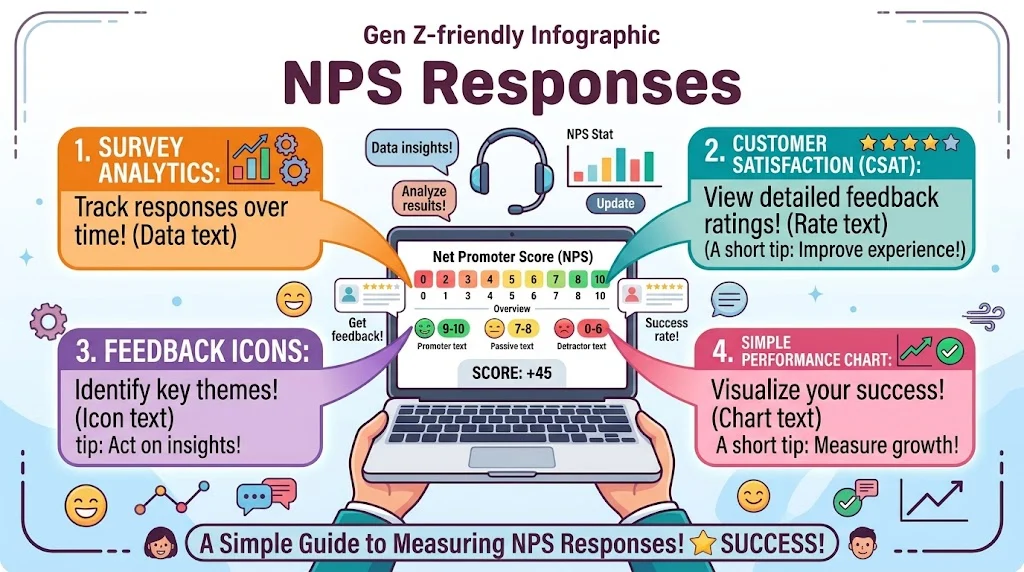
They are the scores and comments customers give on a 0 to 10 question about how likely they are to recommend you. Scores of 9 and 10 are promoters, 7 and 8 are passives, and 0 to 6 are detractors.
Should I reply to every NPS response?
Aim to reply to every detractor and as many promoters as you can. A short personal note goes a long way and shows you actually read the feedback.
How quickly should a team respond?
Within 24 to 48 hours for detractors, and within a few days for everyone else. Speed signals that the feedback matters.
Can I use humor in NPS replies?
Light humor works with friendly promoters. Keep it warm and professional with detractors, since they are usually frustrated and need empathy first.
What if a customer leaves a score with no comment?
Ask one simple question like “What could we do better?” Short, specific questions get better response rates than long surveys.
How do I use NPS responses to improve the product?
Tag comments by theme, count how often each theme appears, and share the top three with your product team every month. Patterns beat single comments.
Conclusion
NPS responses are more than numbers in a dashboard. They are customers telling you exactly where you stand, and how you reply shapes whether they stay or walk away. A thoughtful line to a promoter builds advocacy, and a fast, honest reply to a detractor can rescue a relationship you thought was gone.
You do not need a giant budget or a fancy tool to do this well. You need a clear tone, a quick response time, and a genuine willingness to listen. Mix up your replies, match the mood, and keep it human.
