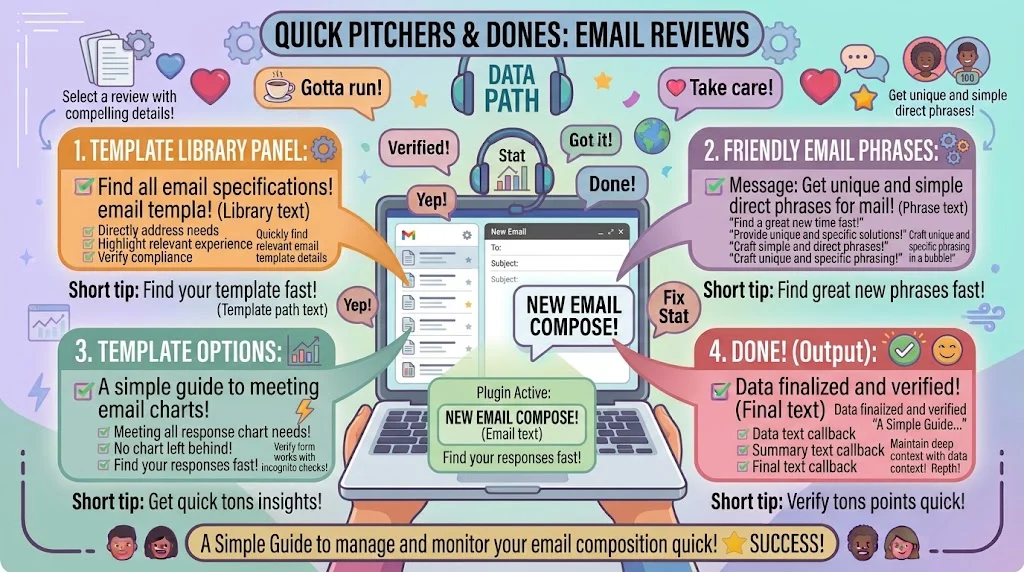
Canned email responses are saved reply templates you reuse for common messages, so you stop retyping the same paragraphs every day. Top alternatives: Use a saved template, Try a saved reply, Pick a quick response, Load your shortcut, Insert the canned reply.
Canned email responses are the reason some people clear their inbox before lunch while others are still typing “thanks for reaching out” for the ninth time. Whether you are answering support tickets, chasing invoices, confirming meetings, or replying to the same five questions on repeat, a saved template saves your sanity. The trick is knowing which ones to keep, where to store them, and how to make them sound human.
Here is the thing. A bad canned reply sounds like a robot wrote it during a lunch break. A good one sounds like you, only faster. This guide gives you 170+ ready-to-use lines for every tone and scenario, from customer support to cold outreach to those awkward follow-ups nobody wants to write.
Professional And Formal Responses
- “Thank you for reaching out. I have received your message and will respond within one business day.”
- Example: Use as your default auto-reply when you are deep in focus work.
- Meaning: It sets a clear expectation without overpromising.
- “Thank you for your email. I am reviewing your request and will follow up shortly with next steps.”
- Example: Use when a client sends a detailed project brief.
- Meaning: It acknowledges receipt and shows momentum.
- “We appreciate your patience while we look into this. Expect an update by end of day tomorrow.”
- Example: Use for support tickets that need escalation.
- Meaning: It buys time while staying accountable.
- “Please find the requested documents attached. Let me know if anything is missing.”
- Example: Use when sending standard onboarding paperwork.
- Meaning: It closes the loop cleanly.
- “I am looping in the relevant team so your question reaches the right person faster.”
- Example: Use when a request lands outside your department.
- Meaning: It redirects without dropping the ball.
- “Thank you for your feedback. It has been logged and shared with the product team.”
- Example: Use for feature requests and complaints.
- Meaning: It validates the sender and shows action.
- “Confirming receipt of your invoice. Payment is scheduled per our standard terms.”
- Example: Use for vendor emails that arrive weekly.
- Meaning: It reduces back and forth.
- “I would like to schedule a brief call to discuss this properly. Please share your availability.”
- Example: Use when a thread has become too long.
- Meaning: It moves the conversation forward.
- “Thank you for the introduction. Happy to connect and take this forward.”
- Example: Use when someone CCs you into a new contact.
- Meaning: It is warm and efficient.
- “As a reminder, our office hours are Monday to Friday, 9 AM to 5 PM. We will respond on the next business day.”
- Example: Use in your out-of-office or auto-reply.
- Meaning: It protects your boundaries politely.
- “I have forwarded this to our billing department. They will be in touch directly.”
- Example: Use for payment disputes.
- Meaning: It hands off without confusion.
- “Thank you for your interest. I have attached our service overview and pricing sheet.”
- Example: Use for inbound sales inquiries.
- Meaning: It answers the first question before it is asked.
Friendly And Warm Responses
- “Thanks so much for your email. Really glad you reached out.”
- Example: Use with clients you have a good relationship with.
- Meaning: It opens with genuine warmth.
- “Lovely to hear from you. Give me a little time and I will get back with a proper answer.”
- Example: Use when a friendly contact sends a long update.
- Meaning: It acknowledges them as a person, not a ticket.
- “Got it, thank you. I will take care of this and keep you posted.”
- Example: Use for simple requests from teammates.
- Meaning: It is reassuring and casual.
- “Appreciate you flagging this. It is on my list for today.”
- Example: Use when a colleague spots an issue early.
- Meaning: It thanks them and sets timing.
- “Thanks for the quick reply. That makes my life a lot easier.”
- Example: Use when someone sends information you needed.
- Meaning: It builds goodwill in one line.
- “Hope you are having a good week. Just confirming we are still on for Thursday.”
- Example: Use for meeting confirmations.
- Meaning: It adds human warmth to a routine check.
- “Thanks for thinking of me. Happy to help where I can.”
- Example: Use when someone asks for a small favor.
- Meaning: It is generous without overcommitting.
- “This is great, thank you. I will review and circle back by Friday.”
- Example: Use when receiving drafts or proposals.
- Meaning: It sets a deadline kindly.
- “No rush at all. Whenever you get a chance works for me.”
- Example: Use when following up on a low-priority item.
- Meaning: It removes pressure.
- “Thanks for keeping me in the loop. Much appreciated.”
- Example: Use when CC’d on updates you do not need to act on.
- Meaning: It acknowledges without adding work.
- “Really helpful, thank you. I owe you one.”
- Example: Use when someone goes out of their way.
- Meaning: It is warm and memorable.
- “Great to hear from you. Let me check and get back to you today.”
- Example: Use for returning client messages.
- Meaning: It is friendly and prompt.
Funny And Relatable Responses
- “Your email has been received and added to the pile. A very organized pile. Probably.”
- Example: Use as an internal auto-reply for your team.
- Meaning: It keeps things light without losing professionalism.
- “Thanks for the email. I am currently operating on coffee and optimism.”
- Example: Use in casual workplace threads.
- Meaning: It builds rapport with humor.
- “Message received. My inbox and I are having a moment, but we will get through it.”
- Example: Use in an out-of-office note for a close team.
- Meaning: It is relatable and friendly.
- “Thanks for following up. My brain filed this under later and then forgot where later was.”
- Example: Use when apologizing for a slow reply.
- Meaning: It owns the delay with charm.
- “I have read your email three times and I am still impressed. Reply incoming.”
- Example: Use when a colleague sends excellent work.
- Meaning: It is playful praise.
- “Consider this your official confirmation. Unofficially, I almost forgot.”
- Example: Use for meeting confirmations with a friendly client.
- Meaning: It is funny and honest.
- “Your request is in the queue. The queue is mostly me and a to-do list.”
- Example: Use for solo freelancers.
- Meaning: It humanizes the delay.
- “Thanks for the reminder. You are the calendar my brain refuses to be.”
- Example: Use when someone nudges you politely.
- Meaning: It thanks them with a joke.
- “I would say I replied instantly, but you can see the timestamp.”
- Example: Use in a lighthearted follow-up.
- Meaning: It admits the delay without drama.
- “Email received. Emotional support reply loading.”
- Example: Use with a coworker who sent a stressful update.
- Meaning: It is funny and supportive.
- “Thanks for checking in. I am alive, just buried under seventeen tabs.”
- Example: Use in a casual status update.
- Meaning: It is honest and light.
- “Your email has been read, appreciated, and scheduled for a dramatic response later.”
- Example: Use with a friend at work.
- Meaning: It adds personality to a routine reply.
Customer Support Responses
- “Thank you for contacting support. Could you share a screenshot of the issue so we can investigate?”
- Example: Use as your first reply to a vague bug report.
- Meaning: It moves the ticket forward fast.
- “We are sorry for the inconvenience. Our team is actively working on a fix.”
- Example: Use during a service outage.
- Meaning: It acknowledges and reassures.
- “I have reset your account access. Please try logging in again and let us know how it goes.”
- Example: Use for password and access issues.
- Meaning: It gives an action and a follow-up path.
- “Your refund request has been approved. Please allow five to seven business days for processing.”
- Example: Use for standard refund approvals.
- Meaning: It sets a clear timeline.
- “Thanks for flagging this. I have escalated it to our technical team with high priority.”
- Example: Use for serious errors.
- Meaning: It shows urgency and ownership.
- “Here is a quick guide that walks through the steps. Let me know if you get stuck.”
- Example: Use for common how-to questions.
- Meaning: It teaches instead of repeating.
- “We have received your return request. Please use the prepaid label attached to this email.”
- Example: Use for e-commerce returns.
- Meaning: It removes friction.
- “I understand your frustration. Let me look into this personally and get back to you today.”
- Example: Use when a customer is upset.
- Meaning: It de-escalates with ownership.
- “Your subscription has been updated. You will see the change on your next billing cycle.”
- Example: Use for plan changes.
- Meaning: It confirms clearly.
- “Thank you for your patience. The issue has been resolved and services are back to normal.”
- Example: Use to close an outage ticket.
- Meaning: It gives closure.
- “We would love your feedback on how we handled this. Here is a two-minute survey.”
- Example: Use after resolving a ticket.
- Meaning: It improves service and shows care.
- “I am sorry, but this falls outside our support scope. Here are some resources that may help.”
- Example: Use for out-of-scope requests.
- Meaning: It declines politely and still helps.
Sales And Outreach Responses
- “Thanks for getting back to me. Would Tuesday or Thursday work for a quick 15-minute call?”
- Example: Use when a prospect replies with interest.
- Meaning: It moves toward a meeting with options.
- “Appreciate the quick response. I will send over a short overview so you have context before we talk.”
- Example: Use after a positive first reply.
- Meaning: It adds value before the call.
- “No problem at all. I will follow up in a few weeks in case timing changes.”
- Example: Use when a prospect says not right now.
- Meaning: It keeps the door open gracefully.
- “Thanks for the details. Based on what you shared, here is a package that fits your team size.”
- Example: Use after a discovery call.
- Meaning: It personalizes the pitch.
- “Happy to send a trial link so your team can test it before committing.”
- Example: Use when a lead hesitates on price.
- Meaning: It lowers the risk.
- “Just circling back on this. Is it still worth a conversation?”
- Example: Use for a polite follow-up after silence.
- Meaning: It is direct without being pushy.
- “Thanks for your time today. Attaching the proposal we discussed along with a short summary.”
- Example: Use right after a sales call.
- Meaning: It keeps momentum.
- “Understood. If budget is the blocker, we can explore a smaller starting package.”
- Example: Use when price is the objection.
- Meaning: It offers flexibility.
- “I will remove you from my list. Thanks for letting me know, and best of luck.”
- Example: Use when someone says not interested.
- Meaning: It respects their choice instantly.
- “Glad this looks useful. Here is the signup link and a short onboarding guide.”
- Example: Use when a lead is ready to move.
- Meaning: It removes friction.
- “Following up on my note from last week. Happy to close the loop either way.”
- Example: Use for the final follow-up.
- Meaning: It gives an easy out.
- “Thanks for the referral. I will reach out to your colleague today and mention your name.”
- Example: Use after receiving an introduction.
- Meaning: It shows follow-through.
HR And Recruiting Responses
- “Thank you for applying. We have received your application and will review it this week.”
- Example: Use as an auto-reply for job applications.
- Meaning: It sets expectations early.
- “We would like to invite you to a first-round interview. Here are a few time slots.”
- Example: Use for shortlisted candidates.
- Meaning: It is clear and efficient.
- “Thank you for your interest. We have decided to move forward with other candidates.”
- Example: Use for rejection emails.
- Meaning: It is respectful and closes the loop.
- “Congratulations. We are pleased to move forward with an offer. Details are attached.”
- Example: Use for offer emails.
- Meaning: It is celebratory but clear.
- “Please complete the onboarding documents by Friday so we can finalize your start date.”
- Example: Use for new hires.
- Meaning: It gives a simple deadline.
- “Your leave request has been approved. Please update your calendar accordingly.”
- Example: Use for time-off approvals.
- Meaning: It confirms and prompts action.
- “Thanks for flagging this. I will keep it confidential and follow up with next steps.”
- Example: Use for sensitive employee concerns.
- Meaning: It builds trust.
- “We have scheduled your performance review for next Thursday. Please review the attached agenda.”
- Example: Use for review invitations.
- Meaning: It reduces anxiety with clarity.
- “Kindly resubmit the form with the missing signature on page two.”
- Example: Use for incomplete paperwork.
- Meaning: It is specific and helpful.
- “Your contract has been renewed for another year. Please sign and return by the end of the month.”
- Example: Use for renewals.
- Meaning: It is straightforward.
- “We are updating our records. Please confirm your current address and emergency contact.”
- Example: Use for annual data checks.
- Meaning: It explains why you are asking.
- “Thanks for letting us know. We wish you all the best in your next chapter.”
- Example: Use for resignation acknowledgments.
- Meaning: It ends on a good note.
Follow-Up And Reminder Responses
- “Just a gentle reminder to send over the signed copy when you get a chance.”
- Example: Use for pending documents.
- Meaning: It nudges without pressure.
- “Circling back on this in case it got buried. Happy to help if anything is unclear.”
- Example: Use for a two-week-old thread.
- Meaning: It is polite and practical.
- “Following up on my previous email. Let me know if now is a better time.”
- Example: Use after no response.
- Meaning: It gives them an easy opening.
- “Friendly nudge on the invoice from last month. Let me know if it needs to be resent.”
- Example: Use for unpaid invoices.
- Meaning: It is firm but friendly.
- “Checking in to confirm we are still on track for Friday.”
- Example: Use before a deadline.
- Meaning: It prevents last-minute surprises.
- “This is my last follow-up. If timing is not right, I will close the loop here.”
- Example: Use for the final nudge.
- Meaning: It respects their time and yours.
- “Quick reminder that the survey closes tomorrow at noon.”
- Example: Use for feedback collection.
- Meaning: It creates urgency kindly.
- “I have not heard back, so I am assuming this is on hold. Correct me if I am wrong.”
- Example: Use when a project stalls.
- Meaning: It invites correction without blame.
- “Just resurfacing this so it does not get lost in the shuffle.”
- Example: Use in busy team inboxes.
- Meaning: It explains the follow-up.
- “Happy to close this out if it is no longer needed.”
- Example: Use for stalled requests.
Meaning: It offers a clean resolution.
- Example: Use for stalled requests.
- “Reminder that the deadline is approaching. Please confirm your status.”
- Example: Use for team deliverables.
- Meaning: It is clear and direct.
- “Following up once more before I archive this thread.”
- Example: Use before closing a ticket.
- Meaning: It signals the end.
Declining And Setting Boundaries
- “Thank you for thinking of me, but I am not able to take this on right now.”
- Example: Use when asked to join a new project.
- Meaning: It declines without overexplaining.
- “Unfortunately, this is outside our scope. Here is where you can find help.”
- Example: Use for out-of-scope requests.
- Meaning: It redirects kindly.
- “I am at capacity this month, but I can revisit this in March if it is still relevant.”
- Example: Use for future opportunities.
- Meaning: It offers a later window.
- “I appreciate the invitation, but I will have to pass this time.”
- Example: Use for events and meetings.
- Meaning: It is warm and final.
- “I am not the right person for this. Please contact the operations team.”
- Example: Use when misdirected.
- Meaning: It saves everyone time.
- “I cannot offer a discount on this package, but I can adjust the scope to fit your budget.”
- Example: Use for pricing negotiations.
- Meaning: It holds value while offering options.
- “Please remove me from this mailing list. Thank you.”
- Example: Use for unwanted newsletters.
- Meaning: It is clear and polite.
- “I will not be able to meet that deadline, but I can deliver a partial version by Friday.”
- Example: Use when timelines are unrealistic.
- Meaning: It negotiates honestly.
- “I am not available after 6 PM. I will respond first thing tomorrow.”
- Example: Use in evening replies.
- Meaning: It protects your time.
- “That request falls outside my role. Happy to point you to the right contact.”
- Example: Use for scope creep.
- Meaning: It is firm but helpful.
- “I would rather not share that information at this stage.”
- Example: Use for sensitive questions.
- Meaning: It is a polite refusal.
- “Thanks for understanding. I will let you know if anything changes.”
- Example: Use to close a declined request.
- Meaning: It leaves the door slightly open.
Apology And Delay Responses
- “Apologies for the delayed reply. Your email landed during a busy week and I wanted to give it proper attention.”
- Example: Use after a slow response.
- Meaning: It explains without excuses.
- “I am sorry for the mix-up. Here is the correct version of the file.”
- Example: Use when sending a corrected document.
- Meaning: It owns the error fast.
- “Thank you for your patience. I know this took longer than expected.”
- Example: Use when a project runs late.
- Meaning: It acknowledges the wait.
- “I dropped the ball on this one. It is back on track now and I will update you by Thursday.”
- Example: Use when you genuinely missed something.
- Meaning: It builds trust through honesty.
- “Apologies for the confusion in my last email. Let me clarify.”
- Example: Use after an unclear message.
- Meaning: It resets the conversation.
- “I am out of office today with limited access to email. I will reply properly on Monday.”
- Example: Use as an auto-reply.
- Meaning: It sets realistic expectations.
- “Sorry for the slow turnaround. I am working through a backlog after being out sick.”
- Example: Use after returning from leave.
- Meaning: It explains context briefly.
- “I missed that detail. Thanks for catching it and sorry for the extra round.”
- Example: Use when someone corrects your work.
- Meaning: It is gracious.
- “We sincerely apologize for the disruption. Here is what we are doing to prevent it next time.”
- Example: Use for service failures.
- Meaning: It goes beyond the apology.
- “I am sorry I could not make the meeting. Here are my notes and questions so we stay aligned.”
- Example: Use after missing a call.
- Meaning: It shows accountability.
- “Apologies if my last message came across abruptly. That was not my intention.”
- Example: Use when tone gets misread.
- Meaning: It repairs quickly.
- “Thanks for bearing with me. Here is the full response now.”
- Example: Use when finally answering a long thread.
- Meaning: It is grateful and complete.
Short And Quick Responses
- “Received, thanks.”
- Example: Use for low-stakes acknowledgments.
- Meaning: It is fast and clean.
- “On it.”
- Example: Use with teammates.
- Meaning: It signals action.
- “Will do.”
- Example: Use for simple requests.
- Meaning: It is brief and clear.
- “Approved.”
- Example: Use for sign-offs.
- Meaning: It ends the loop.
- “Sounds good.”
- Example: Use for confirmations.
- Meaning: It is easy and friendly.
- “Thanks for the update.”
- Example: Use for status emails.
- Meaning: It acknowledges without adding work.
- “Noted with thanks.”
- Example: Use in formal threads.
- Meaning: It is professional and short.
- “Will review and revert.”
- Example: Use for documents.
- Meaning: It sets a next step.
- “Confirmed.”
- Example: Use for meetings and bookings.
- Meaning: It is final and clear.
- “Following up shortly.”
- Example: Use when you need more time.
- Meaning: It keeps them informed.
- “Happy to help.”
- Example: Use for offers of support.
- Meaning: It is warm and brief.
- “Closing this out. Thanks all.”
- Example: Use at the end of a thread.
- Meaning: It gives closure.
Confident And Clear Responses
- “Here is the decision, along with the reasoning behind it.”
- Example: Use for project approvals.
- Meaning: It removes ambiguity.
- “To confirm, we are moving forward with option B.”
- Example: Use after a group decision.
- Meaning: It locks in the outcome.
- “The timeline is fixed. We need the draft by the 12th.”
- Example: Use for deadline clarity.
- Meaning: It is direct and fair.
- “I have reviewed the proposal and I am happy to proceed.”
- Example: Use for sign-offs.
- Meaning: It is clear and confident.
- “This is the final version. No further edits are needed.”
- Example: Use when wrapping a project.
- Meaning: It ends the revision cycle.
- “We are not able to meet that request, but here is what we can do.”
- Example: Use for firm declines.
- Meaning: It offers a path forward.
- “I will take ownership of this and report back by Friday.”
- Example: Use for accountability.
- Meaning: It reassures with action.
- “That approach will not work for us. Here is why.”
- Example: Use for pushback.
- Meaning: It is honest and reasoned.
- “I have escalated this and will update you once I hear back.”
- Example: Use for serious issues.
- Meaning: It shows control.
- “Let us align on the scope before we discuss cost.”
- Example: Use in client negotiations.
- Meaning: It keeps the conversation focused.
- “The data supports this direction. I recommend we move.”
- Example: Use for strategy emails.
- Meaning: It is decisive.
- “I am confident we can deliver by the agreed date.”
- Example: Use for status updates.
- Meaning: It builds trust.
Empathetic And Supportive Responses
- “I am really sorry to hear that. Take the time you need, and we will cover things here.”
- Example: Use when a colleague shares a personal hardship.
- Meaning: It is kind and practical.
- “Thank you for trusting me with this. I will keep it between us.”
- Example: Use for sensitive disclosures.
- Meaning: It honors confidence.
- “That sounds really frustrating. Let me see what I can do to help.”
- Example: Use for upset customers or colleagues.
- Meaning: It validates and offers action.
- “No pressure at all. Reply whenever you are ready.”
- Example: Use for someone going through a hard time.
- Meaning: It removes urgency.
- “I know this is a lot. Let us break it into smaller steps.”
- Example: Use when someone feels overwhelmed.
- Meaning: It makes the task manageable.
- “You are not alone in this. I am here if you need to talk.”
- Example: Use for a struggling teammate.
- Meaning: It is warm and sincere.
- “Thanks for being honest about your capacity. Let us adjust the plan.”
- Example: Use when someone admits they are stretched.
- Meaning: It rewards honesty.
- “Please do not worry about the delay. Your well-being comes first.”
- Example: Use after a personal emergency.
- Meaning: It puts people before deadlines.
- “I can imagine how stressful that must be. Here is what I can take off your plate.”
- Example: Use for a colleague in crisis.
- Meaning: It offers real help.
- “We will manage. Focus on what you need right now.”
- Example: Use during family emergencies.
- Meaning: It gives permission to step away.
- “I hear you. Let me follow up internally and get you a clear answer.”
- Example: Use for unresolved complaints.
- Meaning: It shows advocacy.
- “Thanks for your patience and for being so understanding.”
- Example: Use when closing a difficult situation.
- Meaning: It is grateful and gracious.
Creative And Brand-Voice Responses
- “Thanks for writing in. Your message just made our inbox the best part of our day.”
- Example: Use for a playful brand’s auto-reply.
- Meaning: It sets a fun tone.
- “We have got your note and we are on it. Expect good news soon.”
- Example: Use for a young, energetic brand.
- Meaning: It is upbeat and brief.
- “Your request has been received, logged, and given a tiny cheer.”
- Example: Use for creative agencies.
- Meaning: It adds personality.
- “Consider this the start of something great. We will be in touch within 24 hours.”
- Example: Use for inbound leads.
- Meaning: It builds excitement.
- “Plot twist: we are already working on your request. Stay tuned.”
- Example: Use for a brand that uses humor.
- Meaning: It is memorable.
- “Thanks for sliding into our inbox. Here is everything you need to know.”
- Example: Use for social-media-driven brands.
- Meaning: It matches their voice.
- “Short answer: yes. Long answer: we will send it over by tomorrow.”
- Example: Use for quick confirmations.
- Meaning: It is witty and clear.
- “Your email has been added to our highlight reel. Reply incoming.”
- Example: Use for lifestyle brands.
- Meaning: It is playful.
- “We are a small team with big replies. Yours is on the way.”
- Example: Use for startups.
- Meaning: It is honest and charming.
- “Good things take a little time. We are on it and we will not leave you hanging.”
- Example: Use for delays.
- Meaning: It keeps trust.
- “You bring the questions, we bring the answers. Give us a day.”
- Example: Use for service businesses.
- Meaning: It is confident and friendly.
- “Thanks for reaching out. This is the part where we impress you.”
- Example: Use for premium services.
- Meaning: It sets a high bar playfully.
Internal Team Responses
- “Thanks for flagging. I will pick this up and update the thread by 4 PM.”
- Example: Use in Slack or internal email.
- Meaning: It assigns clear ownership.
- “Can you share the file when you get a moment? No rush.”
- Example: Use for internal requests.
- Meaning: It is polite and direct.
- “Heads up, I will be offline this afternoon. Ping me if anything urgent comes up.”
- Example: Use before a focus block.
- Meaning: It sets expectations.
- “Looping in the design team so we do not duplicate work.”
- Example: Use when coordinating projects.
- Meaning: It prevents overlap.
- “Quick update: the client approved the draft. Moving to build.”
- Example: Use for status updates.
- Meaning: It keeps everyone aligned.
- “I have documented this in the shared doc so we have a record.”
- Example: Use after decisions.
- Meaning: It prevents confusion later.
- “Let us take this offline and resolve it quickly.”
- Example: Use when a thread gets tense.
- Meaning: It de-escalates.
- “Thanks for the review notes. I will fold them in and resend today.”
- Example: Use after feedback rounds.
- Meaning: It closes the loop fast.
- “Reminder to log your hours before Friday.”
- Example: Use for admin tasks.
- Meaning: It is practical and clear.
- “This is blocked until we get sign-off. Can you chase it?”
- Example: Use when dependencies stall.
- Meaning: It unblocks with clarity.
- “Great work on this. I have shared it with leadership.”
- Example: Use for recognition.
- Meaning: It motivates and shows visibility.
- “Archiving this thread. Reopen it if anything changes.”
- Example: Use to close internal discussions.
- Meaning: It is clean and decisive.
FAQs
What are canned email responses?
They are saved reply templates you reuse for common messages. You write them once, store them in your email tool, and insert them with a shortcut.
Are canned responses rude?
Not if they sound human. Personalize the greeting and one detail from the sender’s message, and most people will never notice it was a template.
Where do I save canned responses in Gmail?
Go to Settings, then See all settings, then Advanced, and enable Templates. You can then save drafts as templates and insert them from the compose window.
How many canned responses should I create?
Start with five that cover your most common emails. Add more as you notice yourself retyping the same thing.
Can I use canned responses for sales outreach?
Yes, but keep them short and specific. One personalized line at the top makes a huge difference.
Do canned responses work for customer support?
They are essential for support. Just make sure each one includes a clear next step so the customer is not left guessing.
Conclusion
Canned email responses are not about sounding robotic. They are about buying back your time so you can write better replies when it actually matters. Start with a handful that cover your most repeated messages, personalize the first line every time, and update them as your tone evolves.
Save this guide, share it with the teammate drowning in their inbox, and steal the lines that fit your voice. Your future self, and your calendar, will thank you.
