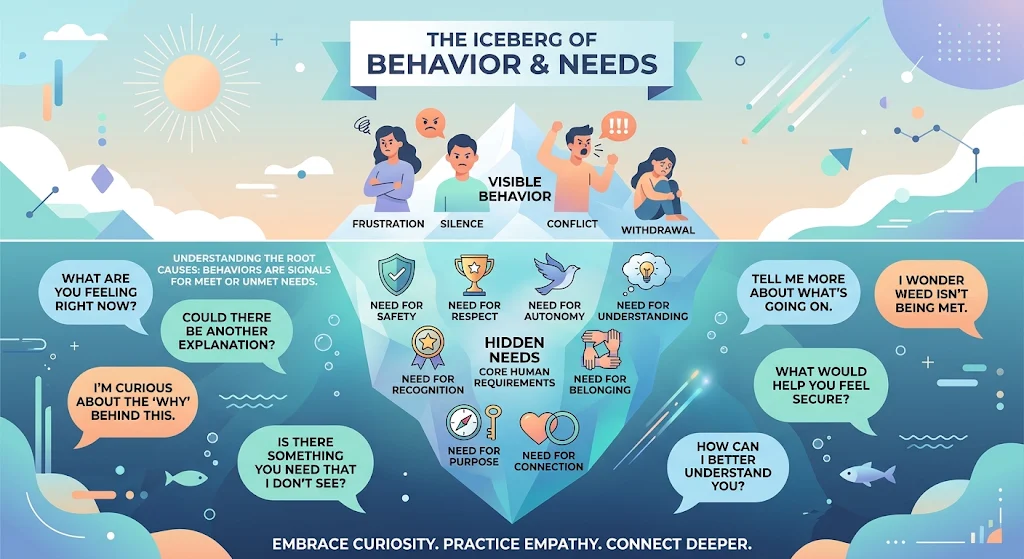
Behaviors are responses to needs means every action is trying to communicate something the person cannot say out loud. Top alternatives: Look for the need, Behavior is a message, Meet the need behind it, Ask what they are missing, See the function first.
Behaviors are responses to needs, which is the idea that changes everything once it clicks. Maybe your kid melts down at 5 PM every day, or a student keeps disrupting class, or a coworker snaps at everyone during deadline week. Nothing is random when you look underneath. Every behavior is doing a job for the person.
The tricky part is explaining this to people who are exhausted and just want the behavior to stop. Your wording matters here. A reply that sounds judgmental shuts the conversation down. A reply that sounds curious opens it up. This guide gives you 180+ ready-to-use lines for every tone and situation, from parenting talks to staff meetings.
Funny And Relatable Responses
- “Every behavior is a message. Sometimes the message is just I am tired and I have no words.”
- Example: Use when a friend vents about their kid’s meltdown.
- Meaning: It lightens the topic while teaching it.
- “Behaviors are responses to needs. My need right now is a nap.”
- Example: Use when explaining the concept with self-deprecation.
- Meaning: It makes the idea personal and funny.
- “That kid is not giving you a hard time. They are having a hard time and running out of words.”
- Example: Use when a parent feels blamed.
- Meaning: It reframes the moment kindly.
- “Turns out the behavior was a love letter written in crayon.”
- Example: Use after figuring out what a child needed.
- Meaning: It is warm and playful.
- “All behavior is communication. Some of it is just shouting in a trench coat.”
- Example: Use in a casual parenting group.
- Meaning: It is memorable and funny.
- “We are all just walking around with unmet needs and an attitude.”
- Example: Use in a relatable social post.
- Meaning: It normalizes the concept.
- “My kid is not manipulative. My kid is running low on snacks and emotional vocabulary.”
- Example: Use when defending a child’s behavior.
- Meaning: It is honest with humor.
- “Behaviors are responses to needs. Mine responds best to coffee.”
- Example: Use in a light workplace chat.
- Meaning: It keeps the tone warm.
- “The behavior makes sense. It is the explanation that is missing.”
- Example: Use when someone is frustrated.
- Meaning: It reframes confusion as curiosity.
- “Every tantrum is a tiny press conference about an unmet need.”
- Example: Use in a parenting post.
- Meaning: It is visual and funny.
- “Once you see the need behind the behavior, you cannot unsee it. Annoying, honestly.”
- Example: Use when sharing a discovery.
- Meaning: It is relatable.
- “The behavior is not the enemy. The missing need is.”
- Example: Use when redirecting a conversation.
- Meaning: It is clear and memorable.
Brutal And Direct Responses
- “The behavior is not the problem. The unmet need is. Stop punishing the messenger.”
- Example: Use when someone keeps focusing on consequences only.
- Meaning: It is firm and corrective.
- “If you only address the behavior, it will come back in a new costume.”
- Example: Use in a staff meeting.
- Meaning: It points out a real limitation.
- “You cannot discipline away a need.”
- Example: Use when a punishment plan is proposed.
- Meaning: It is blunt and true.
- “That child is not being difficult on purpose. They are telling you something without words.”
- Example: Use when a student is labeled badly.
- Meaning: It challenges the label.
- “Behaviors are responses to needs. If the need stays unmet, nothing changes.”
- Example: Use in a behavior plan discussion.
- Meaning: It states the core rule.
- “You are treating the symptom. The need is still sitting there.”
- Example: Use when a fix is superficial.
- Meaning: It is direct.
- “Calling a kid bad is easier than asking what they are missing.”
- Example: Use in a hard conversation with a parent.
- Meaning: It is honest and uncomfortable.
- “You cannot expect different behavior from someone whose need is still ignored.”
- Example: Use when progress stalls.
- Meaning: It is direct.
- “The behavior made sense in their body, even if it makes no sense to you.”
- Example: Use in a training session.
- Meaning: It reframes perspective.
- “Stop asking what is wrong with them. Ask what happened to them.”
- Example: Use in a trauma-aware meeting.
- Meaning: It shifts the question.
- “If the environment keeps triggering the same behavior, the environment is part of the answer.”
- Example: Use when a workplace pattern repeats.
- Meaning: It points to systems.
- “You cannot skip the need and expect the behavior to disappear.”
- Example: Use when someone wants a quick fix.
- Meaning: It is clear and final.
Polite And Professional Responses
- “Behaviors are often responses to unmet needs. It helps to look at what the person might be missing.”
- Example: Use in a parent-teacher meeting.
- Meaning: It is clear and respectful.
- “Thank you for sharing that. When we look at the need behind the behavior, the plan usually gets better.”
- Example: Use when responding to a concern.
- Meaning: It is warm and professional.
- “I find it helpful to ask what the behavior is communicating before we decide on a consequence.”
- Example: Use in a workplace discussion.
- Meaning: It offers a thoughtful approach.
- “Behaviors are responses to needs, so our approach focuses on understanding the function first.”
- Example: Use in a clinical or educational setting.
- Meaning: It states the framework clearly.
- “That is a reasonable observation. Let us also look at what need might be driving it.”
- Example: Use when someone raises a concern.
- Meaning: It is balanced and polite.
- “I would suggest exploring the unmet need before setting a response plan.”
- Example: Use in a team meeting.
- Meaning: It is professional advice.
- “This framework helps us respond with curiosity instead of blame.”
- Example: Use when introducing the concept.
- Meaning: It explains the benefit.
- “Behaviors are responses to needs. That does not remove accountability, but it adds understanding.”
- Example: Use when someone worries about permissiveness.
- Meaning: It is nuanced.
- “I appreciate you raising this. It gives us a chance to look at the need behind it.”
- Example: Use in a difficult conversation.
- Meaning: It is gracious.
- “When we address the need, the behavior often shifts on its own.”
- Example: Use in a consultation.
Meaning: It is practical and calm.
- Example: Use in a consultation.
- “That approach makes sense. I would add that the behavior is likely serving a purpose.”
- Example: Use when building on someone’s plan.
- Meaning: It is collaborative.
- “Let us look at the trigger, the need, and the skill gap together.”
- Example: Use in a structured review.
- Meaning: It is organized and professional.
Parent-Friendly Responses
- “Your kid is not giving you a hard time. They are having a hard time. That shift changes everything.”
- Example: Use when a parent feels defeated.
- Meaning: It offers relief.
- “Behaviors are responses to needs. Start with sleep, food, and connection. It solves more than you think.”
- Example: Use when a meltdown feels random.
- Meaning: It is practical.
- “Ask what the behavior is telling you before you decide on a consequence.”
- Example: Use in a parenting chat.
- Meaning: It is simple guidance.
- “A meltdown usually means the tank is empty, not that the child is bad.”
- Example: Use after a hard bedtime.
- Meaning: It is reassuring.
- “You are not failing. You are learning to read a new language.”
- Example: Use when a parent feels guilty.
- Meaning: It is kind and encouraging.
- “Try naming the need out loud. Sometimes that alone calms things down.”
- Example: Use as a quick strategy.
- Meaning: It is actionable.
- “The behavior is the tip of the iceberg. The need is underneath.”
- Example: Use when explaining to a relative.
- Meaning: It is visual and clear.
- “Connection first, correction second. It works more often than you would think.”
- Example: Use in a discipline conversation.
- Meaning: It is practical.
- “Your child wants to do well. They just do not have the skills yet.”
- Example: Use when a parent feels hopeless.
- Meaning: It reframes the struggle.
- “Behaviors are responses to needs, and needs are not manipulation.”
- Example: Use when someone calls a child manipulative.
- Meaning: It is corrective and caring.
- “You can hold a boundary and still meet the need. Both can be true.”
- Example: Use when a parent worries about being too soft.
- Meaning: It is balanced.
- “Notice the pattern. The behavior is usually telling you where to look.”
- Example: Use as a coaching line.
- Meaning: It builds observation skills.
Teacher And Classroom Responses
- “That behavior is a signal. Before we escalate, let us figure out what it is signaling.”
- Example: Use in a student support meeting.
- Meaning: It is calm and professional.
- “Behaviors are responses to needs. This student may need connection before correction.”
- Example: Use when discussing a disruptive student.
- Meaning: It offers a direction.
- “If a student keeps acting out at the same time each day, look at what happens right before.”
- Example: Use in a team debrief.
- Meaning: It is practical.
- “The behavior is not personal. It is functional. It is doing something for them.”
- Example: Use when a teacher feels targeted.
- Meaning: It reframes.
- “Try asking what the student needs instead of what is wrong with them.”
- Example: Use in a coaching conversation.
- Meaning: It shifts the question.
- “Unmet needs often show up as classroom disruption. It is rarely about the lesson.”
- Example: Use in a staff training.
- Meaning: It is insightful.
- “A student who feels safe is a student who can learn. Safety is a need.”
- Example: Use when discussing environment.
- Meaning: It connects to outcomes.
- “Behaviors are responses to needs, and attention is one of the most common ones.”
- Example: Use when explaining attention-seeking.
- Meaning: It names the function.
- “Punishment stops the behavior in the moment. Meeting the need changes it long term.”
- Example: Use in a discipline discussion.
- Meaning: It is honest and useful.
- “Document the antecedent. The trigger usually points to the need.”
- Example: Use in an intervention meeting.
- Meaning: It is practical.
- “That student is not refusing to learn. They are refusing to feel unsafe.”
- Example: Use when a student shuts down.
- Meaning: It reframes the moment.
- “Let us build a plan around the need, not just the behavior.”
- Example: Use when writing a support plan.
- Meaning: It is clear and collaborative.
Therapist And Counseling Responses
- “Behaviors are responses to needs. Let us explore what this behavior is protecting you from.”
- Example: Use in a therapy session.
- Meaning: It is clinical and curious.
- “That behavior makes sense in the context of your history. It was keeping you safe.”
- Example: Use when a client feels ashamed.
- Meaning: It offers compassion.
- “Underneath the behavior is usually an unmet need from a long time ago.”
- Example: Use when exploring patterns.
- Meaning: It connects past and present.
- “You are not broken. You learned a response that helped you survive.”
- Example: Use when a client criticizes themselves.
- Meaning: It is validating.
- “Let us ask what need this behavior is trying to meet right now.”
- Example: Use during a session.
- Meaning: It is practical and curious.
- “The behavior is the visible part. The need is where the real work happens.”
- Example: Use when explaining the framework.
- Meaning: It is insightful.
- “Every response had a reason once. We can honor it and still change it.”
- Example: Use when a client feels stuck.
- Meaning: It is balanced.
- “Avoidance is a response to a need for safety. It is not laziness.”
- Example: Use when discussing procrastination.
- Meaning: It reframes.
- “When the need is finally met, the behavior often loses its job.”
- Example: Use when explaining progress.
- Meaning: It is hopeful.
- “You are allowed to have needs. You are allowed to ask for them to be met.”
- Example: Use when a client struggles to ask.
- Meaning: It is empowering.
- “We can be curious about the behavior instead of ashamed of it.”
- Example: Use when a client feels guilt.
- Meaning: It shifts the lens.
- “Behaviors are responses to needs, and you deserve to have those needs taken seriously.”
- Example: Use when closing a session.
- Meaning: It is affirming.
Sarcastic And Witty Responses
- “Oh, so the behavior is not random chaos? Shocking. It has a purpose.”
- Example: Use in a lighthearted team chat.
- Meaning: It is dry and memorable.
- “Behaviors are responses to needs. Nobody is out here misbehaving for sport.”
- Example: Use when someone implies bad intentions.
- Meaning: It is witty.
- “Sure, let us punish the behavior and ignore the need. That has never backfired.”
- Example: Use when a bad plan is proposed.
- Meaning: It is sarcastic but true.
- “The behavior is doing a job. You cannot fire it without offering severance.”
- Example: Use in a training session.
- Meaning: It is clever and funny.
- “My need is for everyone to stop asking what is wrong with kids and start asking what they need.”
- Example: Use in a parenting post.
- Meaning: It is direct with humor.
- “You mean the screaming was communication? Who would have guessed.”
- Example: Use when someone finally gets it.
- Meaning: It is playful.
- “Behaviors are responses to needs. Yes, even the ones that ruin your morning.”
- Example: Use in a relatable post.
- Meaning: It is funny and honest.
- “The behavior has been trying to tell you something for weeks. It is not being subtle.”
- Example: Use when a pattern is obvious.
- Meaning: It is witty.
- “So the plan is to demand a skill they do not have? Bold strategy.”
- Example: Use when unrealistic expectations are set.
- Meaning: It is sarcastic and useful.
- “All behavior is communication. Some of it just has terrible timing.”
- Example: Use in a casual conversation.
- Meaning: It is clever.
- “The need is still there. You just gave it a time-out.”
- Example: Use when consequences replace support.
- Meaning: It is sharp and true.
- “Every behavior is a message. Please read it before you delete it.”
- Example: Use in a witty training slide.
- Meaning: It is memorable.
Cute And Gentle Responses
- “Behaviors are responses to needs. That means that child is asking for something, just without words.”
- Example: Use with a worried parent.
- Meaning: It is soft and clear.
- “Every behavior is a little bit of communication. We just have to listen closely.”
- Example: Use in a gentle conversation.
- Meaning: It is warm.
- “There is a need hiding under that behavior. Let us be curious, not angry.”
- Example: Use when someone is frustrated.
- Meaning: It is calming.
- “You are doing better than you think. Understanding the need takes practice.”
- Example: Use when a parent doubts themselves.
- Meaning: It is encouraging.
- “That behavior is a tiny signal. Let us take it seriously and be kind.”
- Example: Use in a classroom setting.
- Meaning: It is gentle and practical.
- “Needs are not a weakness. They are a map.”
- Example: Use when explaining the concept.
- Meaning: It is thoughtful.
- “We can meet the need and still hold the boundary. Gentle does not mean weak.”
- Example: Use when someone worries about softness.
- Meaning: It is reassuring.
- “Behaviors are responses to needs, and you are allowed to ask for what you need too.”
- Example: Use with a struggling adult.
- Meaning: It is warm.
- “Start with connection. It usually unlocks the rest.”
- Example: Use as a gentle tip.
- Meaning: It is simple.
- “That child is doing the best they can with the skills they have right now.”
- Example: Use when a child is judged harshly.
- Meaning: It builds compassion.
- “You do not have to fix it all today. Just notice the need.”
- Example: Use when someone is overwhelmed.
- Meaning: It is patient.
- “Every need met is a behavior that softens. Small steps count.”
- Example: Use in an encouraging note.
- Meaning: It is hopeful.
Dramatic And Extra Responses
- “Behaviors are responses to needs, and once I learned that, my entire brain rearranged itself.”
- Example: Use when sharing a personal shift.
- Meaning: It is dramatic and relatable.
- “I cannot unsee the need behind the behavior. It is everywhere now. In everyone.”
- Example: Use in a passionate post.
- Meaning: It is over the top.
- “That behavior is not chaos. It is a plea. A very loud plea.”
- Example: Use when explaining a meltdown.
- Meaning: It is theatrical.
- “Once you understand this concept, you cannot go back. Consider yourself warned.”
- Example: Use in an engaging caption.
- Meaning: It builds curiosity.
- “The behavior was never the villain. The unmet need was pulling the strings the whole time.”
- Example: Use in a story-style post.
- Meaning: It is dramatic and clear.
- “I would like to formally apologize to every child I ever judged before I learned this.”
- Example: Use in a reflective post.
- Meaning: It is honest and funny.
- “This concept changed how I see every argument, every tantrum, and every group chat.”
- Example: Use when introducing the topic.
- Meaning: It is engaging.
- “Every behavior is a tiny detective story. The need is the clue you missed.”
- Example: Use in a creative explanation.
- Meaning: It is vivid.
- “You mean to tell me the behavior was never random? My mind is blown.”
- Example: Use in a playful post.
- Meaning: It is dramatic.
- “The behavior is knocking on the door. The need is the person inside.”
- Example: Use in a memorable explanation.
- Meaning: It is poetic.
- “I have become the person who asks what the behavior is communicating. No regrets.”
- Example: Use in a personal update.
- Meaning: It is relatable.
- “This is the plot twist of every behavior conversation. The need was the main character.”
- Example: Use in a trendy post.
- Meaning: It is funny and clear.
Chill And Casual Responses
- “Yeah, behaviors are responses to needs. Once you see it, it makes sense.”
- Example: Use in a relaxed conversation.
- Meaning: It is simple.
- “It is just a different way of looking at the same thing. Less blame, more curiosity.”
- Example: Use when explaining casually.
- Meaning: It is easygoing.
- “No big deal. Just ask what they need instead of what is wrong.”
- Example: Use in a quick reply.
- Meaning: It is practical.
- “The behavior is usually telling you something. You just have to listen.”
- Example: Use in a casual chat.
- Meaning: It is friendly.
- “It is not about being soft. It is about being curious.”
- Example: Use when someone is skeptical.
- Meaning: It clarifies.
- “Honestly, it helped me stop taking things personally.”
- Example: Use when sharing your experience.
- Meaning: It is honest.
- “Start small. Pick one behavior and ask what need it might be meeting.”
- Example: Use as a simple tip.
Meaning: It is actionable.
- Example: Use as a simple tip.
- “It makes parenting and teaching a lot less exhausting. Most days.”
- Example: Use in a relatable chat.
- Meaning: It is honest.
- “The concept is simple. The practice takes time.”
- Example: Use when setting expectations.
- Meaning: It is realistic.
- “You are not overthinking it. You are just paying attention.”
- Example: Use when someone doubts themselves.
- Meaning: It is reassuring.
- “No need to overcomplicate it. Behavior is communication. That is the whole idea.”
- Example: Use in a quick explanation.
- Meaning: It is clear.
- “Once it clicks, it clicks. You will start seeing needs everywhere.”
- Example: Use in a casual sign-off.
- Meaning: It is warm.
Confident And Expert Responses
- “Behaviors are responses to needs. That is the foundation of every good behavior plan.”
- Example: Use in a professional training.
- Meaning: It states the principle.
- “Function comes before consequence. Always. That is how behavior change actually works.”
- Example: Use in a clinical discussion.
- Meaning: It is expert and clear.
- “The behavior is purposeful. If you ignore the function, the plan will fail.”
- Example: Use in a team review.
- Meaning: It is confident.
- “You will get better results by meeting the need than by punishing the behavior.”
- Example: Use in a consultation.
- Meaning: It is practical and assured.
- “I always start with the question: what is this behavior getting for the person?”
- Example: Use when explaining your method.
- Meaning: It shows expertise.
- “Behavior is data. It tells you exactly where to look.”
- Example: Use in a training session.
- Meaning: It is insightful.
- “Every intervention should answer two questions: what need, and what skill.”
- Example: Use in a planning meeting.
- Meaning: It is structured.
- “You cannot punish a skill deficit into existence. You have to teach it.”
- Example: Use when unrealistic plans are proposed.
- Meaning: It is direct and expert.
- “The behavior makes sense from the inside, even when it looks confusing from the outside.”
- Example: Use in a perspective-taking exercise.
- Meaning: It is thoughtful.
- “Behaviors are responses to needs, so our response should start with understanding.”
- Example: Use when setting a team standard.
- Meaning: It is clear and professional.
- “If the plan does not include the need, it is not a complete plan.”
- Example: Use in a review.
- Meaning: It is firm and useful.
- “This framework works across ages, settings, and abilities. That is why it holds up.”
- Example: Use when explaining its value.
- Meaning: It shows confidence.
Emotional And Empathetic Responses
- “Behaviors are responses to needs. That means the person in front of you is trying their best with what they have.”
- Example: Use when someone is judging a child harshly.
- Meaning: It is compassionate.
- “It is painful to realize the behavior was a cry for help. But it is the first step to helping.”
- Example: Use in a reflective moment.
- Meaning: It is honest.
- “I used to think they were being difficult. Now I see they were struggling.”
- Example: Use when sharing a personal shift.
- Meaning: It is vulnerable.
- “You are allowed to be tired. Understanding the need does not erase your own.”
- Example: Use when a parent is exhausted.
- Meaning: It validates.
- “That child is not trying to hurt you. They are trying to get through something.”
- Example: Use when a caregiver feels defeated.
- Meaning: It is gentle.
- “Every behavior has a story behind it. Some of those stories are hard to hear.”
- Example: Use in a trauma-aware discussion.
- Meaning: It is thoughtful.
- “It is okay to feel frustrated and still choose curiosity. Both can exist.”
- Example: Use when someone feels guilty.
- Meaning: It is balanced.
- “Meeting a need does not spoil a child. It builds trust.”
- Example: Use when someone worries about softness.
- Meaning: It is reassuring.
- “The behavior softened once I realized it was communication. And so did I.”
- Example: Use in a personal story.
- Meaning: It is honest.
- “You are not failing when you look for the need. You are parenting with more awareness.”
- Example: Use when a caregiver doubts themselves.
- Meaning: It is affirming.
- “That behavior is asking for something. Your job is not to judge the ask, but to hear it.”
- Example: Use in a reflective moment.
- Meaning: It is wise.
- “Behaviors are responses to needs, and every person deserves someone who looks beneath the surface.”
- Example: Use in a closing note.
- Meaning: It is heartfelt.
Clever And Insightful Responses
- “The behavior is the headline. The need is the full article.”
- Example: Use when explaining the concept.
- Meaning: It is clever and clear.
- “You cannot fix a need by punishing the behavior that points to it.”
- Example: Use in a discussion about discipline.
- Meaning: It is insightful.
- “Behavior is a messenger. Do not shoot the messenger.”
- Example: Use in a training slide.
- Meaning: It is memorable.
- “The behavior is the smoke. The need is the fire.”
- Example: Use when explaining root causes.
- Meaning: It is vivid.
- “Every behavior is adaptive somewhere. It just may not be adaptive here.”
- Example: Use in a professional discussion.
- Meaning: It is nuanced.
- “If the behavior keeps happening, the need is still being met by it. That is the clue.”
- Example: Use when analyzing a pattern.
- Meaning: It is smart.
- “We call it misbehavior. Really, it is misskill or missneed.”
- Example: Use in a workshop.
- Meaning: It is clever.
- “Behaviors are responses to needs. Ignoring the need is like turning off a smoke alarm.”
- Example: Use when someone proposes a quick fix.
- Meaning: It is sharp.
- “The behavior is a strategy. It may be a flawed one, but it is doing a job.”
- Example: Use in a coaching session.
- Meaning: It is insightful.
- “You cannot teach a new behavior without giving the old one a replacement.”
- Example: Use in a behavior plan.
- Meaning: It is practical.
- “Every behavior is a solution to a problem you may not see.”
- Example: Use when explaining function.
- Meaning: It is thoughtful.
- “Behaviors are responses to needs. That sentence alone prevents a lot of unnecessary conflict.”
- Example: Use in a closing line.
- Meaning: It is memorable.
Short And Simple Responses
- “Look for the need.”
- Example: Use in a quick reply.
- Meaning: It is clear.
- “Behavior is communication.”
- Example: Use in a training slide.
- Meaning: It is the core idea.
- “Meet the need first.”
- Example: Use in a short tip.
- Meaning: It is actionable.
- “Ask what it is telling you.”
- Example: Use in a coaching note.
- Meaning: It is simple.
- “Function over punishment.”
- Example: Use in a team chat.
- Meaning: It is direct.
- “That makes sense.”
- Example: Use when validating a behavior.
- Meaning: It is brief.
- “Curiosity beats blame.”
- Example: Use in a short post.
- Meaning: It is clear.
- “Needs first.”
- Example: Use in a quick reminder.
- Meaning: It is simple.
- “Look underneath.”
- Example: Use in a coaching conversation.
- Meaning: It is short.
- “It is doing a job.”
- Example: Use when explaining function.
- Meaning: It is clear.
- “Ask what is missing.”
- Example: Use in a parent chat.
- Meaning: It is practical.
- “That is the whole idea.”
- Example: Use when wrapping up.
- Meaning: It is brief.
Hopeful And Motivating Responses
- “Behaviors are responses to needs, and that means things can change. Needs can be met.”
- Example: Use when someone feels stuck.
- Meaning: It offers hope.
- “Every time you meet a need, you build trust. Trust changes behavior over time.”
- Example: Use in a coaching session.
- Meaning: It is encouraging.
- “Small changes in the environment can change the behavior faster than you expect.”
- Example: Use when someone wants quick progress.
- Meaning: It is hopeful.
- “You do not have to get it perfect. You just have to get curious.”
- Example: Use when someone feels overwhelmed.
- Meaning: It lowers pressure.
- “This framework gives you a path forward when everything feels chaotic.”
- Example: Use in a supportive conversation.
- Meaning: It is reassuring.
- “Understanding the need is the first win. You already started.”
- Example: Use when someone begins the work.
- Meaning: It celebrates progress.
- “Children who feel understood act differently. That is not a coincidence.”
- Example: Use when explaining the payoff.
- Meaning: It is insightful.
- “You are building a relationship, not just managing a behavior.”
- Example: Use in a parenting talk.
- Meaning: It reframes the goal.
- “It takes time, but it works. Keep showing up.”
- Example: Use as encouragement.
- Meaning: It is motivating.
- “Every need you meet is a message that says you matter. That is powerful.”
- Example: Use in a closing note.
- Meaning: It is heartfelt.
- “The behavior can change. And so can the way you respond to it.”
- Example: Use when someone feels defeated.
- Meaning: It is hopeful.
- “Behaviors are responses to needs, and you are allowed to be part of the solution.”
- Example: Use as a call to action.
- Meaning: It is empowering.
FAQs
What does behaviors are responses to needs mean?
It means behavior is not random. Every action is trying to meet a need like safety, connection, attention, control, or rest.
Is this the same as saying behavior is communication?
Yes, mostly. It is the idea that behavior tells you something, even when the person cannot explain it in words.
Does this mean we should ignore bad behavior?
No. It means we should look for the need first, then set boundaries and teach skills alongside them.
Is this only for children?
No. It applies to adults too, including coworkers, partners, and even yourself.
How do I find the need behind a behavior?
Look at what happens before it, what the person gets from it, and what is missing in the moment.
Does meeting needs spoil people?
No. Meeting needs builds trust and safety. Boundaries and needs can exist at the same time.
Conclusion
Behaviors are responses to needs is a small sentence with a huge impact. It shifts you from blame to curiosity and from frustration to understanding. Whether you are parenting, teaching, leading a team, or looking at your own patterns, the question is the same.
What is this behavior trying to get? Once you start asking that, everything gets clearer. Save this guide, share it with someone who needs the reframe, and try one line from this list today. Small shifts build big change.
