Quick Answer
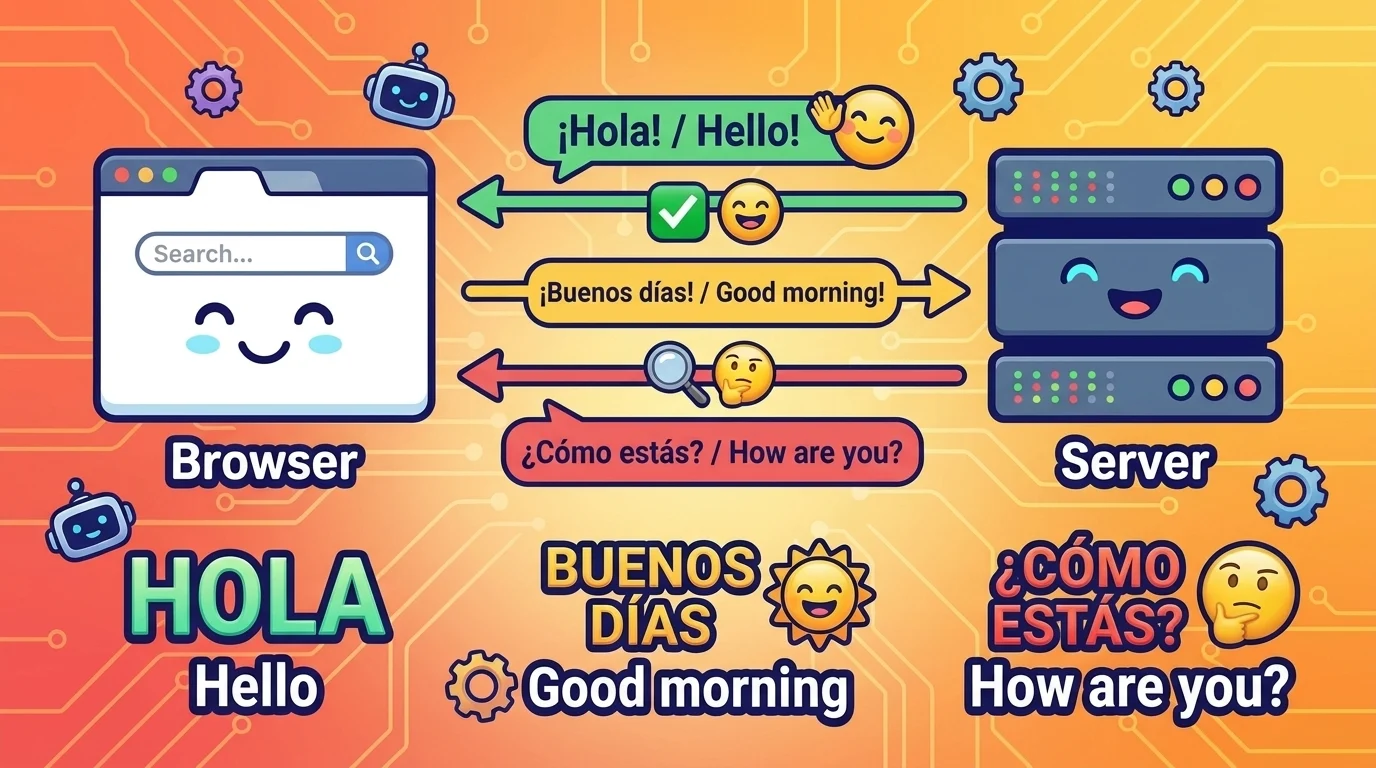
Spanish greetings and responses are everyday phrases like Hola, Buenos días, and ¿Cómo estás? paired with replies like Bien, gracias or Todo bien.Hola, Buenos días, ¿Qué tal?, Bien gracias, and Hasta luego.
Ever said “Hola” and then panicked because you had no idea what to say next? Spanish greetings and responses are the secret sauce behind every smooth chat, whether you are texting a crush, meeting a boss, or ordering tacos in Mexico City. They set the mood before the real conversation even starts, and they tell people whether you are friendly, formal, or just there for the food.
The right reply can make you sound warm, confident, or professional in seconds. This guide gives you 180 ready to use phrases sorted by tone, so you never freeze after “¿Cómo estás?” again. From formal office talk to flirty DMs and funny group chats, these lines cover every vibe. Save it, share it, and become the person who always knows what to say.
Formal Spanish Greetings And Responses
- Buenos días, ¿cómo está usted? (Good morning, how are you?)
Example: Use this when greeting a boss, teacher, or elder in the morning.
Meaning: A respectful morning greeting that shows good manners. - Buenas tardes, ¿cómo se encuentra? (Good afternoon, how are you?)
Example: Perfect for a formal afternoon meeting or reception desk.
Meaning: A polite afternoon check-in that keeps distance and respect. - Buenas noches, mucho gusto. (Good evening, nice to meet you.)
Example: Use at a formal dinner or networking event after sunset.
Meaning: A warm but proper evening greeting for new acquaintances. - Encantado de conocerle. (Delighted to meet you, formal.)
Example: Say this when meeting a client or official for the first time.
Meaning: A courteous way to express pleasure at meeting someone. - ¿Cómo está usted hoy? (How are you today, formal?)
Example: Use with a doctor, professor, or senior colleague.
Meaning: A respectful inquiry about someone’s well-being. - Muy bien, gracias. ¿Y usted? (Very well, thank you. And you?)
Example: Reply to a formal greeting and return the courtesy.
Meaning: A polished response that keeps the conversation balanced. - Bien, gracias por preguntar. (Fine, thanks for asking.)
Example: Use in a formal setting when someone asks about you.
Meaning: A grateful and polite reply that acknowledges their attention. - Es un placer saludarle. (It is a pleasure to greet you.)
Example: Say this when entering a formal office or meeting.
Meaning: A refined greeting that signals respect and warmth. - ¿Qué tal está su familia? (How is your family?)
Example: Use with a trusted formal contact after some time.
Meaning: A considerate question that shows you care beyond business. - Todo bien, gracias a Dios. (All good, thank God.)
Example: A common formal response among older Spanish speakers.
Meaning: A grateful reply that adds cultural warmth. - Hasta luego, que tenga buen día. (See you later, have a good day.)
Example: Use when leaving a formal appointment or office.
Meaning: A polite goodbye that wishes the other person well. - Igualmente, hasta pronto. (Likewise, see you soon.)
Example: Reply when someone wishes you a good day in a formal context.
Meaning: A courteous mirror response that closes the exchange nicely.
Informal Spanish Greetings And Responses
- ¡Hola! ¿Qué tal? (Hi! How’s it going?)
Example: Use with friends in a casual text or DM.
Meaning: A friendly opener that invites a relaxed reply. - ¿Qué pasa, amigo? (What’s up, friend?)
Example: Say this when running into a buddy on the street.
Meaning: A casual greeting that feels warm and familiar. - ¿Qué onda? (What’s up? slang)
Example: Use with close friends in Mexico or among young Spanish speakers.
Meaning: A laid-back slang greeting that signals you are chill. - ¿Cómo andas? (How are you doing?)
Example: Perfect for checking in on a friend you have not seen in a while.
Meaning: A gentle way to ask how life is treating them. - ¿Qué cuentas? (What’s new?)
Example: Use when you want to catch up without being too serious.
Meaning: An open invitation to share news or stories. - ¿Todo bien? (Everything good?)
Example: Send this when a friend seems quiet or distant.
Meaning: A caring check-in that shows you notice them. - Bien, ¿y tú? (Good, and you?)
Example: The classic reply to almost any informal greeting.
Meaning: A simple way to keep the conversation moving. - Aquí andamos. (Here we are, hanging in.)
Example: Use when life is normal and you have no big updates.
Meaning: A relaxed reply that says you are doing okay. - Más o menos. (So-so.)
Example: Say this when you are not great but do not want to overshare.
Meaning: An honest but low-key response to “How are you?” - Todo tranquilo. (All chill.)
Example: Use when your day is calm and stress-free.
Meaning: A peaceful reply that matches a laid-back mood. - Nos vemos, cuídate. (See you, take care.)
Example: Perfect for ending a casual chat with a friend.
Meaning: A warm goodbye that shows you care. - Chao, hablamos. (Bye, talk later.)
Example: Use when you are leaving a group chat or quick convo.
Meaning: A friendly exit that leaves the door open.
Funny Spanish Greetings And Responses
- ¡Hola, humano! (Hello, human!)
Example: Use with friends who love silly humor.
Meaning: A playful greeting that instantly sets a goofy tone. - ¿Qué tal, leyenda? (How’s it going, legend?)
Example: Say this to a friend who did something impressive.
Meaning: A funny compliment disguised as a greeting. - Buenos días, aunque yo no funciono antes del café. (Good morning, though I don’t function before coffee.)
Example: Send this in the morning when you are still waking up.
Meaning: A relatable joke about needing caffeine first. - ¿Cómo estás? Yo, sobreviviendo. (How are you? Me, surviving.)
Example: Use when life is chaotic but you can laugh about it.
Meaning: A humorous way to say you are managing. - Bien, gracias, aunque mi cama me extraña. (Fine, thanks, though my bed misses me.)
Example: Perfect for a lazy weekend morning text.
Meaning: A funny excuse for wanting to stay in bed. - ¿Qué onda? Aquí, evitando responsabilidades. (What’s up? Here, avoiding responsibilities.)
Example: Use when you are procrastinating instead of working.
Meaning: A cheeky confession that everyone understands. - Más o menos, como el WiFi del vecino. (So-so, like the neighbor’s WiFi.)
Example: Say this when your mood is unstable and unreliable.
Meaning: A clever comparison that makes people laugh. - Todo bien, no me quejo, bueno, un poco sí. (All good, I don’t complain, well, a little.)
Example: Use when you want to be honest but still funny.
Meaning: A playful back-and-forth with yourself. - Hola, ¿tú también evitando tus tareas? (Hi, are you also avoiding your tasks?)
Example: Send this to a friend who is always procrastinating.
Meaning: A funny way to bond over shared laziness. - ¿Qué tal? Mi energía dice 1%. (How’s it going? My energy says 1%.)
Example: Use when you are running on fumes but still texting.
Meaning: A relatable joke about being drained. - Nos vemos, me voy a pensar en dormir. (See you, I’m off to think about sleeping.)
Example: Perfect for leaving a late-night chat.
Meaning: A humorous way to say you are exhausted. - Adiós, no olvides hidratarte. (Bye, don’t forget to hydrate.)
Example: Use when you want to leave with a funny caring note.
Meaning: A silly goodbye that still shows you care.
Flirty Spanish Greetings And Responses
- Hola, guapo. ¿Cómo estás? (Hi, handsome. How are you?)
Example: Use when texting a guy you like.
Meaning: A bold opener that mixes greeting with a compliment. - Buenas, ¿qué tal? Me alegraste el día. (Hey, how’s it going? You made my day.)
Example: Send this after they text you first.
Meaning: A flirty way to show they already made an impact. - ¿Cómo estás, preciosa? (How are you, beautiful?)
Example: Use when greeting a girl you are interested in.
Meaning: A charming check-in that feels personal. - Hola, ¿qué haces? Pensé en ti. (Hi, what are you doing? I thought of you.)
Example: Perfect for starting a spontaneous flirty chat.
Meaning: A sweet confession that invites a reply. - ¿Qué tal, corazón? (How’s it going, sweetheart?)
Example: Use with someone you are dating or crushing on.
Meaning: A warm pet name that makes the greeting feel intimate. - Bien, gracias, pero mejor ahora que te veo. (Fine, thanks, but better now that I see you.)
Example: Reply when they ask how you are.
Meaning: A smooth line that turns a simple answer into flirtation. - ¿Y tú, cómo andas? Guapísimo seguro. (And you, how are you? Handsome for sure.)
Example: Use when you want to tease and compliment at once.
Meaning: A playful assumption that keeps the energy light. - Hola, ¿me extrañas? (Hi, do you miss me?)
Example: Send this when you want to test the vibe.
Meaning: A flirty question that invites a bold answer. - ¿Qué pasa, bombón? (What’s up, cutie?)
Example: Use with someone you are casually flirting with.
Meaning: A sweet nickname that makes the greeting feel special. - Todo bien, pero faltas tú. (All good, but you’re missing.)
Example: Reply when they ask how you are.
Meaning: A romantic hint that they complete your day. - Nos vemos, no me dejes esperando. (See you, don’t leave me waiting.)
Example: Use when ending a chat but wanting them to text back.
Meaning: A flirty goodbye that builds anticipation. - Hasta luego, sueña conmigo. (See you later, dream about me.)
Example: Perfect for a late-night flirty text.
Meaning: A bold and playful way to sign off.
Polite Spanish Greetings And Responses
- Buenos días, ¿cómo está? (Good morning, how are you?)
Example: Use with neighbors, shopkeepers, or acquaintances.
Meaning: A kind morning greeting that feels respectful. - Buenas tardes, un gusto saludarle. (Good afternoon, a pleasure to greet you.)
Example: Say this when entering a quiet office or waiting room.
Meaning: A courteous afternoon hello that shows good manners. - ¿Cómo se encuentra hoy? (How are you today?)
Example: Use with someone older or someone you just met.
Meaning: A polite way to ask about their well-being. - Muy bien, gracias. ¿Y usted? (Very well, thank you. And you?)
Example: Reply to a polite greeting and return the question.
Meaning: A balanced response that keeps the courtesy going. - Bien, muchas gracias por preguntar. (Fine, thank you very much for asking.)
Example: Use when someone kindly asks about you.
Meaning: A grateful reply that acknowledges their kindness. - Es un placer verle. (It is a pleasure to see you.)
Example: Say this when meeting a familiar face in a formal setting.
Meaning: A warm but proper way to show you are happy to see them. - ¿Qué tal su día? (How is your day?)
Example: Use in a polite chat with a colleague or client.
Meaning: A gentle question that shows interest without being nosy. - Todo bien, gracias. (All good, thanks.)
Example: A simple reply when you do not want to overcomplicate things.
Meaning: A polite and positive answer that closes the loop. - Disculpe, buenos días, ¿me permite? (Excuse me, good morning, may I?)
Example: Use when interrupting politely to ask a question.
Meaning: A respectful way to get someone’s attention. - Con permiso, buenas tardes. (Excuse me, good afternoon.)
Example: Say this when passing by someone or leaving a room.
Meaning: A courteous phrase that shows awareness of others. - Hasta luego, que tenga buen día. (See you later, have a good day.)
Example: Use when leaving a store, office, or polite conversation.
Meaning: A kind goodbye that wishes them well. - Igualmente, muchas gracias. (Likewise, thank you very much.)
Example: Reply when someone wishes you a good day.
Meaning: A polite mirror response that ends the exchange warmly.
Professional Spanish Greetings And Responses
- Buenos días, ¿cómo está usted? (Good morning, how are you?)
Example: Use in emails, meetings, or calls with clients.
Meaning: A standard professional opener that shows respect. - Buenas tardes, encantado de conocerle. (Good afternoon, delighted to meet you.)
Example: Say this when meeting a new business contact.
Meaning: A formal introduction that builds instant credibility. - ¿Cómo se encuentra? (How are you?)
Example: Use in a video call before diving into business.
Meaning: A professional check-in that keeps things human. - Muy bien, gracias. ¿Y usted? (Very well, thank you. And you?)
Example: Reply to a formal greeting from a colleague.
Meaning: A polished response that maintains professionalism. - Bien, gracias por su tiempo. (Fine, thank you for your time.)
Example: Use when starting a meeting or interview.
Meaning: A respectful acknowledgment of their schedule. - Es un gusto saludarle. (It is a pleasure to greet you.)
Example: Say this when welcoming a client or partner.
Meaning: A formal greeting that feels warm but not too casual. - ¿Cómo va su proyecto? (How is your project going?)
Example: Use in a follow-up email or quick check-in.
Meaning: A professional question that shows engagement. - Todo en orden, gracias. (All in order, thanks.)
Example: Reply when asked about your work status.
Meaning: A concise and confident professional answer. - Le deseo un excelente día. (I wish you an excellent day.)
Example: Use at the end of a meeting or email.
Meaning: A polished closing that leaves a good impression. - Hasta pronto, que tenga éxito. (See you soon, may you have success.)
Example: Say this when ending a business call.
Meaning: A professional goodbye with a positive wish. - Saludos cordiales. (Kind regards.)
Example: Use as a sign-off in formal emails.
Meaning: A standard professional closing that is warm and respectful. - Quedo atento, gracias. (I remain attentive, thank you.)
Example: Use when waiting for a reply or next steps.
Meaning: A formal way to say you are ready and available.
Cute Spanish Greetings And Responses
- Holita, ¿cómo estás? (Hi there, how are you?)
Example: Use with a close friend or someone you adore.
Meaning: A soft and playful greeting that feels affectionate. - Buenos días, cosita. (Good morning, little cutie.)
Example: Send this to your partner or bestie in the morning.
Meaning: A sweet nickname that makes the greeting extra warm. - ¿Qué tal, ternura? (How’s it going, sweetie?)
Example: Use when you want to be cute and caring.
Meaning: A gentle way to check in on someone you love. - Hola, ¿cómo amaneciste? (Hi, how did you wake up?)
Example: Perfect for a morning text to someone special.
Meaning: A caring question that shows you thought of them first. - Bien, gracias, ¿y tú, linda? (Good, thanks, and you, pretty?)
Example: Reply to a cute greeting from a girl.
Meaning: A sweet response that returns the affection. - Todo bien, mi persona favorita. (All good, my favorite person.)
Example: Use with your best friend or partner.
Meaning: A loving reply that makes them feel special. - ¿Qué haces, precioso? (What are you doing, lovely?)
Example: Send this when you miss someone and want to chat.
Meaning: A cute way to start a conversation. - Aquí, pensando en ti. (Here, thinking of you.)
Example: Reply when they ask what you are doing.
Meaning: A sweet confession that feels warm and honest. - Más o menos, pero ya te vi y mejoré. (So-so, but I saw you and improved.)
Example: Use when their message instantly lifts your mood.
Meaning: A cute compliment hidden in a reply. - Nos vemos, abracitos. (See you, little hugs.)
Example: Use when saying goodbye to someone close.
Meaning: A playful and affectionate way to sign off. - Cuídate mucho, ¿vale? (Take good care, okay?)
Example: Send this when you want them to feel loved.
Meaning: A caring goodbye that feels gentle and sweet. - Adiós, que sueñes bonito. (Bye, sweet dreams.)
Example: Perfect for a late-night text to someone special.
Meaning: A tender closing that leaves a warm feeling.
Chill Spanish Greetings And Responses
- Hola, ¿qué tal? (Hi, how’s it going?)
Example: Use with anyone when you want a relaxed vibe.
Meaning: A simple and easy opener that fits almost any situation. - ¿Qué pasa? (What’s up?)
Example: Send this to a friend when you are just checking in.
Meaning: A casual greeting that does not demand a long reply. - ¿Qué onda? (What’s up?)
Example: Use with close friends in a laid-back chat.
Meaning: A slang greeting that says you are keeping it easy. - ¿Cómo andas? (How are you doing?)
Example: Perfect for a quick text to a friend you have not seen.
Meaning: A friendly check-in that feels natural and light. - Todo bien, ¿y tú? (All good, and you?)
Example: Reply when you have nothing dramatic to share.
Meaning: A calm response that keeps the conversation going. - Bien, aquí en la paz. (Good, here in peace.)
Example: Use when your day is quiet and you want to stay that way.
Meaning: A relaxed reply that matches a peaceful mood. - Más o menos, pero tranqui. (So-so, but chill.)
Example: Say this when things are not perfect but you are not stressed.
Meaning: An honest answer with a laid-back twist. - Aquí, sin prisa. (Here, no rush.)
Example: Use when you are taking your time and enjoying the moment.
Meaning: A slow and easy response that feels calm. - ¿Qué cuentas? (What’s new?)
Example: Send this when you want to catch up without pressure.
Meaning: A casual invitation to share whatever comes to mind. - Nada nuevo, todo igual. (Nothing new, all the same.)
Example: Reply when life is steady and simple.
Meaning: A chill answer that keeps expectations low. - Nos vemos, cuídate. (See you, take care.)
Example: Use when ending a relaxed chat with a friend.
Meaning: A friendly goodbye that feels natural. - Chao, luego hablamos. (Bye, talk later.)
Example: Perfect for leaving a conversation without making it awkward.
Meaning: A casual exit that leaves the door open.
Confident Spanish Greetings And Responses
- Hola, ¿cómo estás? Yo, excelente. (Hi, how are you? Me, excellent.)
Example: Use when you want to project positive energy.
Meaning: A bold greeting that shows you are doing great. - Buenos días, listo para ganar. (Good morning, ready to win.)
Example: Send this before a big meeting or workout.
Meaning: A motivated morning greeting that sets a strong tone. - ¿Qué tal? Yo siempre bien. (How’s it going? I’m always good.)
Example: Use with friends when you want to sound sure of yourself.
Meaning: A confident reply that does not leave room for doubt. - Bien, gracias, aunque ya lo sabía. (Fine, thanks, though I already knew.)
Example: Say this when someone asks how you are and you want to be playful.
Meaning: A self-assured answer with a hint of humor. - Todo bien, como siempre. (All good, as always.)
Example: Use when you want to show consistency and calm.
Meaning: A steady reply that says you have things under control. - ¿Y tú? Espero que a mi nivel. (And you? I hope at my level.)
Example: Send this to a friend who can handle a little teasing.
Meaning: A confident and funny way to return the question. - Aquí, imparable. (Here, unstoppable.)
Example: Use when you are in a productive and powerful mood.
Meaning: A strong reply that shows momentum. - Más que bien, gracias. (Better than good, thanks.)
Example: Reply when you want to sound upbeat and secure.
Meaning: A positive answer that goes beyond the usual. - ¿Qué pasa? Todo bajo control. (What’s up? Everything under control.)
Example: Use when you want to reassure someone you are fine.
Meaning: A calm and confident status update. - Nos vemos, sigue brillando. (See you, keep shining.)
Example: Say this to a friend who needs encouragement.
Meaning: A supportive goodbye that lifts them up. - Hasta luego, no bajes el ritmo. (See you later, don’t slow down.)
Example: Use when leaving a motivated friend or teammate.
Meaning: A confident push to keep going strong. - Adiós, fue un placer como siempre. (Bye, it was a pleasure as always.)
Example: Perfect for ending a good conversation with style.
Meaning: A polished goodbye that leaves a strong impression.
Emotional Spanish Greetings And Responses
- Hola, ¿cómo estás? Te extrañé. (Hi, how are you? I missed you.)
Example: Use when reuniting with someone you truly care about.
Meaning: An honest greeting that shows vulnerability. - Buenos días, hoy me siento sensible. (Good morning, today I feel sensitive.)
Example: Send this to a close friend who understands you.
Meaning: A real check-in that shares your emotional state. - ¿Qué tal? Necesitaba hablar contigo. (How’s it going? I needed to talk to you.)
Example: Use when you have been holding something in.
Meaning: A gentle way to ask for support. - Bien, gracias, aunque por dentro no tanto. (Fine, thanks, though inside not so much.)
Example: Reply when you are not ready to fake a perfect answer.
Meaning: An honest response that invites deeper conversation. - Todo bien, solo pensativo. (All good, just thoughtful.)
Example: Use when you are quiet but not upset.
Meaning: A soft way to explain your mood. - ¿Y tú? Me preocupas. (And you? You worry me.)
Example: Send this when someone has been distant.
Meaning: A caring question that shows you pay attention. - Aquí, con el corazón en la mano. (Here, with my heart in my hand.)
Example: Use when you want to be fully open with someone.
Meaning: A poetic way to say you are being honest and raw. - Más o menos, pero gracias por preguntar. (So-so, but thanks for asking.)
Example: Reply when you are struggling but still grateful.
Meaning: A balanced answer that mixes honesty and appreciation. - ¿Estás bien? De verdad. (Are you okay? Really.)
Example: Use when you sense something is wrong.
Meaning: A sincere check-in that goes beyond small talk. - Nos vemos, cuídate mucho. (See you, take good care.)
Example: Say this when you are worried about someone.
Meaning: A heartfelt goodbye that carries real concern. - Hasta pronto, te llevo en el corazón. (See you soon, I carry you in my heart.)
Example: Use when parting from someone you love.
Meaning: A tender farewell that expresses deep affection. - Adiós, no olvides que me importas. (Bye, don’t forget that you matter to me.)
Example: Send this when you want them to feel valued.
Meaning: A loving reminder that they are important to you.
Sweet Spanish Greetings And Responses
- Hola, mi amor, ¿cómo estás? (Hi, my love, how are you?)
Example: Use with your partner or someone very close.
Meaning: A tender greeting that feels intimate and warm. - Buenos días, que tengas un lindo día. (Good morning, have a lovely day.)
Example: Send this to someone you want to brighten their morning.
Meaning: A gentle wish that shows you care. - ¿Qué tal, dulzura? (How’s it going, sweetness?)
Example: Use with a loved one when you want to be affectionate.
Meaning: A sugary nickname that makes the greeting feel special. - Bien, gracias, pensando en ti. (Good, thanks, thinking of you.)
Example: Reply when they ask how you are.
Meaning: A sweet confession that makes the moment romantic. - Todo bien, especialmente si tú estás bien. (All good, especially if you are good.)
Example: Use when their well-being matters more than yours.
Meaning: A caring reply that puts them first. - ¿Y tú, mi vida? (And you, my life?)
Example: Send this to your partner in a loving text.
Meaning: A deep pet name that shows strong affection. - Aquí, extrañándote bonito. (Here, missing you sweetly.)
Example: Use when you are apart and want to share your feelings.
Meaning: A soft way to say you miss them without being sad. - Más o menos, pero tú me alegras. (So-so, but you cheer me up.)
Example: Reply when your day is average but they make it better.
Meaning: A sweet compliment wrapped in an honest answer. - ¿Cómo amaneciste, corazón? (How did you wake up, sweetheart?)
Example: Perfect for a morning message to someone you love.
Meaning: A caring question that feels warm and personal. - Nos vemos, te mando un abrazo. (See you, sending you a hug.)
Example: Use when saying goodbye to a close friend or partner.
Meaning: A loving farewell that feels physical and kind. - Cuídate, mi persona favorita. (Take care, my favorite person.)
Example: Send this to someone who means the world to you.
Meaning: A sweet goodbye that makes them feel chosen. - Adiós, que tengas dulces sueños. (Bye, may you have sweet dreams.)
Example: Perfect for a late-night text to someone special.
Meaning: A tender closing that leaves a warm feeling.
Clever Spanish Greetings And Responses
- Hola, ¿cómo estás? Yo, resolviendo misterios. (Hi, how are you? Me, solving mysteries.)
Example: Use when you want to sound smart and playful.
Meaning: A witty greeting that makes everyday life sound like an adventure. - Buenos días, el café ya hizo su magia. (Good morning, coffee already worked its magic.)
Example: Send this when you are finally awake and ready.
Meaning: A clever way to credit caffeine for your good mood. - ¿Qué tal? Mi cerebro dice que sí. (How’s it going? My brain says yes.)
Example: Use when you are feeling sharp and decisive.
Meaning: A smart reply that sounds confident and funny. - Bien, gracias, como un plan bien ejecutado. (Fine, thanks, like a well-executed plan.)
Example: Reply when everything is going smoothly.
Meaning: A clever comparison that shows you are in control. - Todo bien, sin errores 404. (All good, no 404 errors.)
Example: Use with tech friends or anyone who loves internet humor.
Meaning: A witty way to say there are no problems. - ¿Y tú? Espero que con buena señal. (And you? I hope with good signal.)
Example: Send this when you want a smart and playful check-in.
Meaning: A clever metaphor about staying connected. - Aquí, actualizando mi software mental. (Here, updating my mental software.)
Example: Use when you are learning something new or recharging.
Meaning: A smart way to say you are improving yourself. - Más o menos, pero dentro del promedio. (So-so, but within average.)
Example: Reply when you want to be honest with a clever twist.
Meaning: A logical answer that keeps things light. - ¿Qué cuentas? Datos, no dramas. (What’s new? Data, not drama.)
Example: Use when you want to keep the conversation rational.
Meaning: A clever request for facts over feelings. - Nos vemos, sigue programando tu éxito. (See you, keep coding your success.)
Example: Say this to a friend who is building something big.
Meaning: A smart goodbye that encourages progress. - Hasta luego, que la lógica te acompañe. (See you later, may logic be with you.)
Example: Use with friends who love science or tech.
Meaning: A clever twist on a classic blessing. - Adiós, recuerda guardar la partida. (Bye, remember to save the game.)
Example: Perfect for gamers and anyone who loves a smart joke.
Meaning: A witty reminder to protect your progress.
Sarcastic Spanish Greetings And Responses
- Hola, ¿cómo estás? Seguro perfecto. (Hi, how are you? Surely perfect.)
Example: Use with a friend who always claims to be fine.
Meaning: A playful jab that calls out their predictable answer. - Buenos días, qué milagro verte despierto. (Good morning, what a miracle to see you awake.)
Example: Send this to someone who always sleeps in.
Meaning: A sarcastic morning greeting that teases their schedule. - ¿Qué tal? Yo, sorprendentemente bien. (How’s it going? Me, surprisingly well.)
Example: Use when you want to sound mock amazed at your own mood.
Meaning: A dry joke that hides genuine good news. - Bien, gracias, aunque nadie lo note. (Fine, thanks, though nobody notices.)
Example: Reply when you feel overlooked but want to laugh about it.
Meaning: A sarcastic answer that seeks a little attention. - Todo bien, como siempre, obviamente. (All good, as always, obviously.)
Example: Use when someone asks a question with an obvious answer.
Meaning: A dry reply that gently mocks the question. - ¿Y tú? Seguro sin problemas. (And you? Surely no problems.)
Example: Send this to someone who never admits they are struggling.
Meaning: A sarcastic check-in that invites honesty. - Aquí, viviendo el sueño, más o menos. (Here, living the dream, more or less.)
Example: Use when life is messy but you can still joke.
Meaning: A classic sarcastic response to “How are you?” - Más o menos, pero no te importa. (So-so, but you don’t care.)
Example: Reply when you want to be a little dramatic and funny.
Meaning: A sarcastic way to say you know they are not really listening. - ¿Qué cuentas? Seguro nada nuevo. (What’s new? Surely nothing new.)
Example: Use with a friend who always says the same things.
Meaning: A teasing greeting that predicts their answer. - Nos vemos, no te olvides de mí. (See you, don’t forget me.)
Example: Say this when you want to be playfully dramatic.
Meaning: A sarcastic goodbye that hides real affection. - Hasta luego, si te acuerdas. (See you later, if you remember.)
Example: Use with someone who is forgetful.
Meaning: A witty farewell that gently teases them. - Adiós, qué pena que te vayas. (Bye, what a shame you’re leaving.)
Example: Send this when you are actually relieved they are going.
Meaning: A sarcastic goodbye that says the opposite of what it means.
Dramatic Spanish Greetings And Responses
- Hola, ¿cómo estás? Mi mundo depende de tu respuesta. (Hi, how are you? My world depends on your answer.)
Example: Use when you want to be over the top and funny.
Meaning: A dramatic greeting that turns small talk into a soap opera. - Buenos días, hoy desperté con destino. (Good morning, today I woke up with destiny.)
Example: Send this when you are feeling extra and motivated.
Meaning: A theatrical way to start the day. - ¿Qué tal? Mi corazón está en suspenso. (How’s it going? My heart is in suspense.)
Example: Use when you are waiting for important news.
Meaning: A dramatic check-in that makes everything feel cinematic. - Bien, gracias, pero mi alma llora un poco. (Fine, thanks, but my soul cries a little.)
Example: Reply when you want to be honest but also theatrical.
Meaning: A dramatic answer that mixes humor and real emotion. - Todo bien, aunque el drama me llama. (All good, though drama calls me.)
Example: Use when life is calm but you miss excitement.
Meaning: A playful way to say you are ready for something big. - ¿Y tú? Dime que estás bien o no podré dormir. (And you? Tell me you’re okay or I won’t sleep.)
Example: Send this to someone you care about deeply.
Meaning: A dramatic but loving check-in. - Aquí, sobreviviendo a mi propia historia. (Here, surviving my own story.)
Example: Use when you want to make everyday life sound epic.
Meaning: A theatrical reply that turns routine into a saga. - Más o menos, pero es una larga historia. (So-so, but it’s a long story.)
Example: Reply when you want to invite questions without saying too much.
Meaning: A dramatic tease that builds curiosity. - ¿Estás bien? Necesito una respuesta épica. (Are you okay? I need an epic answer.)
Example: Use with a friend who loves drama as much as you do.
Meaning: A grand way to ask for honesty. - Nos vemos, no me dejes en este capítulo. (See you, don’t leave me in this chapter.)
Example: Say this when you want a fun and dramatic goodbye.
Meaning: A theatrical way to say you will miss them. - Hasta pronto, mi guion te necesita. (See you soon, my script needs you.)
Example: Use with a close friend who is part of your daily story.
Meaning: A dramatic compliment that makes them feel important. - Adiós, esto no es un final, es un hasta luego. (Bye, this is not an ending, it’s a see you later.)
Example: Perfect for leaving a conversation with style.
Meaning: A cinematic goodbye that promises more to come.
Romantic Spanish Greetings And Responses
- Hola, mi amor, ¿cómo estás? (Hi, my love, how are you?)
Example: Use with your partner in a morning or evening text.
Meaning: A classic romantic greeting that feels warm and safe. - Buenos días, mi razón para sonreír. (Good morning, my reason to smile.)
Example: Send this to the person who makes your day better.
Meaning: A loving morning message that starts with gratitude. - ¿Qué tal, mi corazón? (How’s it going, my heart?)
Example: Use when you want to be sweet and intimate.
Meaning: A tender pet name that makes the greeting feel special. - Bien, gracias, pero mejor contigo. (Fine, thanks, but better with you.)
Example: Reply when they ask how you are.
Meaning: A romantic answer that says they improve your life. - Todo bien, porque existes. (All good, because you exist.)
Example: Use when you want to be deeply affectionate.
Meaning: A poetic reply that credits them for your happiness. - ¿Y tú, mi cielo? (And you, my sky?)
Example: Send this to your partner in a loving chat.
Meaning: A beautiful nickname that shows deep affection. - Aquí, amándote en silencio. (Here, loving you in silence.)
Example: Use when you are apart and missing them quietly.
Meaning: A soft confession that feels sincere and romantic. - Más o menos, pero tú eres mi todo. (So-so, but you are my everything.)
Example: Reply when your day is average but your love is strong.
Meaning: A romantic answer that puts them at the center. - ¿Cómo amaneciste, mi vida? (How did you wake up, my life?)
Example: Perfect for a morning text to your partner.
Meaning: A caring question that feels intimate and loving. - Nos vemos, te extraño ya. (See you, I miss you already.)
Example: Say this when ending a date or a call.
Meaning: A romantic goodbye that shows how much you care. - Cuídate, eres mi tesoro. (Take care, you are my treasure.)
Example: Use when you want them to feel valued and loved.
Meaning: A precious farewell that expresses deep affection. - Adiós, te amo más que ayer. (Bye, I love you more than yesterday.)
Example: Send this at the end of a sweet conversation.
Meaning: A romantic closing that shows your love keeps growing.
FAQs
What does Spanish greetings and responses mean?
It means common Spanish phrases used to say hello and the replies people give back, like Hola and Bien, gracias.
Are Spanish greetings formal or informal?
Both exist. Use usted for formal settings and tú for friends, family, and casual chats.
How do I respond to ¿Cómo estás?
You can say Bien, gracias, Más o menos, or Todo bien. Then ask ¿Y tú? to keep it going.
What if I do not actually mean the greeting?
Politeness matters. A simple Bien, gracias works even when you are not in the mood to share.
Is humor okay in Spanish greetings?
Yes, with friends and close people. Keep it light and avoid jokes in formal or sad situations.
Can I use these in professional emails?
Yes. Stick to formal options like Buenos días, ¿cómo está usted? and Saludos cordiales.
Conclusion
Spanish greetings and responses are more than words. They are tiny mood makers that shape how people see you. A warm Hola can open a friendship, a polite Buenos días can impress a boss, and a flirty ¿Qué tal, corazón? can spark something special.
Now you have 180 phrases for every vibe, from funny to formal to romantic. Try a few, mix them up, and watch how conversations change. Save this list, share it with a friend, and keep it ready for your next chat. Go out there and greet the world with confidence. You have got this.
