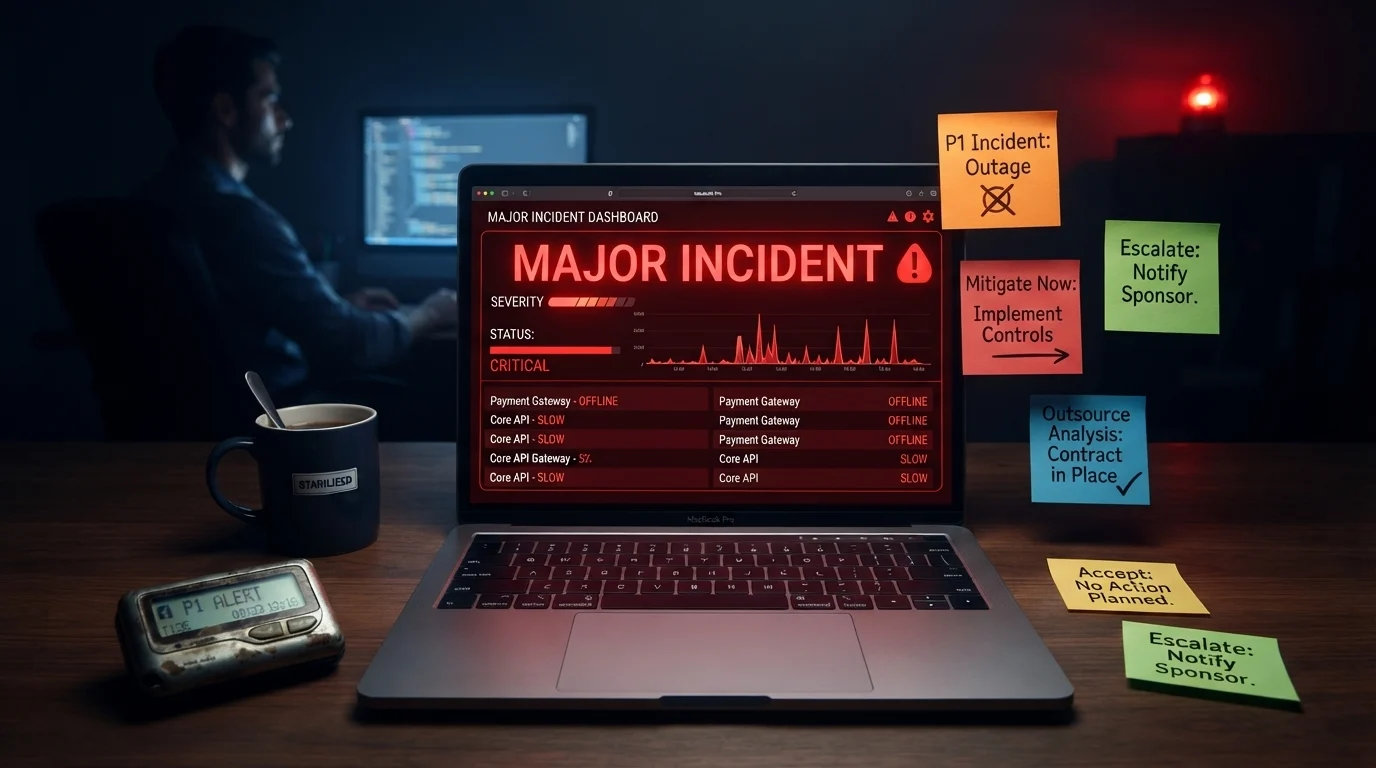
We are aware of the issue and actively investigating, with the next update in 30 minutes.
Top alternatives: we are on it, rollback in progress, impact is contained, monitoring is green, next update at the top of the hour.
It is 2 AM, your phone buzzes, and the checkout page is throwing 500s. Suddenly you are the voice on the bridge call and everyone wants answers right now. That is the exact moment IT incident response stops being a runbook and becomes a conversation.
Whether you are pinging your team in Slack, calming a client over email, or posting a status page update, your words set the tone for the whole recovery. Say it wrong and panic spreads through the channel. Say it right and people trust you to fix it.
So here are 180+ ready to send lines, sorted by mood, so you never freeze on the bridge again.
Funny Responses
- We are not down. We are having a surprise maintenance window nobody approved.
- Example: Drop this in the team channel when the site is clearly offline and everyone needs a laugh.
- Meaning: It breaks the tension without hiding the fact that something is broken.
- Plot twist: the server needed a nap and took one without asking.
- Example: Use it when a service restarted itself and you are still digging through logs.
- Meaning: It makes a frustrating situation feel lighter and more human.
- Good news: the outage is being extremely consistent.
- Example: Post this when the failure is happening 100 percent of the time and there is no confusion.
- Meaning: It adds dry humor while confirming the issue is confirmed and real.
- Our uptime just took a personality break.
- Example: Send it in the internal chat while the dashboard sits fully red.
- Meaning: It signals you are aware and handling it without spiraling.
- The cloud is fine. It is just moody today.
- Example: Perfect for when a cloud provider is having a rough regional morning.
- Meaning: It shifts blame away from your team while staying honest about the outage.
- We found the problem. It was us. It is always us.
- Example: Use this after a bad config push takes down a service.
- Meaning: It owns the mistake with humor instead of defensiveness.
- Currently rebooting my will to live and also the API.
- Example: Send it on hour three of a long incident when the team needs a mood reset.
- Meaning: It validates the exhaustion everyone on the call is feeling.
- Yes the site is down. No, I have not tried turning it off and on. Yet.
- Example: Reply to the tenth person asking if you restarted the servers.
- Meaning: It answers the question with wit and stops the repeat pings.
- The intern did not do it. The intern never does it. Suspicious.
- Example: Use it in a friendly team chat when people start guessing who caused it.
- Meaning: It deflects blame humorously while keeping the focus on the fix.
- Status update: vibes degraded, coffee critical.
- Example: A quick one liner for the incident channel during a long night.
- Meaning: It gives the team a shared laugh and signals you are still in it.
- We are experiencing a brief moment of character development.
- Example: Post it when the platform goes down right before a big launch.
- Meaning: It frames a painful moment as growth instead of disaster.
- Ticket title updated to: the thing that should not be broken is broken.
- Example: Use it when a core service nobody expected to fail suddenly fails.
- Meaning: It keeps the ticket light while clearly logging the issue.
Brutal Responses
- The outage is real. The ETA is not. Pick one to believe.
- Example: Use it when leadership keeps asking for a hard resolution time you cannot give.
- Meaning: It sets boundaries while staying honest about uncertainty.
- We broke it. We own it. Fixing now.
- Example: Post this the moment a bad deploy is confirmed as the cause.
- Meaning: It removes excuses and shows accountability fast.
- Stop asking for updates. I will post the second there is news.
- Example: Reply when the incident channel is flooded with the same question.
- Meaning: It protects your focus and keeps communication clean.
- No, it is not a hacker. It is a config file.
- Example: Use it when someone jumps to a dramatic security theory.
- Meaning: It shuts down speculation with a factual correction.
- If you pushed to prod on a Friday, this is your reminder.
- Example: Post it after a weekend outage caused by an untested release.
- Meaning: It delivers a lesson with a sharp but fair edge.
- We do not need theories. We need logs.
- Example: Use it when the call turns into a guessing game instead of debugging.
- Meaning: It redirects the room toward evidence and action.
- Rollback now, blame later.
- Example: Say this when the team is debating causes while users are locked out.
- Meaning: It prioritizes recovery over finger pointing.
- Every minute we debate, users are staring at a spinner.
- Example: Use it when a decision is dragging on during a live outage.
- Meaning: It reframes the debate around real customer impact.
- The workaround is: wait.
- Example: Reply when someone asks for a fix that does not exist yet.
- Meaning: It is honest, blunt, and saves everyone time.
- I have zero patience and full access. Let me work.
- Example: Send it when you are the only one who can fix the issue right now.
- Meaning: It claims the space you need to actually solve the problem.
- This is not a mystery. It is a checklist we skipped.
- Example: Use it after discovering a missed pre deploy step caused the outage.
- Meaning: It points to process gaps without insulting anyone directly.
- Yes it is serious. No, panicking is not a skill.
- Example: Post it when the channel energy gets loud and unproductive.
- Meaning: It calms the room while validating the severity.
Professional Responses
- We are aware of the issue and actively investigating. Next update in 30 minutes.
- Example: Use this as your first message in the status channel during any outage.
- Meaning: It buys time and sets a clear communication rhythm.
- Impact is confirmed for a subset of users in the EU region.
- Example: Post it once you have scoped which users are actually affected.
- Meaning: It shows precision and prevents unnecessary panic.
- A rollback is in progress. We will confirm once services are stable.
- Example: Send it after deciding to revert the last deployment.
- Meaning: It tells stakeholders exactly what action is being taken.
- Thank you for flagging. Adding this to the incident channel now.
- Example: Reply to a teammate who reports the issue from support.
- Meaning: It acknowledges the report and routes it correctly.
- Root cause is not yet confirmed. We will share findings in the postmortem.
- Example: Use it when people push for answers before the logs are clear.
- Meaning: It avoids speculation while promising transparency.
- Incident declared at 14:02 UTC. Severity 2. Incident commander assigned.
- Example: Post this in the incident channel at the very start of a formal response.
- Meaning: It creates a clean, timestamped record for later review.
- A customer facing update has been posted to the status page.
- Example: Send it once support and marketing are aligned on messaging.
- Meaning: It confirms external communication is handled.
- We are seeing recovery. Monitoring for the next 60 minutes.
- Example: Use it when error rates drop but you are not ready to close the incident.
- Meaning: It signals progress without declaring premature victory.
- Please route all questions to the incident channel to keep comms clean.
- Example: Post it when side threads start splitting the conversation.
- Meaning: It keeps one source of truth for everyone involved.
- Action items are logged with owners and due dates.
- Example: Share this near the end of the incident before the postmortem.
- Meaning: It shows the response is turning into real follow through.
- We will run a blameless postmortem within 48 hours.
- Example: Include it in your closing update to the wider company.
- Meaning: It builds a culture of learning instead of fear.
- Service is restored. We are keeping the incident open until monitoring is clean.
- Example: Use it when the fix works but you want extra confidence.
- Meaning: It shows discipline and prevents repeat outages.
Calm and Casual Responses
- Yeah we are on it. Grab a coffee, this one is a slow burn.
- Example: Say this on the bridge call when the fix will take an hour or more.
- Meaning: It sets a relaxed but realistic expectation.
- Small fire. Nothing we cannot handle.
- Example: Use it when the impact is limited and the fix is straightforward.
- Meaning: It reassures the room without overpromising.
- Chill, we have seen worse and we fixed worse.
- Example: Post it when newer teammates start stressing on the call.
- Meaning: It brings confidence and perspective to the channel.
- Updates as they come. No need to refresh every 10 seconds.
- Example: Reply when someone keeps asking if anything changed.
- Meaning: It gently manages impatience and keeps focus on the work.
- I am on the bridge. Talk to me.
- Example: Use it when you join the call and want a clean handover.
- Meaning: It opens the floor and shows you are ready to lead.
- Give me 10 minutes and I will have a clearer picture.
- Example: Say this right after the first alert fires and data is still coming in.
- Meaning: It buys focused time without leaving people hanging.
- Okay, deep breath. Let us go one layer at a time.
- Example: Use it when the debugging session feels scattered.
- Meaning: It brings structure to a chaotic moment.
- Logs first, theories later.
- Example: Post it when the channel fills with guesses.
- Meaning: It keeps the team grounded in evidence.
- We are good. Different kind of good, but good.
- Example: Use it as a lighthearted mid incident update.
- Meaning: It is honest about the situation while keeping morale up.
- Worst case we roll back and lose 20 minutes of work.
- Example: Say it when the team worries about reverting a release.
- Meaning: It frames the fallback plan as acceptable and safe.
- Nobody is getting fired. It is a Tuesday.
- Example: Post it when a junior engineer is clearly panicking.
- Meaning: It removes fear and encourages clear thinking.
- I will ping you the second something changes.
- Example: Use it when a stakeholder needs to step away from the call.
- Meaning: It promises follow up and respects their time.
Confident Responses
- We have got this. Give me 15 minutes.
- Example: Say it at the start of an incident when you already know the playbook.
- Meaning: It projects steady leadership under pressure.
- I know exactly where to look.
- Example: Use it when the symptoms match a problem you have solved before.
- Meaning: It reassures the team that the search is not random.
- Rollback is ready. Say the word.
- Example: Post it once the revert build is staged and tested.
- Meaning: It shows preparation and puts the decision in reach.
- I have fixed this exact issue before.
- Example: Use it when you recognize the error signature immediately.
- Meaning: It builds instant trust with the people watching.
- The fix is in review. Deploying shortly.
- Example: Send it after the patch is written and awaiting approval.
- Meaning: It signals the incident is moving toward resolution.
- We are not guessing. We have the data.
- Example: Post it when dashboards and traces clearly point to the cause.
- Meaning: It replaces speculation with evidence.
- Trust the process. It works.
- Example: Use it when the team wants to skip steps to move faster.
- Meaning: It keeps everyone aligned on the proven method.
- I am taking the lead on this one.
- Example: Say it when the channel needs a clear incident commander.
- Meaning: It removes ambiguity about who is driving.
- We will be back up before the next standup.
- Example: Use it when the timeline is tight and achievable.
- Meaning: It gives a concrete, motivating target.
- This is contained. It will not spread.
- Example: Post it once you have isolated the failing component.
- Meaning: It stops worst case thinking from taking over.
- Everything is documented. Nothing is lost.
- Example: Use it when stakeholders worry about data integrity.
- Meaning: It addresses the biggest fear during an outage.
- Hand me the pager. I will handle it.
- Example: Say it when you are taking over from a tired teammate.
- Meaning: It shows ownership and gives someone a break.
Sarcastic Responses
- Oh great, the weekly tradition continues.
- Example: Post it when the same service fails for the third time this month.
- Meaning: It vents frustration while staying playful.
- Nothing says Monday like a 3 AM pager.
- Example: Use it when the alert fires at the worst possible hour.
- Meaning: It bonds the team through shared suffering.
- Sure, let us blame DNS. It is always DNS.
- Example: Send it when someone throws out a classic guess on the call.
- Meaning: It pokes fun at a well known troubleshooting cliche.
- The dashboard is red. My mood matches.
- Example: Use it in the internal chat during a rough morning.
- Meaning: It is honest about how the incident feels.
- Who needs sleep when you have alerts?
- Example: Post it after a night of repeated pages.
- Meaning: It turns exhaustion into a shared joke.
- Yes, I love a good mystery at 2 AM.
- Example: Use it when the root cause is still unknown deep into the night.
- Meaning: It keeps the tone light when everyone is drained.
- Cool, so the code worked in staging. Staging lies.
- Example: Post it after a release that passed testing fails in production.
- Meaning: It highlights a common engineering truth with humor.
- This is fine. Everything is fine.
- Example: Use it when the whole dashboard is on fire and someone asks how it is going.
- Meaning: It is a shared internet joke that says everything without saying it.
- Let me just consult my crystal ball for the root cause.
- Example: Reply when someone demands an immediate explanation.
- Meaning: It politely pushes back on unrealistic expectations.
- Another day, another deploy that needed supervision.
- Example: Use it after a release causes a small but annoying issue.
- Meaning: It comments on a recurring pattern without drama.
- I see the alert, I see the ticket, I see my evening leaving.
- Example: Post it at 5 PM on a Friday when the pager goes off.
- Meaning: It captures the universal feeling of on call life.
- Great. Add it to the pile.
- Example: Use it when a new issue appears during an existing incident.
- Meaning: It acknowledges the chaos with dry humor.
Polite Responses
- Thanks for your patience while we sort this out.
- Example: Post it to customers or internal users during a longer outage.
- Meaning: It shows respect for their time and frustration.
- Apologies for the disruption. We are working on it right now.
- Example: Use it as an early update on the status page.
- Meaning: It acknowledges the impact and confirms action.
- I appreciate you flagging this so quickly.
- Example: Reply to the person who reported the issue first.
- Meaning: It encourages fast reporting in the future.
- Please let me know if you notice anything else.
- Example: Send it after the main issue is fixed but monitoring continues.
- Meaning: It keeps the feedback loop open.
- Sorry for the short notice on the maintenance window.
- Example: Use it when an emergency fix requires immediate downtime.
- Meaning: It respects stakeholders who planned around availability.
- Thank you for staying on the call.
- Example: Say it at the end of a long bridge session.
- Meaning: It recognizes everyone who gave up their time.
- We appreciate your understanding during this.
- Example: Include it in a customer facing incident email.
- Meaning: It builds goodwill while the team works.
- If it is urgent, feel free to call me directly.
- Example: Offer this to a key stakeholder during a high severity incident.
- Meaning: It keeps critical communication fast and simple.
- Happy to walk you through what happened once we are stable.
- Example: Use it when someone wants a detailed explanation mid incident.
- Meaning: It promises transparency at the right time.
- Thanks for keeping the channel clear for the responders.
- Example: Post it in a large channel where people are spectating.
- Meaning: It politely enforces good incident etiquette.
- We will follow up with a full summary shortly.
- Example: Use it in your closing update to the company.
- Meaning: It sets expectations for the postmortem.
- Your patience genuinely helps us move faster.
- Example: Send it to users waiting on a fix.
- Meaning: It turns patience into part of the solution.
Creative Responses
- The server is having an existential crisis. Therapy in progress.
- Example: Post it in the team channel when a service keeps restarting.
- Meaning: It reframes a technical problem in a memorable way.
- We are performing open heart surgery on a database right now.
- Example: Use it when the fix requires direct intervention on critical data.
- Meaning: It communicates severity in a vivid, human way.
- Think of this as a scheduled nap for the platform.
- Example: Send it to users who are confused about unexpected downtime.
- Meaning: It softens the message without hiding the outage.
- The system took a gap year. We are bringing it back.
- Example: Use it after a longer than expected recovery.
- Meaning: It keeps the tone light during a slow fix.
- Imagine the servers are at a spa. They will return refreshed.
- Example: Post it on social media when a consumer app goes down.
- Meaning: It entertains users and buys time.
- It is not an outage. It is a plot twist.
- Example: Use it as a playful status update during a short incident.
- Meaning: It reframes disruption as part of a bigger story.
- We are basically firefighters with laptops.
- Example: Post it when the team is deep in a high pressure response.
- Meaning: It celebrates the responders and explains the job.
- Error 503: feelings temporarily unavailable.
- Example: Use it as a humorous note in the incident channel.
- Meaning: It puts a meme friendly spin on a technical error.
- The platform is rebooting its personality.
- Example: Send it when a service needs a full restart to recover.
- Meaning: It keeps everyone calm with a light metaphor.
- We are untangling the Christmas lights of code.
- Example: Use it when dependencies are messy and hard to trace.
- Meaning: It explains complexity in a relatable image.
- The cloud sneezed. We are handing it a tissue.
- Example: Post it when a cloud provider has a brief regional blip.
- Meaning: It keeps the mood light while the fix happens.
- Currently teaching the API some manners.
- Example: Use it when an endpoint is returning bad responses.
- Meaning: It makes a dry technical task feel playful.
Cute Responses
- The servers are being a little dramatic today. We are on it.
- Example: Post it in a friendly team chat when a service acts up.
- Meaning: It keeps things warm while confirming action.
- Tiny bug, big feelings. Fixing it now.
- Example: Use it when a small issue is causing outsized user complaints.
- Meaning: It validates the frustration without overreacting.
- Your patience is adorable and very helpful.
- Example: Reply to users waiting calmly for a fix.
- Meaning: It thanks people in a sweet, memorable way.
- We are giving the system a warm blanket and a restart.
- Example: Use it when a simple restart is the actual fix.
- Meaning: It makes a routine action feel caring.
- Small hiccup. Big team. We got you.
- Example: Post it on social media during a minor outage.
- Meaning: It reassures users with warmth and confidence.
- Sorry for the wobble. Back to steady soon.
- Example: Use it in a customer update after brief instability.
- Meaning: It acknowledges the issue gently.
- The dashboard is grumpy. We are cheering it up.
- Example: Send it in the incident channel when metrics look bad.
- Meaning: It keeps morale high during troubleshooting.
- Sending good vibes and clean deploys your way.
- Example: Use it when encouraging a teammate handling the fix.
- Meaning: It offers support in a lighthearted way.
- It is being shy. We are coaxing it back online.
- Example: Post it when a service will not start on the first try.
- Meaning: It explains the delay in a friendly tone.
- Quick nap for the app, then it is back to work.
- Example: Use it when planned or unplanned downtime is short.
- Meaning: It keeps users relaxed about the wait.
- We are patching it with love and hotfixes.
- Example: Send it during a fast fix on a small bug.
- Meaning: It makes engineering work feel human.
- Hang tight, we are almost there.
- Example: Post it near the end of a recovery.
- Meaning: It gives a warm, encouraging nudge.
Dramatic Responses
- Everything is on fire and I am holding a very small bucket.
- Example: Use it when multiple systems fail at the same time.
- Meaning: It captures the chaos in a funny, shareable way.
- The production environment has chosen chaos.
- Example: Post it when the outage is widespread and unpredictable.
- Meaning: It names the situation without blaming anyone.
- I have not slept and the logs are screaming.
- Example: Send it deep into an overnight incident.
- Meaning: It shows commitment while venting honestly.
- We are one deploy away from either glory or doom.
- Example: Use it right before pushing a risky fix.
- Meaning: It builds suspense and signals a big moment.
- The pager went off and so did my soul.
- Example: Post it when an alert interrupts your weekend.
- Meaning: It bonds the on call community through shared pain.
- This is the part of the movie where the music gets intense.
- Example: Use it when the incident hits its peak.
- Meaning: It turns stress into a cinematic moment.
- All hands. All dashboards. All eyes.
- Example: Post it when you are calling everyone into the incident channel.
- Meaning: It signals a full team response.
- The incident channel is now my entire personality.
- Example: Use it after hours of continuous updates.
- Meaning: It jokes about how consuming the response has become.
- I have seen things in these logs tonight.
- Example: Send it after finding a truly bizarre error.
- Meaning: It adds drama to a strange debugging discovery.
- We are in the final boss fight.
- Example: Use it when the fix is nearly complete.
- Meaning: It gives the team a shared sense of momentum.
- Rollback initiated. Prayers optional.
- Example: Post it the moment you trigger a revert.
- Meaning: It builds suspense with a light joke.
- This is not a drill. Okay, technically it is a real incident.
- Example: Use it as a playful opener in the incident channel.
- Meaning: It sets the tone while confirming the severity.
Emotional Responses
- I know this is stressful. We are doing everything we can.
- Example: Say it to a teammate who is clearly overwhelmed.
- Meaning: It acknowledges feelings while staying focused.
- I feel the pressure too. Let us get through it together.
- Example: Use it on the bridge call during a high severity outage.
- Meaning: It builds solidarity instead of distance.
- Thank you for staying calm. It genuinely helps.
- Example: Post it to the team after a tense but controlled response.
- Meaning: It reinforces the behavior you want to see again.
- I am sorry. This one hurt and I know you felt it.
- Example: Say it to a stakeholder after a long disruption.
- Meaning: It shows empathy without making excuses.
- Take a breath. We will figure this out.
- Example: Use it when someone on the call starts spiraling.
- Meaning: It slows the moment down and restores focus.
- Nobody is alone in this. We are all on the bridge.
- Example: Post it when a teammate is handling a hard fix solo.
- Meaning: It reminds everyone they have backup.
- I care about getting this right, not about being right.
- Example: Use it when a debate about fault starts forming.
- Meaning: It redirects energy toward the solution.
- You did the right thing by escalating.
- Example: Reply to someone worried they overreacted.
- Meaning: It removes guilt and encourages fast reporting.
- It is okay to be frustrated. Let us channel it into the fix.
- Example: Say it when the team is visibly annoyed.
- Meaning: It validates emotion and turns it into fuel.
- We will learn from this, and we will be better.
- Example: Use it in the closing message of an incident.
- Meaning: It points toward growth after a hard day.
- I am proud of how this team showed up.
- Example: Post it right after recovery is confirmed.
- Meaning: It recognizes effort and builds trust.
- Whatever happens, we handle it together.
- Example: Say it at the start of a major incident.
- Meaning: It sets a culture of shared ownership.
Clever Responses
- The issue is not the code. It is the assumption behind the code.
- Example: Use it when a fix works in theory but fails in production.
- Meaning: It pushes the team toward deeper thinking.
- We did not lose data. We lost time. Different problem.
- Example: Post it when stakeholders fear the worst.
- Meaning: It clarifies impact with precision.
- If it is intermittent, it is a timing issue or a liar.
- Example: Use it when an error only appears sometimes.
- Meaning: It narrows the debugging path quickly.
- The fastest fix is usually the boring one.
- Example: Say it when the team is chasing an elegant solution.
- Meaning: It encourages simple, reliable action.
- Two systems disagree. One of them is wrong and I know which.
- Example: Use it when dashboards contradict each other.
- Meaning: It shows you are reading the data carefully.
- Cache is just a rumor with good PR.
- Example: Post it when stale data causes user confusion.
- Meaning: It explains a common cause with wit.
- Check what changed in the last hour. It is always that.
- Example: Use it at the start of any new investigation.
- Meaning: It gives the team a fast, reliable starting point.
- The alert is not the problem. The alert is the messenger.
- Example: Say it when someone suggests muting the monitoring.
- Meaning: It refocuses attention on the real cause.
- We do not need a hero. We need a hypothesis.
- Example: Use it when someone tries to fix things by instinct alone.
- Meaning: It promotes method over ego.
- Fix the cause, not the symptom.
- Example: Post it when a quick patch would only hide the issue.
- Meaning: It keeps the response focused on real resolution.
- Everything works until traffic shows up.
- Example: Use it when load testing was never done.
- Meaning: It names a common gap in a memorable line.
- The bug is in the part we did not test.
- Example: Say it after finding an untested edge case caused the outage.
- Meaning: It points to coverage without blaming a person.
Flirty Responses
- You had me at “the site is down”.
- Example: Use it with a coworker you enjoy chatting with during an incident.
- Meaning: It adds playful charm to a tense moment.
- Buy me a coffee and I will tell you the root cause.
- Example: Say it to a teammate after solving a tricky problem.
- Meaning: It turns a win into a light, friendly exchange.
- You bring the logs, I will bring the charm.
- Example: Post it when pairing up to debug together.
- Meaning: It makes teamwork feel fun and easy.
- Our first incident together. How romantic.
- Example: Use it with a new teammate during their first outage.
- Meaning: It breaks the ice in a stressful situation.
- I love a teammate who escalates fast.
- Example: Reply when someone reports an issue quickly.
- Meaning: It praises good behavior with a flirty twist.
- You are the only alert I do not mind at 2 AM.
- Example: Send it to a coworker you enjoy talking to.
- Meaning: It is playful and clearly affectionate.
- Stay on the call. I like your voice on the bridge.
- Example: Use it during a long bridge session with someone you like.
- Meaning: It adds warmth to a work setting.
- Impressive how calm you are under pressure.
- Example: Say it to someone handling a high severity incident well.
- Meaning: It is a genuine compliment with a soft edge.
- We make a good incident response team.
- Example: Post it after resolving a tough outage together.
- Meaning: It hints at chemistry through teamwork.
- You handle outages the way I like it. Quietly and well.
- Example: Use it with a teammate who keeps the channel calm.
- Meaning: It is a charming compliment wrapped in work talk.
- Dinner is on me if we close this in an hour.
- Example: Say it to motivate the team during a long fix.
- Meaning: It turns a deadline into a fun challenge.
- You are the uptime to my downtime.
- Example: Send it as a cute one liner in the team chat.
- Meaning: It is a nerdy, affectionate compliment.
Sweet Responses
- You are doing great. Keep going.
- Example: Send it to a teammate mid incident when energy is dropping.
- Meaning: It offers simple, genuine encouragement.
- Grab water. I will hold the bridge.
- Example: Say it when someone has been on the call for hours.
- Meaning: It shows care through practical action.
- Thank you for jumping in without being asked.
- Example: Post it after a teammate volunteers to help.
- Meaning: It recognizes initiative and generosity.
- You caught it early. That saved us hours.
- Example: Say it to the person who reported the first alert.
- Meaning: It connects their action to a real outcome.
- Go rest. I will take the next shift.
- Example: Use it when handing over an ongoing incident.
- Meaning: It protects people from burnout.
- You are not slowing us down. You are helping.
- Example: Say it to a junior engineer who seems unsure.
- Meaning: It builds confidence and inclusion.
- Proud of this team tonight.
- Example: Post it right after a difficult recovery.
- Meaning: It celebrates collective effort.
- Take five. The alerts can wait 300 seconds.
- Example: Say it during a long incident to force a short break.
- Meaning: It normalizes rest during high pressure work.
- We will get through this and laugh about it later.
- Example: Use it when the team needs perspective.
- Meaning: It promises relief beyond the current moment.
- You handled that with a lot of grace.
- Example: Say it to someone who stayed calm under fire.
- Meaning: It is a sincere, specific compliment.
- I appreciate you more than the status page shows.
- Example: Post it after a teammate goes above and beyond.
- Meaning: It adds humor to genuine gratitude.
- We did it. Go home. You earned it.
- Example: Say it the moment the incident is officially closed.
- Meaning: It ends the response on a warm, human note.
Executive and Stakeholder Responses
- Current status: partial outage. Impact limited to checkout.
- Example: Use it in your first executive update during a live incident.
- Meaning: It gives leaders a clear, scoped picture fast.
- Estimated resolution: 45 minutes. Next update at the top of the hour.
- Example: Post it once the team has a realistic timeline.
- Meaning: It sets expectations and controls the update cadence.
- No data loss. No security breach. Availability only.
- Example: Send it immediately when leaders fear the worst case.
- Meaning: It answers the biggest unspoken questions at once.
- We have contained the issue and recovery is underway.
- Example: Use it once the failure stops spreading.
- Meaning: It signals control and forward motion.
- Business impact is being tracked and will be quantified.
- Example: Post it when finance or product asks about revenue effects.
- Meaning: It promises data instead of guesses.
- We are not speculating on root cause until logs confirm.
- Example: Say it when leadership pushes for an early explanation.
- Meaning: It protects accuracy and credibility.
- Communications are aligned with support and marketing.
- Example: Use it when multiple teams need to speak publicly.
- Meaning: It shows coordination across the company.
- We will publish a postmortem summary within two business days.
- Example: Include it in your closing stakeholder update.
- Meaning: It commits to transparency and follow through.
- Engineering is fully staffed on this. No escalation needed yet.
- Example: Post it when leaders offer extra resources.
- Meaning: It reassures without inflating the response.
- The rollback succeeded. We are validating core flows.
- Example: Send it right after a revert restores service.
- Meaning: It gives a precise, technical progress update.
- Service is restored. Monitoring is green.
- Example: Use it as your final all clear message.
- Meaning: It closes the loop with clarity.
- Thanks for the space to work. We will follow up with next steps.
- Example: Say it to executives who stayed patient during the fix.
- Meaning: It ends the incident with professionalism and goodwill.
FAQs
What does IT incident response actually mean?
It is the whole process of detecting, managing, fixing, and communicating about a technology failure. The words you use are a huge part of it.
Can these lines be used in a flirty way?
Yes, if you are chatting with a coworker you genuinely click with. Keep it light, respectful, and appropriate for your workplace.
Are these okay for formal or professional settings?
Absolutely. The Professional, Polite, and Executive sections are built for status pages, stakeholder emails, and leadership updates.
What if I do not actually mean it when I say “we are on it”?
Do not say it. Use an honest line like “we are investigating and will confirm impact shortly” so people trust your updates.
Is humor appropriate during an incident?
In internal channels, yes, once the situation is stable and people are safe. For customers, keep it warm but professional.
Conclusion
Every outage tells a story, and the person who communicates well becomes the calm in the storm. The right words buy time, build trust, and keep a stressed team moving in the same direction. Try a few of these lines next time the pager goes off and notice how differently people respond. Save this list, share it with your on call crew, and keep it open in a pinned tab.
Whether it is a tiny blip or a full scale IT incident response, you now have a line ready for every moment. Go be the person everyone is glad to see on the bridge.
