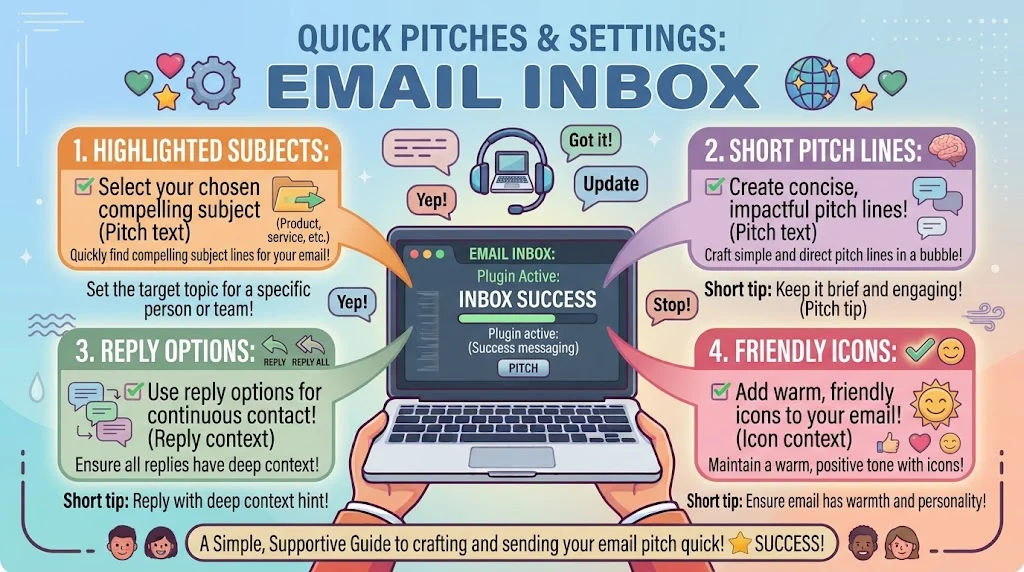
Cold emails that get responses are short, personal, and focused on one clear ask. Try these openers: Quick question about your Q3 goals, Saw your launch and had one idea, Worth 30 seconds, Not sure this is for you, Should I close your file.Quick question, One idea for your team, Worth a look, Should I follow up, Is this relevant.
Cold emails that get responses are not about perfect grammar or fancy templates. They are about sounding like a real person who did two minutes of homework before hitting send. Whether you are pitching a client on LinkedIn, following up after a conference, or sliding into a founder’s inbox, the right words decide whether you get a reply or a silent delete.
Most cold emails die because they read like a press release. No hook, no reason to care, and a wall of text nobody asked for. The replies below fix that. Use them for subject lines, openers, follow-ups, and breakups. Test a few, track what lands, and keep the ones that get answers.
Short And Punchy Responses
- “Worth 30 seconds?”
- Example: Use as a subject line for a quick pitch.
- Meaning: It respects their time and creates curiosity.
- “Quick question about your onboarding flow.”
- Example: Use when you spotted a specific issue on their site.
- Meaning: It shows you did homework before sending.
- “One idea. Two lines. No pitch deck.”
- Example: Use as an opener for busy founders.
- Meaning: It lowers the pressure to commit.
- “Should I send the details or close your file?”
- Example: Use as a polite breakup email.
- Meaning: It forces a clear yes or no.
- “This is not for everyone. Might be for you.”
- Example: Use when qualifying leads.
- Meaning: It flips the dynamic and builds interest.
- “You are probably slammed. I will be quick.”
- Example: Use as the first line of a cold email.
- Meaning: It acknowledges their reality.
- “Saw the launch. One thing stood out.”
- Example: Use after a company announcement.
- Meaning: It proves the email is timely.
- “Is this your area or should I speak to someone else?”
- Example: Use when you are unsure of the right contact.
- Meaning: It saves everyone time.
- “Three sentences. Then you can delete me.”
- Example: Use as a hook for skeptical readers.
- Meaning: It makes a playful promise.
- “Following up once, then I will leave you alone.”
- Example: Use in a second follow-up.
- Meaning: It sets a clear boundary.
- “Bad timing or wrong person?”
- Example: Use after no reply to a first email.
- Meaning: It gives them an easy exit.
- “No reply needed if this is irrelevant.”
- Example: Use when you want to keep it light.
- Meaning: It removes guilt from ignoring it.
Subject Line Responses
- “Your Q3 pipeline, in one line”
- Example: Use when pitching a sales tool.
- Meaning: It names the outcome, not the product.
- “Idea for [Company] hiring page”
- Example: Use when you noticed a slow application flow.
- Meaning: It feels specific and easy to verify.
- “You launched. I noticed something.”
- Example: Use right after a product release.
- Meaning: It creates curiosity without clickbait.
- “Not a pitch, a question”
- Example: Use when your first line is a genuine question.
- Meaning: It lowers defenses.
- “For whoever handles partnerships”
- Example: Use when the contact is unclear.
- Meaning: It helps the email reach the right desk.
- “Two minutes on your pricing page”
- Example: Use when you have a specific audit offer.
- Meaning: It promises a small time commitment.
- “Re: our chat at [event]”
- Example: Use only if you actually met them.
- Meaning: It uses real context, never fake familiarity.
- “Your competitor just did this”
- Example: Use when sharing a market insight.
- Meaning: It taps into competitive awareness.
- “Quick yes or no?”
- Example: Use for a low-stakes ask.
- Meaning: It signals a simple decision.
- “A small fix for your checkout”
- Example: Use when you found a conversion issue.
- Meaning: It leads with value, not features.
- “Wrong person? Tell me who.”
- Example: Use when routing matters.
- Meaning: It makes forwarding easy.
- “Closing your file on Friday”
- Example: Use in a final follow-up.
- Meaning: It creates gentle urgency.
Follow-Up Responses
- “Bumping this once in case it got buried.”
- Example: Use three to five days after the first email.
- Meaning: It is honest and low-pressure.
- “Adding one new detail since my last note.”
- Example: Use when you have fresh proof or a case study.
- Meaning: It gives a reason to reopen the thread.
- “Happy to close the loop either way.”
- Example: Use on a second follow-up.
- Meaning: It offers a graceful exit.
- “Should I check back next quarter instead?”
- Example: Use when timing seems off.
- Meaning: It respects their calendar.
- “Last note from me on this one.”
- Example: Use before you stop reaching out.
- Meaning: It sets a clear end point.
- “Did I get the wrong inbox?”
- Example: Use when you suspect a bad contact.
- Meaning: It invites a redirect.
- “Sending this again with fewer words.”
- Example: Use when the first email was too long.
- Meaning: It shows self-awareness.
- “Quick nudge, no pressure.”
- Example: Use in a casual follow-up.
- Meaning: It keeps the tone friendly.
- “Still interested, or should I stop?”
- Example: Use after two silent weeks.
- Meaning: It asks for a decision politely.
- “New angle, same question.”
- Example: Use when your first approach did not land.
- Meaning: It refreshes the pitch.
- “I will assume the timing is off unless I hear back.”
- Example: Use as a soft final follow-up.
- Meaning: It closes the loop without guilt.
- “Keeping this at the top of your inbox one last time.”
- Example: Use before archiving the lead.
- Meaning: It signals this is the final attempt.
Breakup Email Responses
- “Should I close your file?”
- Example: Use after three unanswered emails.
- Meaning: It triggers a reply through loss aversion.
- “I will stop reaching out after this.”
- Example: Use as the last email in a sequence.
- Meaning: It is respectful and final.
- “Assuming this is a no. Happy to be wrong.”
- Example: Use when you want a clean answer.
- Meaning: It gives them a chance to correct you.
- “Closing the loop on my side.”
- Example: Use when wrapping up a cold sequence.
- Meaning: It ends things professionally.
- “No hard feelings either way.”
- Example: Use in a breakup email to keep goodwill.
- Meaning: It removes pressure.
- “If this is a pass, just say pass.”
- Example: Use with direct buyers.
- Meaning: It asks for honesty.
- “I will take silence as a not right now.”
- Example: Use when you want a clear outcome.
- Meaning: It sets the terms kindly.
- “Parking this until you are ready.”
- Example: Use when timing is the real blocker.
- Meaning: It leaves the door open.
- “Removing you from my follow-up list. Easy fix if I am wrong.”
- Example: Use in a final note.
- Meaning: It invites one last reply.
- “Last email, promise.”
- Example: Use to keep the tone light.
- Meaning: It signals finality with humor.
- “Thank you for the time, even the silence.”
- Example: Use when closing a long sequence.
- Meaning: It stays classy and warm.
- “This is goodbye unless you say otherwise.”
- Example: Use as a strong final line.
- Meaning: It creates a clear decision point.
Personal And Researched Responses
- “I read your post on retention and had one question.”
- Example: Use when referencing a specific piece of content.
- Meaning: It proves the email is not a blast.
- “Noticed you are hiring three AEs. That usually means one thing.”
- Example: Use when tying a signal to a pain point.
- Meaning: It connects research to relevance.
- “Your pricing page changed last week. Smart move.”
- Example: Use when you track small updates.
- Meaning: It shows real attention.
- “Saw your talk at [event]. The part about churn stuck with me.”
- Example: Use after a conference.
- Meaning: It builds instant credibility.
- “Your team posted about the migration. How did it go?”
- Example: Use when a public update invites conversation.
- Meaning: It starts a real dialogue.
- “I tested your demo and hit one snag.”
- Example: Use when you actually used the product.
- Meaning: It leads with helpful feedback.
- “Your job post mentions HubSpot. We built something for that.”
- Example: Use when aligning with their stack.
- Meaning: It makes the pitch feel native.
- “You wrote about cold outreach being broken. Agreed.”
- Example: Use when referencing their opinion.
- Meaning: It creates common ground.
- “Your podcast episode on hiring was great. One follow-up thought.”
- Example: Use when you consume their content.
- Meaning: It opens with genuine engagement.
- “Noticed your review score dipped. Here is what I saw.”
- Example: Use when you have a concrete observation.
- Meaning: It offers value before the ask.
- “Your newsletter mentioned a new market. That is my backyard.”
- Example: Use when geography creates relevance.
- Meaning: It makes the email feel local and real.
- “I checked your careers page and one thing was missing.”
- Example: Use when you have a small, fixable insight.
- Meaning: It is specific and easy to act on.
Value-First Responses
- “Here is a two-minute audit. No strings.”
- Example: Use when you can offer a quick win.
- Meaning: It leads with proof, not promises.
- “I built a sample of what your landing page could look like.”
- Example: Use when pitching design or copy work.
- Meaning: It shows effort instead of claiming expertise.
- “Found three leads that match your ICP. Want them?”
- Example: Use when you can give before you ask.
- Meaning: It makes the ask feel earned.
- “Your competitor ranks for this keyword. Here is how.”
- Example: Use when pitching SEO.
- Meaning: It turns insight into a conversation starter.
- “I fixed one line of your ad copy. Use it free.”
- Example: Use when offering a small improvement.
- Meaning: It is low-effort and high-credibility.
- “This checklist helped two teams like yours. Sending it over.”
- Example: Use when sharing a resource.
- Meaning: It builds trust with no pressure.
- “Your onboarding email has a typo. Also, a bigger issue.”
- Example: Use when you have a real observation.
- Meaning: It shows you paid attention.
- “Here is the template we use. Steal it.”
- Example: Use when you want to stand out.
- Meaning: It builds goodwill fast.
- “I recorded a quick Loom on your funnel.”
- Example: Use when video feedback is welcome.
- Meaning: It is personal and skimmable.
- “Attaching the one-pager. No call needed to read it.”
- Example: Use when you want to remove friction.
- Meaning: It respects their preferred format.
- “You asked about this in a webinar. Here is the answer.”
- Example: Use when you can close a public question loop.
- Meaning: It feels timely and useful.
- “No ask. Just thought this data would help.”
- Example: Use when you want to build a relationship first.
- Meaning: It earns attention over time.
Confident Responses
- “You need this before Q4. Here is why.”
- Example: Use when timing and urgency are real.
- Meaning: It leads with a clear point of view.
- “Three companies like yours fixed this last month.”
- Example: Use when you have social proof.
- Meaning: It makes the outcome feel achievable.
- “I know exactly where your leak is.”
- Example: Use when you have spotted a specific problem.
- Meaning: It signals expertise without fluff.
- “This will save your team about six hours a week.”
- Example: Use when you can quantify the benefit.
- Meaning: It speaks to business outcomes.
- “You are leaving money on the table. Here is the math.”
- Example: Use when you can show numbers.
- Meaning: It makes the case concrete.
- “Most tools do too much. Ours does one thing well.”
- Example: Use when positioning against bloated competitors.
- Meaning: It is honest and memorable.
- “I will not waste your time. Here is the offer.”
- Example: Use when you want to cut to the point.
- Meaning: It respects their attention.
- “Worth a call. I will prove it in ten minutes.”
- Example: Use when you can demo value fast.
- Meaning: It makes a small, confident ask.
- “You already know the problem. I have the fix.”
- Example: Use when the pain point is obvious.
- Meaning: It skips the education phase.
- “If this is not a fit, tell me and I will move on.”
- Example: Use when you want clean qualification.
- Meaning: It shows respect and confidence.
- “I do this for a living. Let me show you once.”
- Example: Use when offering a sample.
- Meaning: It is direct and low-risk.
- “You will know in one paragraph if this matters.”
- Example: Use as a strong opener.
- Meaning: It invites the reader to judge fast.
Polite And Warm Responses
- “Thanks for the work your team puts out. One small idea.”
- Example: Use when you genuinely like their brand.
- Meaning: It opens with warmth.
- “I hope this lands at a good time.”
- Example: Use as a gentle opener.
- Meaning: It acknowledges timing.
- “No rush on this. Just planting a seed.”
- Example: Use when the ask is not urgent.
- Meaning: It removes pressure.
- “I know your inbox is full. I will keep this short.”
- Example: Use as a courtesy opener.
- Meaning: It shows empathy.
- “Even if this is a no, I appreciate you reading.”
- Example: Use in a closing line.
- Meaning: It stays gracious.
- “Happy to send more context if useful.”
- Example: Use when offering to go deeper.
- Meaning: It gives them control.
- “I would love your honest take, even if it is a pass.”
- Example: Use when seeking feedback.
- Meaning: It invites candor.
- “Thank you for the work you do. Quick question below.”
- Example: Use when you respect their craft.
- Meaning: It starts with genuine praise.
- “If someone else is the right fit, feel free to forward.”
- Example: Use when routing may be needed.
- Meaning: It makes forwarding easy.
- “Totally fine if this is not your priority right now.”
- Example: Use when timing is uncertain.
- Meaning: It gives them an out.
- “Looking forward to hearing either way.”
- Example: Use in a follow-up.
- Meaning: It invites a clear answer.
- “Thank you for considering this.”
- Example: Use as a simple close.
- Meaning: It ends on a respectful note.
Funny And Human Responses
- “I promise this is shorter than your last stand-up.”
- Example: Use with startup founders.
- Meaning: It uses shared context for humor.
- “My calendar is empty and my coffee is hot. Say the word.”
- Example: Use when offering a call.
- Meaning: It is playful and low-pressure.
- “I will not pretend we met at a conference. We did not.”
- Example: Use to call out fake familiarity.
- Meaning: It builds trust through honesty.
- “This email is 90 words. You are welcome.”
- Example: Use as a cheeky opener.
- Meaning: It shows awareness of their time.
- “I have rewritten this subject line four times. Here we are.”
- Example: Use when you want to feel human.
- Meaning: It adds relatability.
- “If this is a no, I will go back to my cave.”
- Example: Use in a breakup email.
- Meaning: It keeps rejection light.
- “Not a robot. Just a person with a spreadsheet.”
- Example: Use when the pitch sounds automated.
- Meaning: It is self-aware and warm.
- “You can reply with one word. I will take it from there.”
- Example: Use when asking for a quick yes.
- Meaning: It lowers the effort to respond.
- “I will trade you a free audit for a one-word reply.”
- Example: Use when you want engagement.
- Meaning: It is playful and clear.
- “My follow-up game is strong. My patience is stronger.”
- Example: Use in a second follow-up.
- Meaning: It shows persistence with humor.
- “This is the email equivalent of a knock and a wave.”
- Example: Use as a soft opener.
- Meaning: It keeps things casual.
- “If you made it this far, you deserve the demo link.”
- Example: Use as a closing line.
- Meaning: It rewards attention with a wink.
Creative And Pattern-Interrupt Responses
- “Subject: your homepage, but better”
- Example: Use when you have a design idea ready.
- Meaning: It skips the intro and shows the value.
- “I am not pitching. I am asking.”
- Example: Use when you have a genuine question.
- Meaning: It flips expectations.
- “One screenshot. That is the whole email.”
- Example: Use when a visual makes the point.
- Meaning: It stands out in a text-heavy inbox.
- “This email has three words: worth a look.”
- Example: Use when you want to be memorable.
- Meaning: It uses restraint as a hook.
- “Sent from my notes app at 11pm. Still means it.”
- Example: Use when authenticity matters.
- Meaning: It feels real and unpolished on purpose.
- “I will keep this shorter than a TikTok.”
- Example: Use with younger buyers.
- Meaning: It signals brevity with culture.
- “Your team is doing X. I have a Y for X.”
- Example: Use a simple formula for clarity.
- Meaning: It makes the fit obvious.
- “No deck. No demo. Just this.”
- Example: Use when you want to stand out.
- Meaning: It removes the usual friction.
- “Forwardable email: here is the one-liner for your boss.”
- Example: Use when your contact needs to convince others.
- Meaning: It makes internal selling easy.
- “I wrote this in your customer’s voice. Want to hear it?”
- Example: Use when pitching messaging work.
- Meaning: It shows skill with a sample.
- “This is a two-question email. Here is question one.”
- Example: Use when you want a real dialogue.
- Meaning: It turns a pitch into a conversation.
- “You can ignore this and nothing bad happens. Promise.”
- Example: Use when you want to reduce pressure.
- Meaning: It builds trust through honesty.
Objection-Handling Responses
- “No budget? Then this email is free to ignore.”
- Example: Use when price is likely the blocker.
- Meaning: It acknowledges the reality with grace.
- “Already have a vendor? Great. Here is what they may miss.”
- Example: Use when competing against incumbents.
- Meaning: It reframes rather than attacks.
- “Too busy? That is exactly why this exists.”
- Example: Use when time is the objection.
- Meaning: It connects the pitch to their pain.
- “Not the decision maker? Forwarding takes four seconds.”
- Example: Use when you suspect a gatekeeper.
- Meaning: It makes the next step tiny.
- “If this feels too early, I will circle back in 90 days.”
- Example: Use when timing is the issue.
- Meaning: It sets a specific future touchpoint.
- “Heard this before? Fair. Here is what is different.”
- Example: Use when the category feels crowded.
- Meaning: It earns a second look.
- “Contract locked? Happy to be plan B.”
- Example: Use when they cannot switch now.
- Meaning: It keeps the door open.
- “Skeptical is healthy. Here is one proof point.”
- Example: Use when trust is low.
- Meaning: It leads with evidence.
- “You do not need another tool. You need this one report.”
- Example: Use when tool fatigue is real.
- Meaning: It narrows the ask.
- “No call needed. Reply with a question instead.”
- Example: Use when buyers avoid meetings.
- Meaning: It adapts to their style.
- “If the price is the blocker, say so and I will be honest.”
- Example: Use when negotiating.
- Meaning: It invites direct conversation.
- “Wrong timing is not a no. I will follow up once.”
- Example: Use in a graceful follow-up.
- Meaning: It respects the answer and keeps momentum.
Casual And Conversational Responses
- “Hey, random question for you.”
- Example: Use as an opener with a warm lead.
- Meaning: It feels like a real message.
- “This might be a long shot, but here goes.”
- Example: Use when you are unsure of fit.
- Meaning: It is honest and human.
- “Saw you were hiring. That usually means X.”
- Example: Use when a signal triggers a need.
- Meaning: It connects observation to relevance.
- “Quick one for you before I forget.”
- Example: Use when you want to keep it light.
- Meaning: It mimics natural conversation.
- “You popped up in my feed and I had a thought.”
- Example: Use with social-first contacts.
- Meaning: It explains the outreach source.
- “Not sure if this is your world, but here is the idea.”
- Example: Use when the contact is unsure.
- Meaning: It gives them an easy out.
- “Figured it was worth one email.”
- Example: Use in a low-stakes pitch.
- Meaning: It is humble and direct.
- “I will keep this casual: we should talk.”
- Example: Use when a call feels natural.
- Meaning: It strips the formality.
- “Hope the week is going well. One thing for you.”
- Example: Use as a friendly opener.
- Meaning: It adds warmth without fluff.
- “You seem like the right person for this. Am I close?”
- Example: Use when routing is unclear.
- Meaning: It invites confirmation.
- “No fancy pitch. Just a question.”
- Example: Use when you want a real reply.
- Meaning: It sets a low bar for engagement.
- “Reply with a yes, no, or later. That is it.”
- Example: Use when asking for a decision.
- Meaning: It makes responding effortless.
Subject Line And Opener Responses
- “Your [product] + [our tool] = fewer manual steps”
- Example: Use when integration is the hook.
- Meaning: It shows the outcome in one line.
- “Quick fix for your [specific page]”
- Example: Use when you audited a page.
- Meaning: It is specific and actionable.
- “Noticed something in your last email”
- Example: Use when referencing their newsletter.
- Meaning: It proves personal attention.
- “You just hired a [role]. This might help.”
- Example: Use when hiring signals a need.
- Meaning: It ties outreach to a real event.
- “One line from your site that is costing you leads”
- Example: Use when you have a copy fix.
- Meaning: It leads with a concrete benefit.
- “Your competitor is doing this. You are not.”
- Example: Use when sharing competitive intel.
- Meaning: It creates urgency with facts.
- “This is for whoever owns [process]”
- Example: Use when routing is the challenge.
- Meaning: It helps the email find the owner.
- “I can fix this in one hour”
- Example: Use when you offer a small service.
- Meaning: It makes the commitment feel safe.
- “You are losing signups at step two”
- Example: Use when you found a funnel leak.
- Meaning: It names the problem precisely.
- “One question before I pitch you”
- Example: Use when you want a conversation first.
- Meaning: It flips the usual sequence.
- “Your calendar + my 15 minutes”
- Example: Use when asking for a short call.
- Meaning: It is simple and specific.
- “Should I send the case study or the demo?”
- Example: Use when both options are relevant.
- Meaning: It gives a choice instead of a demand.
FAQs
What makes cold emails get responses?
A short subject line, one clear ask, and a line that proves you did research. Relevance beats cleverness every time.
How long should a cold email be?
Between 50 and 125 words. If it scrolls on a phone, it is too long.
How many follow-ups is too many?
Three to four is plenty. Space them out and always give an easy exit.
Should I use humor in a cold email?
Yes, if it fits the brand. Keep it light and never at the reader’s expense.
What is a breakup email?
A final follow-up that politely closes the loop. Something like “Should I close your file?” often gets replies.
Do personalization tokens count as personalization?
No. Real research, like a specific page or post, lands better than a first-name merge field.
Conclusion
Cold emails that get responses are not magic. They are short, human, and built on one clear idea. Lead with relevance, keep the ask small, and give people an easy way to say no. Test subject lines, swap openers, and track which follow-ups land.
The more you sound like a person and less like a template, the better your reply rate will be. Save this list, share it with your team, and try three new lines this week. Your next reply is closer than you think.
