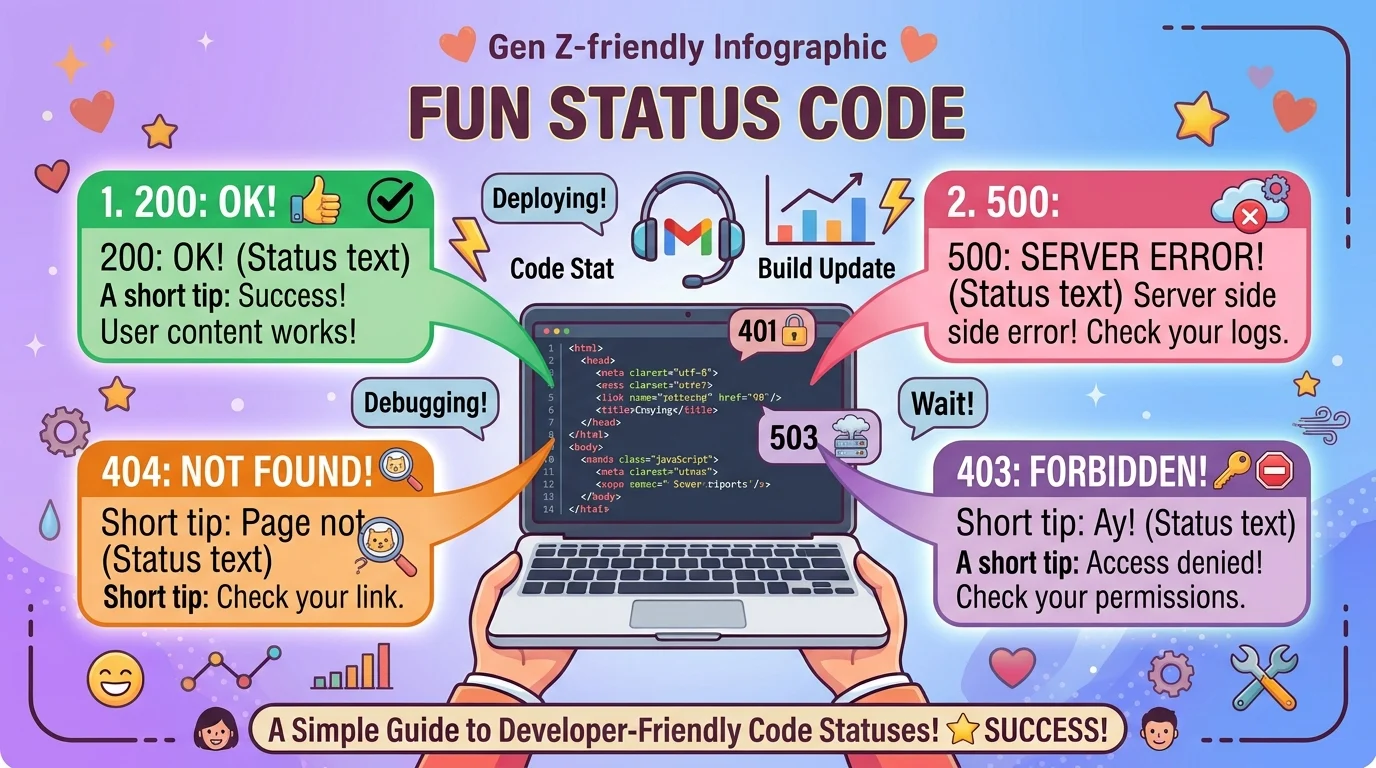
API responses are the messages servers send back after your app makes a request. The top status codes you will see are 200 OK, 201 Created, 400 Bad Request, 401 Unauthorized, and 500 Internal Server Error.
You just hit send on a request and now you are staring at the screen waiting for something, anything to come back. Will it be a happy 200 or a dreaded 404? That moment of suspense is basically the plot twist of every developer’s day. API responses are the replies that decide whether your app works or breaks, and honestly, they have more personality than we give them credit for.
From 200 OK to 500 Internal Server Error, each response tells a story. They can be sweet, brutal, or so confusing you want to flip your desk. Understanding what they mean and how to handle them is the difference between smooth sailing and a debugging nightmare. Plus, the right response can save you hours of guessing and googling.
So whether you are a seasoned dev or just starting out, this guide breaks down API responses in a way that is actually fun to read. Let’s get into it.
Funny Responses
- 200 OK but make it a victory dance.
Example: Use when your first API call finally works after hours of debugging.
Meaning: Celebrates the small wins that make coding worth it. - 418 I’m a teapot and I refuse to brew coffee.
Example: Use when referencing the classic joke status code.
Meaning: A playful reminder that even APIs have a sense of humor. - 404 Not Found, much like my will to keep debugging.
Example: Use when you hit a missing endpoint for the fifth time.
Meaning: Relatable humor for when things just will not cooperate. - 500 Internal Server Error, also known as the server is having a bad day.
Example: Use when explaining server issues to non technical friends.
Meaning: Makes a frustrating situation feel less serious. - 403 Forbidden, like my ex’s Instagram.
Example: Use when you get access denied for no obvious reason.
Meaning: A funny comparison that makes the error less annoying. - 429 Too Many Requests, slow down speed racer.
Example: Use when rate limiting kicks in.
Meaning: Turns a technical limit into a friendly joke. - 400 Bad Request, basically the API saying try again with actual effort.
Example: Use when your payload is missing a required field.
Meaning: Adds humor to a common beginner mistake. - 301 Moved Permanently, like my motivation after lunch.
Example: Use when dealing with redirects.
Meaning: Self deprecating humor that developers love. - 204 No Content, the API equivalent of leaving someone on read.
Example: Use when the response body is empty.
Meaning: Funny and accurate way to describe a silent response. - 502 Bad Gateway, the middleman dropped the ball.
Example: Use when a proxy server fails.
Meaning: Explains a complex error in a simple funny way. - 408 Request Timeout, the API is ghosting you.
Example: Use when the server takes too long to respond.
Meaning: Modern dating slang applied to tech. - 451 Unavailable For Legal Reasons, the API lawyered up.
Example: Use when content is blocked due to regulations.
Meaning: Makes a serious status code feel lighter.
Brutal Responses
- 401 Unauthorized, you really thought you had access.
Example: Use when your token expired and you forgot to refresh it.
Meaning: Calls out the mistake with zero sugar coating. - 403 Forbidden, read the room and your permissions.
Example: Use when you try to access admin endpoints without admin rights.
Meaning: A blunt reminder to check your role settings. - 400 Bad Request, your payload is a mess.
Example: Use when you send malformed JSON.
Meaning: Direct feedback that the problem is on your end. - 500 Internal Server Error, not your fault but still your problem.
Example: Use when the backend crashes and you are frontend.
Meaning: Honest truth about shared responsibility. - 404 Not Found, maybe try typing it correctly next time.
Example: Use when you misspell an endpoint.
Meaning: A firm nudge to double check your URL. - 405 Method Not Allowed, you cannot just do whatever you want.
Example: Use when you send a POST to a GET only endpoint.
Meaning: Sets boundaries between client and server. - 415 Unsupported Media Type, read the docs before you send garbage.
Example: Use when you send XML to a JSON only API.
Meaning: A tough love reminder to follow the spec. - 422 Unprocessable Entity, the data is valid but still wrong.
Example: Use when your request is formatted correctly but logically flawed.
Meaning: Points out deeper issues with your input. - 409 Conflict, fix your duplicate mess.
Example: Use when you try to create a resource that already exists.
Meaning: Calls out the error without mercy. - 413 Payload Too Large, maybe calm down with the uploads.
Example: Use when you try to send a massive file.
Meaning: A direct signal to check your limits. - 503 Service Unavailable, the server is napping. Come back later.
Example: Use during maintenance windows.
Meaning: Blunt but fair explanation for downtime. - 400 Bad Request, your code is the problem, not the API.
Example: Use when you blame the backend but it is actually you.
Meaning: Tough love for debugging.
Flirty Responses
- 200 OK, you had my curiosity but now you have my attention.
Example: Use when a response comes back with everything you wanted.
Meaning: Playful way to say the API delivered. - 201 Created, look at us making beautiful things together.
Example: Use when you successfully create a new resource.
Meaning: Celebrates collaboration between client and server. - 202 Accepted, I like where this is going.
Example: Use when the request is queued for processing.
Meaning: Builds anticipation for the final result. - 206 Partial Content, giving me just enough to keep me interested.
Example: Use when you receive a partial response due to range requests.
Meaning: Playful tease about incomplete data. - 302 Found, you know where to find me.
Example: Use when dealing with temporary redirects.
Meaning: A flirty way to describe following a redirect. - 304 Not Modified, you already have what you need. No need to refresh.
Example: Use when caching kicks in.
Meaning: Confidence that the current version is good enough. - 100 Continue, tell me more.
Example: Use when the server acknowledges your headers.
Meaning: Encourages you to send the rest of the request. - 301 Moved Permanently, we are taking this somewhere new.
Example: Use when an endpoint has changed location.
Meaning: Exciting way to describe a redirect. - 204 No Content, sometimes silence says it all.
Example: Use when a DELETE request succeeds.
Meaning: Smooth and mysterious. - 200 OK, you really know how to satisfy a request.
Example: Use when everything works on the first try.
Meaning: A playful compliment to the API. - 207 Multi Status, keeping things interesting with mixed signals.
Example: Use when dealing with batch operations.
Meaning: Flirty frustration about varied results. - 226 IM Used, we have history and I am here for it.
Example: Use when delta encoding is applied.
Meaning: A cheeky reference to reused content.
Polite Responses
- 200 OK, thank you for the smooth response.
Example: Use when acknowledging a successful request.
Meaning: Simple gratitude for a job well done. - 201 Created, appreciate the confirmation.
Example: Use after creating a new user or record.
Meaning: Polite acknowledgment of success. - 204 No Content, noted and appreciated.
Example: Use when no body is returned but the action succeeded.
Meaning: Respectful confirmation. - 202 Accepted, thanks for letting me know it is in progress.
Example: Use when the server queues your request.
Meaning: Calm and courteous. - 304 Not Modified, good to know nothing changed.
Example: Use when checking for updates.
Meaning: Gracious acceptance of cached data. - 400 Bad Request, thanks for the feedback. Let me fix that.
Example: Use when your payload needs adjustment.
Meaning: Shows willingness to learn. - 401 Unauthorized, I will refresh my token. Thanks.
Example: Use when your access expires.
Meaning: Professional and solution focused. - 403 Forbidden, understood. I will check my permissions.
Example: Use when you lack the right access level.
Meaning: Respectful acknowledgment. - 404 Not Found, I will double check the endpoint.
Example: Use when the URL seems off.
Meaning: Polite and proactive. - 500 Internal Server Error, thanks for the heads up. I will retry.
Example: Use when the server fails temporarily.
Meaning: Patient and understanding. - 503 Service Unavailable, I will try again later. Thank you.
Example: Use during maintenance.
Meaning: Courteous and calm. - 429 Too Many Requests, my bad. I will slow down.
Example: Use when rate limited.
Meaning: Gracious acknowledgment of limits.
Professional Responses
- 200 OK indicates the request succeeded and the response body contains the result.
Example: Use when documenting API behavior.
Meaning: Clear and technical explanation. - 201 Created confirms a new resource was successfully added.
Example: Use in API documentation for POST requests.
Meaning: Formal confirmation of creation. - 204 No Content means the action completed with no additional data.
Example: Use for DELETE or PUT operations.
Meaning: Precise and professional. - 400 Bad Request signals a client side error in the request syntax.
Example: Use when debugging payload issues.
Meaning: Technical and direct. - 401 Unauthorized requires valid authentication credentials.
Example: Use when implementing token refresh logic.
Meaning: Clear and actionable. - 403 Forbidden means the server understood but refuses to authorize.
Example: Use when documenting role based access.
Meaning: Professional explanation of access denial. - 404 Not Found indicates the requested resource does not exist.
Example: Use in error handling guides.
Meaning: Standard and accurate. - 405 Method Not Allowed means the HTTP method is not supported.
Example: Use when building REST APIs.
Meaning: Clear technical feedback. - 409 Conflict occurs when the request conflicts with the current state.
Example: Use for duplicate resource creation.
Meaning: Precise and helpful. - 500 Internal Server Error means the server encountered an unexpected condition.
Example: Use in incident reports.
Meaning: Formal and objective. - 502 Bad Gateway indicates an invalid response from an upstream server.
Example: Use when troubleshooting proxies.
Meaning: Clear and specific. - 503 Service Unavailable means the server is temporarily overloaded or down.
Example: Use during capacity planning.
Meaning: Professional explanation of downtime.
Creative Responses
- 200 OK, the API said yes and my code said thank you.
Example: Use when celebrating a successful integration.
Meaning: Fun and human way to describe success. - 418 I’m a teapot, the API has entered its comedy era.
Example: Use when referencing the Easter egg status code.
Meaning: Playful nod to internet culture. - 404 Not Found, the API is playing hide and seek.
Example: Use when debugging missing endpoints.
Meaning: Creative way to describe a common error. - 500 Internal Server Error, the server is having a main character moment.
Example: Use when the backend fails dramatically.
Meaning: Meme friendly and relatable. - 301 Moved Permanently, the API packed its bags and left.
Example: Use when dealing with redirects.
Meaning: Fun way to explain a new location. - 204 No Content, the API replied with the sound of silence.
Example: Use when the response body is empty.
Meaning: Artistic take on a blank response. - 429 Too Many Requests, the API said take a chill pill.
Example: Use when rate limited.
Meaning: Playful and memorable. - 403 Forbidden, the API built a wall and you are not on the list.
Example: Use when access is denied.
Meaning: Creative explanation of permissions. - 401 Unauthorized, the API does not remember you.
Example: Use when tokens expire.
Meaning: Story driven way to describe authentication. - 502 Bad Gateway, the middleman ghosted the server.
Example: Use when proxies fail.
Meaning: Modern slang applied to tech. - 408 Request Timeout, the API took too long and now it is awkward.
Example: Use when the server hangs.
Meaning: Relatable and funny. - 207 Multi Status, the API gave you a mixed playlist.
Example: Use for batch operations.
Meaning: Creative way to explain varied results.
Sarcastic Responses
- 200 OK, wow, something actually worked today.
Example: Use when a request succeeds after many failures.
Meaning: Sarcastic celebration of small wins. - 401 Unauthorized, shocking. My token expired again.
Example: Use when authentication fails.
Meaning: Dry humor about a common issue. - 404 Not Found, great. Another endpoint that does not exist.
Example: Use when debugging routes.
Meaning: Sarcastic frustration. - 500 Internal Server Error, lovely. The server is having feelings again.
Example: Use when the backend crashes.
Meaning: Playful mockery of server instability. - 403 Forbidden, cool. I did not want to see that anyway.
Example: Use when access is denied.
Meaning: Sarcastic acceptance. - 429 Too Many Requests, awesome. I will just wait here forever.
Example: Use when rate limited.
Meaning: Dry humor about limits. - 400 Bad Request, perfect. My JSON is a masterpiece of mistakes.
Example: Use when your payload is malformed.
Meaning: Self deprecating sarcasm. - 204 No Content, wonderful. A reply with zero information.
Example: Use when the response is empty.
Meaning: Sarcastic take on silence. - 502 Bad Gateway, fantastic. The middleman is asleep.
Example: Use when proxies fail.
Meaning: Sarcastic explanation of upstream issues. - 408 Request Timeout, brilliant. The API is ghosting me.
Example: Use when the server hangs.
Meaning: Modern humor for slow responses. - 301 Moved Permanently, sure. Just move without telling me.
Example: Use when dealing with redirects.
Meaning: Sarcastic reaction to unexpected changes. - 503 Service Unavailable, amazing. My timing is impeccable.
Example: Use during downtime.
Meaning: Self aware sarcasm.
Cute Responses
- 200 OK, you are the best API ever.
Example: Use when everything works perfectly.
Meaning: Sweet praise for a job well done. - 201 Created, we made something beautiful together.
Example: Use when creating a new resource.
Meaning: Warm celebration of success. - 204 No Content, short and sweet. Just like you.
Example: Use when the response is empty.
Meaning: Playful compliment. - 202 Accepted, I believe in you. Take your time.
Example: Use when the request is queued.
Meaning: Encouraging and patient. - 304 Not Modified, you already gave me what I needed. Thanks.
Example: Use when caching works.
Meaning: Appreciative and warm. - 100 Continue, go on. I am listening.
Example: Use when the server acknowledges your headers.
Meaning: Encouraging and supportive. - 206 Partial Content, a little is better than nothing.
Example: Use for range requests.
Meaning: Grateful for what you get. - 301 Moved Permanently, I will follow you anywhere.
Example: Use when dealing with redirects.
Meaning: Sweet and loyal. - 400 Bad Request, it is okay. We all make mistakes.
Example: Use when your payload is wrong.
Meaning: Kind and forgiving. - 401 Unauthorized, no worries. I will refresh my token.
Example: Use when access expires.
Meaning: Patient and understanding. - 403 Forbidden, that is fair. I will check my permissions.
Example: Use when access is denied.
Meaning: Respectful and calm. - 500 Internal Server Error, it is not your fault. I will retry.
Example: Use when the server fails.
Meaning: Supportive and patient.
Dramatic Responses
- 500 Internal Server Error, the server is crying and so am I.
Example: Use when the backend crashes.
Meaning: Over the top reaction to server failure. - 404 Not Found, my dreams are also not found.
Example: Use when an endpoint is missing.
Meaning: Dramatic humor for a common error. - 401 Unauthorized, the betrayal.
Example: Use when your token expires.
Meaning: Theatrical reaction to authentication failure. - 403 Forbidden, the audacity.
Example: Use when access is denied.
Meaning: Dramatic indignation. - 429 Too Many Requests, the disrespect.
Example: Use when rate limited.
Meaning: Theatrical frustration. - 400 Bad Request, my code is a tragedy.
Example: Use when your payload is wrong.
Meaning: Dramatic self criticism. - 204 No Content, the silence is deafening.
Example: Use when the response is empty.
Meaning: Theatrical take on silence. - 502 Bad Gateway, the betrayal from above.
Example: Use when proxies fail.
Meaning: Dramatic explanation of upstream issues. - 408 Request Timeout, I have been abandoned.
Example: Use when the server hangs.
Meaning: Theatrical reaction to slow responses. - 301 Moved Permanently, left without a forwarding address.
Example: Use when dealing with redirects.
Meaning: Dramatic take on changes. - 503 Service Unavailable, the world is ending.
Example: Use during downtime.
Meaning: Exaggerated reaction to maintenance. - 418 I’m a teapot, the universe has a sense of humor.
Example: Use when referencing the joke code.
Meaning: Dramatic acknowledgment of absurdity.
Chill And Casual Responses
- 200 OK, cool. Moving on.
Example: Use when a request succeeds.
Meaning: Relaxed and low key. - 404 Not Found, no big deal. I will fix the URL.
Example: Use when an endpoint is wrong.
Meaning: Calm and unbothered. - 401 Unauthorized, just need a new token.
Example: Use when access expires.
Meaning: Easygoing acknowledgment. - 400 Bad Request, my bad. Let me fix the payload.
Example: Use when your request is malformed.
Meaning: Casual and solution focused. - 500 Internal Server Error, happens to the best of us.
Example: Use when the server fails.
Meaning: Chill acceptance. - 204 No Content, all good. Nothing to see here.
Example: Use when the response is empty.
Meaning: Relaxed confirmation. - 429 Too Many Requests, I will take a breather.
Example: Use when rate limited.
Meaning: Easygoing reaction. - 403 Forbidden, fair enough. I will check my role.
Example: Use when access is denied.
Meaning: Calm and respectful. - 301 Moved Permanently, noted. I will follow the redirect.
Example: Use when dealing with redirects.
Meaning: Simple and relaxed. - 502 Bad Gateway, not ideal but I will retry.
Example: Use when proxies fail.
Meaning: Chill and patient. - 408 Request Timeout, no rush. I will wait.
Example: Use when the server hangs.
Meaning: Relaxed patience. - 503 Service Unavailable, I will try again later.
Example: Use during downtime.
Meaning: Easygoing acceptance.
Confident Responses
- 200 OK, exactly what I expected.
Example: Use when your request works on the first try.
Meaning: Self assured and calm. - 201 Created, I knew that would work.
Example: Use after creating a resource.
Meaning: Confident in your skills. - 204 No Content, no news is good news.
Example: Use when the response is empty.
Meaning: Calm confidence. - 202 Accepted, I trust the process.
Example: Use when the request is queued.
Meaning: Confident in the system. - 400 Bad Request, I will fix it in seconds.
Example: Use when your payload is wrong.
Meaning: Quick and capable. - 401 Unauthorized, token refresh incoming.
Example: Use when access expires.
Meaning: Prepared and proactive. - 403 Forbidden, I will find another way.
Example: Use when access is denied.
Meaning: Resourceful and determined. - 404 Not Found, I will track it down.
Example: Use when an endpoint is missing.
Meaning: Confident problem solving. - 500 Internal Server Error, not on my watch. Retrying now.
Example: Use when the server fails.
Meaning: Takes charge of the situation. - 429 Too Many Requests, I will pace myself.
Example: Use when rate limited.
Meaning: Calm control. - 301 Moved Permanently, I know where to go.
Example: Use when dealing with redirects.
Meaning: Confident navigation. - 503 Service Unavailable, I will be back.
Example: Use during downtime.
Meaning: Assured persistence.
Emotional Responses
- 200 OK, honestly this made my whole day.
Example: Use when a request finally works after hours of debugging.
Meaning: Genuine relief and joy. - 404 Not Found, I felt that in my soul.
Example: Use when you cannot find an endpoint.
Meaning: Deep frustration that is relatable. - 500 Internal Server Error, I am not okay.
Example: Use when the backend crashes.
Meaning: Honest emotional reaction. - 401 Unauthorized, the rejection hurts.
Example: Use when your token expires.
Meaning: Vulnerable and funny. - 403 Forbidden, why does the API hate me.
Example: Use when access is denied.
Meaning: Emotional frustration. - 400 Bad Request, I tried my best.
Example: Use when your payload is wrong.
Meaning: Honest effort and mild disappointment. - 204 No Content, the silence is painful.
Example: Use when the response is empty.
Meaning: Emotional take on silence. - 429 Too Many Requests, I just wanted to be loved.
Example: Use when rate limited.
Meaning: Funny and vulnerable. - 502 Bad Gateway, I trusted you.
Example: Use when proxies fail.
Meaning: Emotional betrayal. - 408 Request Timeout, I waited for you.
Example: Use when the server hangs.
Meaning: Poetic frustration. - 301 Moved Permanently, you left without saying goodbye.
Example: Use when dealing with redirects.
Meaning: Emotional take on changes. - 418 I’m a teapot, at least someone understands me.
Example: Use when referencing the joke code.
Meaning: Relatable and heartfelt.
Sweet Responses
- 200 OK, thank you for making my code work.
Example: Use when a request succeeds.
Meaning: Genuine gratitude. - 201 Created, we built something special today.
Example: Use after creating a resource.
Meaning: Warm celebration. - 204 No Content, simple and perfect.
Example: Use when the response is empty.
Meaning: Appreciative of simplicity. - 202 Accepted, I believe in you. Take your time.
Example: Use when the request is queued.
Meaning: Patient and supportive. - 304 Not Modified, you always know what I need.
Example: Use when caching works.
Meaning: Trusting and warm. - 100 Continue, go on. I am here for it.
Example: Use when the server acknowledges your headers.
Meaning: Encouraging and sweet. - 206 Partial Content, a little goes a long way.
Example: Use for range requests.
Meaning: Grateful and kind. - 301 Moved Permanently, I will follow you anywhere.
Example: Use when dealing with redirects.
Meaning: Loyal and sweet. - 400 Bad Request, it is okay. We all learn.
Example: Use when your payload is wrong.
Meaning: Kind and forgiving. - 401 Unauthorized, no worries. I will refresh.
Example: Use when access expires.
Meaning: Patient and understanding. - 403 Forbidden, that is fair. I will check my role.
Example: Use when access is denied.
Meaning: Respectful and calm. - 500 Internal Server Error, it is not your fault. I will retry.
Example: Use when the server fails.
Meaning: Supportive and patient.
Clever Responses
- 200 OK, the API said yes and my code said thank you.
Example: Use when celebrating a successful integration.
Meaning: Smart and witty. - 418 I’m a teapot, the API has entered its comedy era.
Example: Use when referencing the Easter egg status code.
Meaning: Clever nod to internet culture. - 404 Not Found, the API is playing hide and seek.
Example: Use when debugging missing endpoints.
Meaning: Creative way to describe a common error. - 500 Internal Server Error, the server is having a main character moment.
Example: Use when the backend fails dramatically.
Meaning: Meme friendly and clever. - 301 Moved Permanently, the API packed its bags and left.
Example: Use when dealing with redirects.
Meaning: Fun way to explain a new location. - 204 No Content, the API replied with the sound of silence.
Example: Use when the response body is empty.
Meaning: Artistic take on a blank response. - 429 Too Many Requests, the API said take a chill pill.
Example: Use when rate limited.
Meaning: Playful and memorable. - 403 Forbidden, the API built a wall and you are not on the list.
Example: Use when access is denied.
Meaning: Creative explanation of permissions. - 401 Unauthorized, the API does not remember you.
Example: Use when tokens expire.
Meaning: Story driven way to describe authentication. - 502 Bad Gateway, the middleman ghosted the server.
Example: Use when proxies fail.
Meaning: Modern slang applied to tech. - 408 Request Timeout, the API took too long and now it is awkward.
Example: Use when the server hangs.
Meaning: Relatable and funny. - 207 Multi Status, the API gave you a mixed playlist.
Example: Use for batch operations.
Meaning: Creative way to explain varied results.
Error Handling Responses
- Retry with exponential backoff when you see a 500 or 503.
Example: Use when building resilient clients.
Meaning: Smart approach to temporary failures. - Refresh your token immediately on a 401.
Example: Use when authentication expires.
Meaning: Prevents repeated unauthorized errors. - Log the full response body on any 4xx error.
Example: Use during debugging.
Meaning: Helps you fix the root cause faster. - Check your payload against the API schema on a 400.
Example: Use when your request is malformed.
Meaning: Saves time by validating early. - Respect the Retry After header on a 429.
Example: Use when rate limited.
Meaning: Keeps you from getting blocked. - Fall back to cached data on a 503.
Example: Use when the service is down.
Meaning: Keeps your app usable during outages. - Verify the URL and method on a 404 or 405.
Example: Use when an endpoint is missing.
Meaning: Quick fix for common mistakes. - Check your permissions on a 403 before blaming the API.
Example: Use when access is denied.
Meaning: Saves you from unnecessary frustration. - Handle 204 responses with a simple success message.
Example: Use when no data is returned.
Meaning: Keeps your UI clean. - Use a circuit breaker for repeated 5xx errors.
Example: Use when the backend is unstable.
Meaning: Protects your app from cascading failures. - Parse error messages from the response body on a 422.
Example: Use when validation fails.
Meaning: Gives users clear feedback. - Never ignore a 301 or 302. Update your endpoints.
Example: Use when dealing with redirects.
Meaning: Keeps your integration healthy.
FAQs
What are API responses?
API responses are the messages a server sends back after your app makes a request. They include a status code and often a body with data or error details.
Is a 200 status always good?
Yes, 200 OK means the request succeeded. But always check the response body for any hidden errors or warnings.
What does a 401 mean in simple terms?
It means you are not authorized. Your credentials are missing, expired, or wrong. Refresh your token and try again.
Can I use humor when talking about API responses?
Absolutely. Developers love a good 418 teapot joke. Just keep it professional in documentation and client facing messages.
What should I do if I do not understand an error code?
Check the official docs first. Then search for the code with your framework name. Most errors have been solved by someone else already.
Conclusion
API responses do not have to be a mystery. From 200 OK to 500 Internal Server Error, each code tells you exactly what is happening. The trick is knowing how to read them, handle them, and maybe laugh at them along the way.
Whether you are building your first app or debugging your hundredth endpoint, the right response can save you time and stress. Mix up your error handling, respect the status codes, and do not be afraid to add a little personality to your logs.
