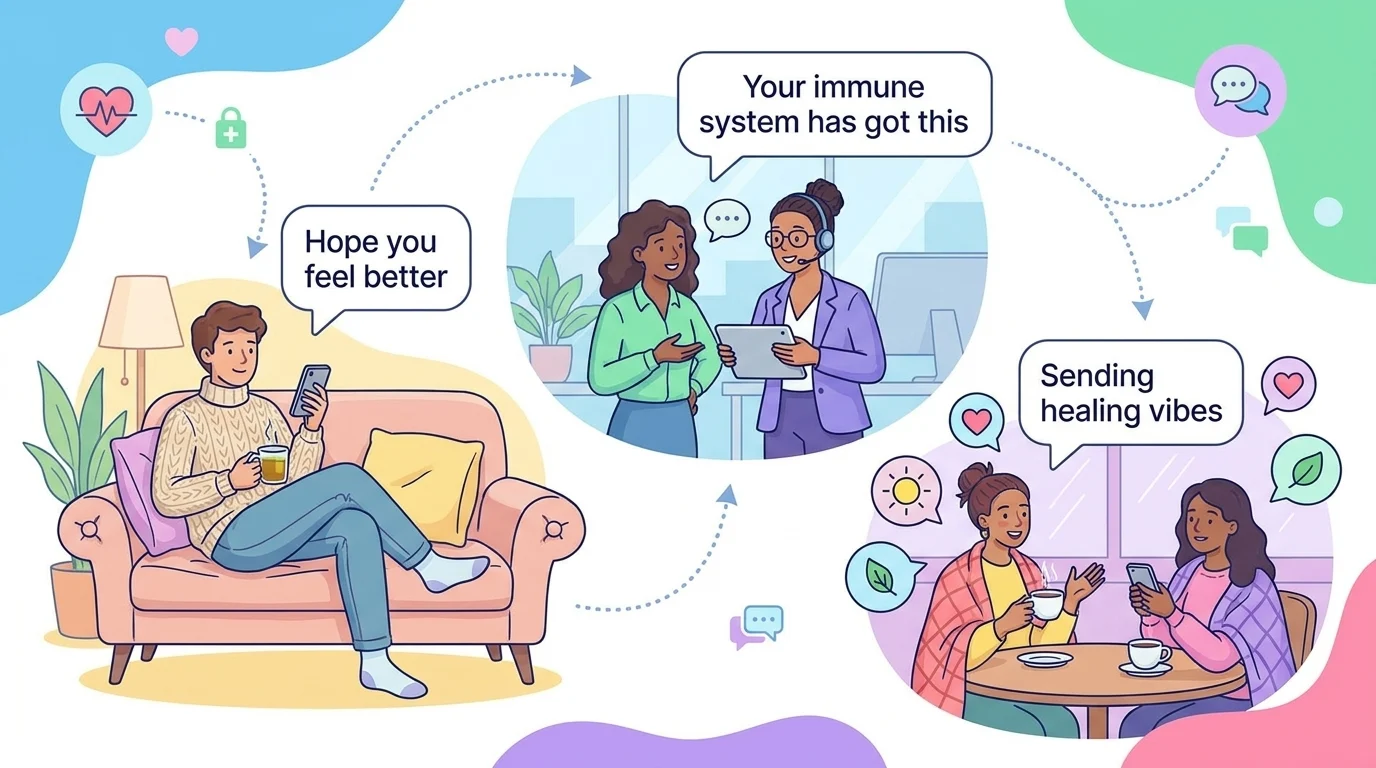
The best immune responses are supportive, curious, or lighthearted depending on the situation. Try “That sounds rough, how are you feeling?”, “Your body is doing its job!”, “Tell me more about what’s going on,” “Rest up and hydrate,” or “Sending good vibes your way.”
Ever had someone say “My immune response is acting up” and you had no idea what to reply? Maybe it was a friend complaining about allergies, a coworker talking about a recent vaccine, or a crush dropping a health update in your DMs. It happens more than you think.
Immune responses come up in everyday conversation, from small talk about cold season to deeper chats about chronic illness. Knowing how to reply with empathy, humor, or confidence can turn an awkward moment into a real connection. That’s why having a few ready-to-use immune responses in your back pocket is a total game changer.
Whether you’re texting, commenting, or chatting in person, the right reply shows you care and keeps the vibe going. Let’s get you equipped with responses for every mood and moment.
Funny Responses
- “Your immune system is working overtime. Tell it to take a break.”
Example: Said to a friend who keeps getting sick.
Meaning: Lightens the mood while acknowledging their health struggle. - “So your body is basically throwing a dramatic party inside you? Iconic.”
Example: Sent as a text after someone describes their symptoms.
Meaning: Makes a stressful situation feel a little less serious. - “My immune response is mostly just me crying into a bowl of soup.”
Example: Shared with a friend who asks how you’re doing.
Meaning: Relatable humor for anyone feeling under the weather. - “Your immune system said ‘not today’ and then chose violence.”
Example: Commented on a post about getting sick.
Meaning: Playfully describes a strong reaction without being mean. - “I’m pretty sure my immune response has its own Netflix series by now.”
Example: Joked with a coworker about recurring health issues.
Meaning: Turns a long health journey into a lighthearted story. - “My body’s immune response is giving main character energy.”
Example: Texted to a friend when you feel extra tired.
Meaning: Uses internet slang to describe feeling dramatic and unwell. - “If my immune system had a Yelp page, it would have one star and a long complaint.”
Example: Said to your sibling after a rough allergy day.
Meaning: Adds humor to a frustrating health moment. - “My immune response just sent me a calendar invite for a nap.”
Example: Sent to your group chat when you need rest.
Meaning: Playfully explains why you’re cancelling plans. - “Your immune system is like a bouncer who takes the job way too seriously.”
Example: Said to a friend with an autoimmune condition.
Meaning: Makes a complex health topic feel relatable and funny. - “I asked my immune response to chill and it said ‘new phone who dis’.”
Example: Texted to a friend after a sneezing fit.
Meaning: Uses a classic meme format to describe a stubborn immune system. - “My immune response is basically a toddler with a sugar rush.”
Example: Said during a conversation about allergies.
Meaning: Describes unpredictable reactions in a cute, funny way. - “At this point my immune response and I need couples therapy.”
Example: Joked with your partner about always getting sick.
Meaning: Makes a personal health struggle feel shared and humorous.
Brutal Responses
- “Your immune response isn’t the problem. Your lifestyle is.”
Example: Said to someone who constantly ignores health advice.
Meaning: A direct, honest push toward better habits. - “That’s not an immune response. That’s you not sleeping.”
Example: Texted to a friend who complains about being sick.
Meaning: Calls out the real cause without sugarcoating. - “You can’t blame your immune system for everything.”
Example: Said when someone uses health as an excuse.
Meaning: Encourages personal responsibility. - “Your immune response is fine. Your diet is the issue.”
Example: Told to a coworker during a lunch conversation.
Meaning: A blunt but caring observation. - “Stop googling symptoms and go to a real doctor.”
Example: Sent to a friend who keeps self-diagnosing.
Meaning: Cuts through the noise with practical advice. - “Your immune response isn’t weak. Your excuses are.”
Example: Said to someone who refuses to rest when sick.
Meaning: A tough-love truth bomb. - “That immune response is called dehydration. Drink water.”
Example: Replied to a text about feeling awful.
Meaning: Offers a simple fix without sympathy. - “You’re not sick. You’re just tired. Big difference.”
Example: Said to a friend who cancels plans often.
Meaning: Honest feedback that helps them see the real issue. - “Your immune system is doing its best. You’re the one slacking.”
Example: Joked with a sibling who won’t take vitamins.
Meaning: Pushes them to take care of themselves. - “No, your immune response is not ‘broken’. You just need to sleep.”
Example: Texted to a dramatic friend.
Meaning: Gently shuts down unnecessary worry. - “You can’t fix your immune response with another coffee.”
Example: Said to a coworker on their fifth cup.
Meaning: A direct nudge toward healthier choices. - “Your immune response isn’t a personality trait.”
Example: Said to someone who constantly talks about being sick.
Meaning: Encourages them to find balance in conversation.
Flirty Responses
- “Your immune response may be weak, but my interest in you is strong.”
Example: Sent as a playful text to a crush who said they were sick.
Meaning: Flips a health complaint into a sweet compliment. - “I’d happily bring you soup and keep you company while your immune system does its thing.”
Example: Offered to someone you’re interested in.
Meaning: Shows care with a hint of romantic intention. - “You focus on your immune response. I’ll focus on making you smile.”
Example: Texted after a date cancelled due to feeling unwell.
Meaning: Keeps the flirtation alive while being supportive. - “Your immune response is lucky it has you. I’d take care of it too.”
Example: Sent to a crush who complained about being sick.
Meaning: A cute way to express affection through health talk. - “If your immune response needs a personal cheerleader, I’m available.”
Example: DMed to someone you’re vibing with.
Meaning: Offers support with a flirty twist. - “I hear a strong immune response is attractive. You must be glowing.”
Example: Commented on a selfie of someone recovering.
Meaning: Turns a health update into a compliment. - “Your immune response may be acting up, but you’re still the cutest patient I know.”
Example: Texted to a partner or crush.
Meaning: Blends humor and affection. - “Let me know if your immune response needs a date night in.”
Example: Sent to someone you want to see.
Meaning: Suggests a cozy, caring hangout. - “I’d risk my own immune response just to see you.”
Example: Joked with a crush who said they were contagious.
Meaning: Playfully dramatic but clearly flirty. - “Your immune response is doing its best. And so am I, trying not to text you too much.”
Example: Sent late at night to a crush.
Meaning: A cute, vulnerable flirt. - “If your immune response is tired, imagine how tired I am of waiting for your text back.”
Example: Sent to someone you’re seeing after a slow reply.
Meaning: Teases them with a flirty edge. - “Your immune response can take the day off. I’ll take care of you.”
Example: Texted to a romantic interest who felt unwell.
Meaning: Offers care with clear romantic subtext.
Polite Responses
- “I’m sorry to hear that. I hope you feel better soon.”
Example: Said to a coworker who mentioned a weak immune response.
Meaning: A kind, respectful acknowledgment. - “That sounds challenging. Let me know if there’s anything I can do.”
Example: Replied to a neighbor talking about health issues.
Meaning: Offers support without being intrusive. - “Thank you for sharing that with me. Wishing you good health.”
Example: Said after someone explains their immune response concerns.
Meaning: Respectful and appreciative of their openness. - “I understand. Please take care of yourself.”
Example: Said to a friend who cancels plans due to illness.
Meaning: Shows understanding and concern. - “I appreciate you letting me know. Rest well.”
Example: Texted to a colleague who called in sick.
Meaning: Polite and professional care. - “That’s good to know. I hope your immune response stays strong.”
Example: Said in a casual conversation about health.
Meaning: A courteous and encouraging reply. - “I’m here if you need to talk about it.”
Example: Said to someone who mentions immune system struggles.
Meaning: Offers a listening ear respectfully. - “Wishing you a speedy recovery. Let me know if you need anything.”
Example: Sent to an acquaintance who posted about being sick.
Meaning: A warm but polite gesture. - “Thank you for the update. Sending positive thoughts your way.”
Example: Replied to a group chat about someone’s health.
Meaning: A considerate and supportive response. - “I hope your immune response settles soon. Take it easy.”
Example: Said to a friend who describes symptoms.
Meaning: Polite concern with practical advice. - “I’m sorry you’re going through that. Please don’t hesitate to reach out.”
Example: Texted to a colleague who missed work.
Meaning: Respectful empathy and availability. - “That sounds tough. I’m wishing you all the best.”
Example: Said to someone in a waiting room.
Meaning: A kind, brief acknowledgment.
Professional Responses
- “Thank you for letting me know. Please prioritize your health and rest.”
Example: Replied to an employee calling in sick.
Meaning: Professional and supportive management. - “I understand. Please take the time you need to recover.”
Example: Said to a colleague who mentions a weak immune response.
Meaning: Shows understanding without overstepping. - “Your health comes first. We can adjust the deadline.”
Example: Sent to a team member who is unwell.
Meaning: Reassures them that work isn’t more important than health. - “Please keep me updated. Wishing you a quick recovery.”
Example: Replied to a client who rescheduled due to illness.
Meaning: Maintains professionalism while showing care. - “Thank you for the heads up. Take care and stay hydrated.”
Example: Texted to a coworker who left early.
Meaning: A polite and practical response. - “I appreciate your transparency. Rest up and we’ll catch up when you’re back.”
Example: Sent to a team member working remotely.
Meaning: Professional empathy with clear expectations. - “No problem at all. Your well-being is the priority.”
Example: Replied to a colleague who apologized for missing a meeting.
Meaning: Reassures them without judgment. - “Please don’t worry about work right now. Focus on getting better.”
Example: Said to an employee who is stressed about deadlines.
Meaning: Relieves pressure in a professional way. - “I hope your immune response improves soon. Let’s reschedule when you’re ready.”
Example: Sent to a business contact.
Meaning: Maintains the relationship while respecting their health. - “Thank you for informing me. I’ll cover your tasks in the meantime.”
Example: Replied to a coworker who is out sick.
Meaning: Offers practical support professionally. - “Take all the time you need. We’ll manage.”
Example: Said to a team member who is unwell.
Meaning: Builds trust and reduces stress. - “Wishing you a smooth recovery. Please keep me posted.”
Example: Replied to a client who mentioned health issues.
Meaning: Professional care with a personal touch.
Creative Responses
- “Your immune response is like a jazz band. Improvising, unpredictable, but still kind of impressive.”
Example: Said to a friend describing their symptoms.
Meaning: Uses a fun metaphor to make sense of a complex process. - “Think of your immune response as your body’s personal bodyguard. Sometimes it overreacts, but it means well.”
Example: Explained to a confused coworker.
Meaning: A creative way to simplify a medical concept. - “Your immune system is writing its own plot twist. Stay tuned for the next episode.”
Example: Texted to a friend who keeps getting sick.
Meaning: Turns a frustrating situation into a story. - “An immune response is just your body throwing a surprise party for germs. Sometimes the decorations get out of hand.”
Example: Shared with a study group.
Meaning: Makes a scientific idea feel fun and visual. - “Your immune response is like Wi-Fi. Sometimes it’s strong, sometimes it drops, but it’s always trying.”
Example: Joked with a friend who has allergies.
Meaning: Relatable comparison that makes the topic less intimidating. - “Think of it as your body’s group chat. Sometimes there’s drama, but everyone’s working toward the same goal.”
Example: Said during a health conversation with friends.
Meaning: Reframes immune responses in a modern, social way. - “Your immune response is basically a DIY project. It might not look pretty, but it gets the job done.”
Example: Texted to a friend recovering from a cold.
Meaning: Encourages patience with a creative spin. - “Your body is a tiny ecosystem. Your immune response is the weather. Sometimes it storms, sometimes it’s sunny.”
Example: Said to someone worried about their health.
Meaning: Uses a nature metaphor to explain unpredictability. - “An immune response is like a first draft. It’s messy, but it’s necessary.”
Example: Explained to a student.
Meaning: Helps normalize the imperfect nature of health. - “Your immune system is a chef. Sometimes it makes a gourmet meal. Sometimes it burns the toast.”
Example: Joked with a coworker.
Meaning: A creative way to describe inconsistency. - “Your immune response is like a playlist on shuffle. You never know what’s coming next.”
Example: Texted to a friend with chronic illness.
Meaning: A comforting and relatable comparison. - “Think of your immune response as a reality show. There’s drama, unexpected twists, and a lot of editing.”
Example: Said to your group chat during a health discussion.
Meaning: Makes a serious topic feel light and shareable.
Sarcastic Responses
- “Oh great, your immune response has opinions again.”
Example: Texted to a friend who complains about symptoms.
Meaning: A playful eye roll in text form. - “Your immune system really chose today to be dramatic, huh?”
Example: Said to a coworker who suddenly got sick.
Meaning: Sarcastic but not mean, acknowledging bad timing. - “Wow, your immune response is really out here doing the most.”
Example: Commented on a friend’s post about allergies.
Meaning: Uses sarcasm to relate to their frustration. - “Congratulations, your immune system has unlocked a new symptom.”
Example: Texted to a friend who keeps discovering new issues.
Meaning: Adds humor to a never-ending health saga. - “Your immune response called. It wants a vacation.”
Example: Said to a partner who is always tired.
Meaning: A lighthearted way to suggest rest. - “Your immune system is really committed to the drama. Respect.”
Example: Joked with a sibling about their health.
Meaning: Sarcastic compliment that makes them laugh. - “Oh, your immune response is acting up? Must be Tuesday.”
Example: Texted to a friend who often complains.
Meaning: Teases them gently about the frequency. - “Your immune system said ‘let’s make today interesting’ and delivered.”
Example: Said to a colleague who got sick before a big meeting.
Meaning: Sarcastic but sympathetic. - “Your immune response has better plot twists than a soap opera.”
Example: Commented on a friend’s health update.
Meaning: Uses sarcasm to acknowledge unpredictability. - “Wow, your immune system really said ‘not today, Satan’ and then took a nap.”
Example: Joked with a friend who got sick suddenly.
Meaning: Playful and sarcastic, not literal. - “Your immune response is out here freelancing. No consistency.”
Example: Texted to a friend with chronic symptoms.
Meaning: Sarcastic but relatable observation. - “Your immune system is like a bad roommate. Sometimes it helps, sometimes it leaves a mess.”
Example: Said during a casual chat about health.
Meaning: Sarcastic comparison that gets a laugh.
Cute Responses
- “Your immune response is doing its best. And so are you. That’s enough.”
Example: Texted to a friend who feels guilty for being sick.
Meaning: A gentle, encouraging reply. - “Sending you a warm blanket and a cup of tea in spirit.”
Example: Replied to someone who mentioned feeling unwell.
Meaning: A sweet, virtual hug. - “Your body is working hard for you. Be kind to it.”
Example: Said to a partner who is frustrated with their health.
Meaning: A caring reminder to practice self-compassion. - “I hope your immune response gives you a break soon. You deserve one.”
Example: Texted to a friend with a chronic condition.
Meaning: Shows empathy and support. - “Your immune system is a little fighter. And so are you.”
Example: Said to a child or a friend who needs encouragement.
Meaning: A cute and empowering message. - “Rest up. Your immune response is doing important work.”
Example: Replied to a coworker who called in sick.
Meaning: Validates their need for rest. - “Your body knows what it’s doing. Trust it, and take care of yourself.”
Example: Sent to a friend who is anxious about symptoms.
Meaning: A calming and sweet reassurance. - “Sending you good vibes and a reminder to drink water.”
Example: Commented on a friend’s health update.
Meaning: Simple, caring, and practical. - “Your immune response may be acting up, but you’re still amazing.”
Example: Texted to a crush who felt unwell.
Meaning: A sweet compliment wrapped in support. - “Take it easy. Your body is asking for a little TLC.”
Example: Said to a friend who is pushing through illness.
Meaning: A gentle nudge toward self-care. - “I’m proud of your immune response for showing up. And I’m proud of you.”
Example: Texted to a friend who is recovering.
Meaning: A cute and encouraging message. - “Your immune system is like a tiny cheerleader. Sometimes it needs a break too.”
Example: Joked with a partner who is sick.
Meaning: A sweet and playful way to say rest is okay.
Dramatic Responses
- “Your immune response is literally fighting for its life and you’re worried about a sniffle?”
Example: Said to a friend who is overreacting.
Meaning: A dramatic reality check. - “This immune response is the biggest betrayal since my last breakup.”
Example: Texted to your best friend.
Meaning: Exaggerates the frustration for comic effect. - “Your immune system has officially entered its villain era.”
Example: Commented on a friend’s post about being sick.
Meaning: Playfully dramatic language for a common experience. - “I can’t believe my immune response would do this to me. After everything we’ve been through.”
Example: Said to your sibling after getting a cold.
Meaning: Treats a health issue like a personal betrayal. - “Your immune response is giving Shakespearean tragedy. So dramatic.”
Example: Joked with a coworker who has a minor cold.
Meaning: Uses humor to downplay the drama. - “My immune system said ‘let’s make this the worst week ever’ and it delivered.”
Example: Texted to a friend during a rough health patch.
Meaning: A dramatic but relatable complaint. - “Your immune response is literally the main character of your life right now.”
Example: Said to a friend who talks about nothing else.
Meaning: Teases them for being overly focused on their health. - “I would like to file a formal complaint against my immune response.”
Example: Posted on social media after getting sick.
Meaning: A funny, exaggerated way to vent. - “Your immune system has no chill. None.”
Example: Texted to a friend who is always sick.
Meaning: Dramatic but playful observation. - “My immune response just ruined my entire week. Thanks a lot.”
Example: Said to a partner after cancelling plans.
Meaning: A dramatic but honest expression of frustration. - “Your immune response is like a bad ex. It keeps coming back at the worst time.”
Example: Joked with a friend about recurring illness.
Meaning: Uses a dramatic comparison for comic effect. - “I’m pretty sure my immune response has its own fan club by now. It’s that dramatic.”
Example: Texted to your group chat.
Meaning: Exaggerates the attention their health gets.
Chill and Casual Responses
- “Yeah, immune responses can be weird. Hope you feel better.”
Example: Texted to a friend who mentioned feeling off.
Meaning: A relaxed and friendly acknowledgment. - “That’s rough. Take it easy and see how you feel tomorrow.”
Example: Said to a coworker who complained about a cold.
Meaning: Casual concern without overstepping. - “Your immune system is doing its thing. Just rest and hydrate.”
Example: Replied to a friend’s health update.
Meaning: Simple, practical advice with a chill vibe. - “No worries. We can reschedule. Feel better.”
Example: Texted to a friend who cancelled plans.
Meaning: Easygoing and understanding. - “Yeah, that happens. Just listen to your body.”
Example: Said during a conversation about feeling sick.
Meaning: A relaxed and non-judgmental response. - “Hope it passes soon. Let me know if you need anything.”
Example: Texted to a neighbor.
Meaning: Casual support with low pressure. - “Your immune response is just doing its job. Take a day off.”
Example: Said to a colleague.
Meaning: Normalizes rest without drama. - “That’s tough. Maybe try some tea and sleep.”
Example: Replied to a friend’s text about feeling unwell.
Meaning: Simple, low-key advice. - “Yeah, immune systems are unpredictable. Hang in there.”
Example: Said to a family member.
Meaning: Acknowledges the situation without making it a big deal. - “Take a break. Your body will thank you.”
Example: Texted to a friend who is pushing through.
Meaning: A gentle, casual reminder to rest. - “No big deal. Just rest up and we’ll catch up later.”
Example: Replied to someone who apologized for being sick.
Meaning: Removes pressure and keeps things easy. - “Hope you feel better soon. Nothing a good nap can’t fix.”
Example: Said to a coworker.
Meaning: Casual encouragement with a practical tip.
Confident Responses
- “Your immune response is strong. Trust it and give it rest.”
Example: Said to a friend who is worried about getting sick.
Meaning: Projects confidence in their body’s ability to heal. - “I know you’ll bounce back. Your immune system has got this.”
Example: Texted to a partner who is unwell.
Meaning: Reassures them with certainty. - “Your body knows what to do. Just support it.”
Example: Said during a health conversation.
Meaning: Expresses calm confidence in natural healing. - “You’ll be fine. Rest, hydrate, and don’t overthink it.”
Example: Replied to a friend’s anxious text.
Meaning: A confident, grounding response. - “Your immune response is doing its job. Let it work.”
Example: Said to a coworker who is stressed about being sick.
Meaning: Instills trust in the body’s processes. - “I’ve seen you get through worse. This is nothing.”
Example: Texted to a friend with a minor cold.
Meaning: Builds confidence through past resilience. - “You’re stronger than a sniffle. Take it easy and you’ll be back.”
Example: Said to a sibling.
Meaning: Encourages a confident, can-do attitude. - “Your immune system is a fighter. Give it time.”
Example: Replied to a friend who is impatient with recovery.
Meaning: Reassures them with a confident tone. - “No need to panic. Your body has handled this before.”
Example: Said to someone worried about symptoms.
Meaning: Calms them with confidence. - “You’ll be back to normal in no time. Just rest.”
Example: Texted to a colleague.
Meaning: Projects certainty and support. - “Your immune response may be acting up, but you’re tougher than it.”
Example: Said to a friend who feels defeated.
Meaning: Empowers them with confidence. - “I believe in your immune system. And in you.”
Example: Sent to a partner or close friend.
Meaning: A confident and caring affirmation.
Emotional Responses
- “I’m really sorry you’re dealing with that. It sounds exhausting.”
Example: Texted to a friend with chronic illness.
Meaning: Validates their emotional experience. - “That must be so frustrating. I’m here for you.”
Example: Said to a coworker who is struggling.
Meaning: Offers empathy and support. - “It’s okay to feel overwhelmed. Your health is a lot to handle.”
Example: Replied to a friend who is emotional about being sick.
Meaning: Normalizes their feelings. - “I wish I could take this off your plate. Sending you love.”
Example: Texted to a family member.
Meaning: Expresses deep care and helplessness. - “You’re not alone in this. I’m here to listen.”
Example: Said to a friend who feels isolated by illness.
Meaning: Provides emotional connection. - “That sounds really hard. Please be gentle with yourself.”
Example: Replied to someone who is self-critical about their health.
Meaning: Encourages self-compassion. - “I’m sorry your immune response is making life difficult right now.”
Example: Texted to a partner.
Meaning: Acknowledges the struggle with empathy. - “It’s okay to rest. You don’t have to push through.”
Example: Said to a friend who feels guilty for being sick.
Meaning: Releases them from pressure. - “I can hear how much this is weighing on you. I’m here.”
Example: Replied to a long text about health struggles.
Meaning: Shows active listening and emotional support. - “Your feelings are valid. Being sick is hard.”
Example: Said during an emotional conversation.
Meaning: Validates their emotional response. - “I’m sending you a big hug. You’re doing your best.”
Example: Texted to a friend who is struggling.
Meaning: Offers comfort and encouragement. - “I know this isn’t easy. I’m proud of you for keeping going.”
Example: Said to a family member with a chronic condition.
Meaning: Recognizes their strength emotionally.
Sweet Responses
- “I hope your immune response settles soon. You deserve to feel good.”
Example: Texted to a close friend.
Meaning: A warm and caring wish. - “Your body is working so hard. Be kind to it today.”
Example: Said to a partner who is unwell.
Meaning: A gentle, loving reminder. - “Sending you warm tea and cozy vibes.”
Example: Replied to a friend’s health update.
Meaning: A sweet, comforting message. - “You’re doing great. Rest is productive too.”
Example: Texted to a coworker who feels guilty.
Meaning: Reassures them with kindness. - “I hope you feel better soon. You’re in my thoughts.”
Example: Said to an acquaintance.
Meaning: A simple, sweet gesture. - “Your immune system is lucky to have you taking care of it.”
Example: Joked with a friend who is health-conscious.
Meaning: A sweet compliment wrapped in humor. - “Take all the time you need. Your health matters most.”
Example: Texted to a friend who cancelled plans.
Meaning: Shows genuine care and priority. - “I’m proud of you for listening to your body.”
Example: Said to a friend who chose to rest.
Meaning: Encourages healthy boundaries sweetly. - “Your well-being is important to me. Please take care.”
Example: Replied to a partner’s health update.
Meaning: Expresses care and concern. - “Sending you a virtual hug and a reminder to hydrate.”
Example: Commented on a friend’s post.
Meaning: A sweet and practical message. - “You’re stronger than you think. And your immune system is too.”
Example: Texted to a friend who feels weak.
Meaning: A sweet and empowering note. - “I hope your day gets better. You deserve it.”
Example: Said to a coworker who is having a rough time.
Meaning: A warm and genuine wish.
Clever Responses
- “Your immune response is like a good comeback. It takes time but it lands.”
Example: Said to a friend who is impatient with recovery.
Meaning: Uses a clever analogy to encourage patience. - “Think of your immune system as a detective. It’s always gathering clues.”
Example: Explained to a curious friend.
Meaning: A clever way to describe how immunity works. - “Your immune response is a lot like a group project. Everyone has a role.”
Example: Joked with a study buddy.
Meaning: Makes a complex concept relatable. - “Your body is a smartphone. Your immune response is the software update. Sometimes it glitches.”
Example: Texted to a tech-savvy friend.
Meaning: A clever comparison for modern audiences. - “An immune response is like a text message. It can be clear or full of typos.”
Example: Said during a health chat.
Meaning: Uses everyday tech to explain biology. - “Your immune system is a chef. Sometimes it makes a masterpiece. Sometimes it burns the toast.”
Example: Joked with a friend who is sick.
Meaning: A clever metaphor for inconsistency. - “Your immune response is like a playlist. Sometimes it’s a bop, sometimes it’s a skip.”
Example: Texted to a coworker.
Meaning: A fun and clever way to describe ups and downs. - “Think of your immune system as a security guard. It checks IDs, but sometimes it’s overzealous.”
Example: Explained to a friend with allergies.
Meaning: A clever way to understand autoimmune reactions. - “Your immune response is like a first draft. It’s messy but necessary.”
Example: Said to a student.
Meaning: A clever analogy that normalizes imperfection. - “Your body is a library. Your immune response is the librarian. Sometimes it shushes too loud.”
Example: Joked with a book-loving friend.
Meaning: A clever and charming comparison. - “An immune response is like a wifi signal. Strong in some rooms, weak in others.”
Example: Texted to a friend who is confused.
Meaning: A clever and relatable explanation. - “Your immune system is a weather forecaster. It predicts, but it’s not always right.”
Example: Said during a health discussion.
Meaning: A clever way to acknowledge unpredictability.
Supportive Responses
- “I’m here for you. Whatever you need, just say the word.”
Example: Texted to a friend with a chronic condition.
Meaning: Offers unconditional support. - “Your health comes first. Let me know how I can help.”
Example: Said to a coworker who is overwhelmed.
Meaning: Puts their well-being ahead of other concerns. - “That sounds really tough. I’m proud of you for pushing through.”
Example: Replied to a friend who is struggling.
Meaning: Validates their effort and offers encouragement. - “You don’t have to go through this alone. I’ve got you.”
Example: Texted to a partner or close friend.
Meaning: Provides a strong sense of support. - “Take all the time you need. I’ll be here when you’re ready.”
Example: Said to a friend who cancelled plans.
Meaning: Shows patience and understanding. - “I wish I could do more, but I’m sending all my love.”
Example: Replied to a family member’s health update.
Meaning: Expresses care even from a distance. - “Your immune response is doing its best. And so are you. That’s enough.”
Example: Texted to a friend who feels guilty.
Meaning: Reassures them with compassion. - “I’m proud of you for listening to your body and resting.”
Example: Said to a coworker who took a sick day.
Meaning: Reinforces healthy behavior. - “You’re not a burden. I’m happy to help.”
Example: Texted to a friend who apologized for needing support.
Meaning: Removes guilt and offers genuine care. - “Let me know if you need anything. Even just someone to vent to.”
Example: Said to a friend with a chronic illness.
Meaning: Offers practical and emotional support. - “Your well-being matters to me. Please take care of yourself.”
Example: Replied to a partner’s health update.
Meaning: Expresses genuine concern and care. - “I believe in you. And in your immune system. You’ve got this.”
Example: Texted to a friend who is anxious about being sick.
Meaning: Combines support with confidence.
FAQs
What does “immune responses” mean in everyday conversation?
It usually refers to how someone’s body is reacting to illness, allergies, or vaccines. People use it casually to talk about feeling sick or recovering.
Can “immune responses” be used in a flirty way?
Yes, you can playfully turn it into a compliment or a caring gesture. Just keep it respectful and situation-appropriate.
Is there a professional way to talk about immune responses?
Absolutely. In a work setting, focus on empathy and practicality. Say something like “Please prioritize your health” or “Let me know how we can support you.”
What if I don’t actually care about their immune response?
Be polite and brief. A simple “I hope you feel better” works without overcommitting.
Is humor appropriate when discussing immune responses?
With close friends or in casual settings, yes. Just read the room and avoid jokes if the person seems seriously unwell.
Conclusion
Talking about immune responses doesn’t have to be awkward or confusing. Whether you’re comforting a friend, flirting with a crush, or keeping it professional at work, the right reply can make a real difference. You now have over 150 ways to respond with confidence, humor, and heart.
Try a few out, see what feels natural, and don’t be afraid to mix and match. Save this list for the next time someone mentions their immune system, and share it with a friend who always struggles to find the right words. You’ve got this, and your conversations are about to get a whole lot smoother.
