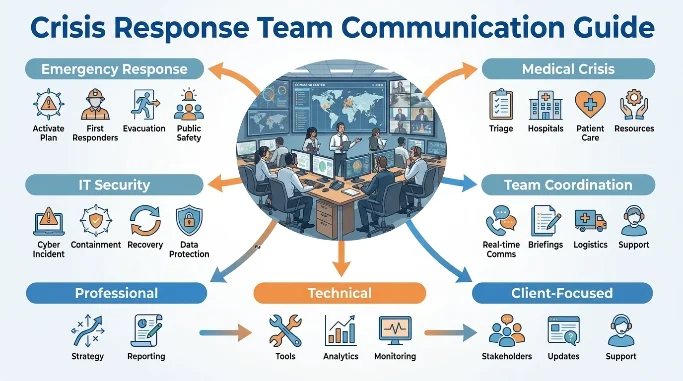
Quick Answer: Leading a crisis response team requires clear, confident communication. Use these responses: “We are activating our emergency protocol now” or “The team is assembled and assessing the situation” or “I need everyone to follow the established procedure” or “We have the situation under control” or “I’m gathering all the information we need right now.”
When a crisis hits, every second counts. The pressure is on, eyes are watching, and the words you choose can either calm the storm or fan the flames. Whether you’re leading a corporate emergency response, managing a healthcare situation, or coordinating a community effort, knowing exactly what to say in high-stakes moments is absolutely critical.
The way you communicate as a crisis response team member shapes how people perceive the situation and your ability to handle it. Your words can build confidence, inspire action, and save valuable time. This guide gives you ready-to-use responses for every crisis scenario, helping you stay professional, clear, and effective when it matters most.
Crisis Leadership Responses
- “I’m taking charge of this situation. Here’s what we need to do.”
Example: Use this when you need to establish clear leadership immediately.
Meaning: This statement shows confidence and decisiveness, reassuring everyone that someone capable is in control. - “I need everyone to pause and listen for a moment.”
Example: Perfect for when chaos is escalating and people need to refocus.
Meaning: This command cuts through the noise and demands attention without causing panic. - “We have a situation, and I need your full attention.”
Example: Use this to gather your team’s focus during critical moments.
Meaning: This direct statement signals urgency while maintaining professionalism. - “I’m going to need your cooperation on this.”
Example: Great for when you need specific team members to follow instructions.
Meaning: This collaborative approach encourages teamwork while asserting authority. - “My priority right now is safety and order.”
Example: Use this when you need to clarify your immediate objectives.
Meaning: This response reassures everyone that their well-being comes first. - “We’re going to handle this together as a team.”
Example: Perfect for boosting morale during difficult situations.
Meaning: This inclusive statement builds unity and shared responsibility. - “Here’s the plan. Follow my lead.”
Example: Use this when you need to implement a predetermined strategy.
Meaning: This confident directive shows you have a clear path forward. - “I’m coordinating our response. Everyone stay with me.”
Example: Great for when you’re managing multiple moving parts.
Meaning: This statement keeps your team connected and aligned with your direction. - “We have protocols for this. Let’s follow them step by step.”
Example: Use this when established procedures exist for the situation.
Meaning: This response builds confidence by showing there’s a proven system. - “I need clear communication from everyone right now.”
Example: Perfect for when information needs to flow quickly and accurately.
Meaning: This request sets expectations for efficient team communication. - “Let me take the lead on this. Trust the process.”
Example: Use this when team members are hesitating or second-guessing.
Meaning: This confident reassurance helps people trust your direction. - “I’m assessing the situation and will update you shortly.”
Example: Great for when you need a moment to gather information.
Meaning: This response acknowledges the need for quick action while taking time to be thorough.
Emergency Response Communications
- “We are activating our emergency protocol immediately.”
Example: Use this when you need to trigger your organization’s crisis plan.
Meaning: This formal announcement signals that your crisis response team is mobilizing. - “I’m currently at the scene and assessing the situation.”
Example: Perfect for when you need to provide a status update remotely.
Meaning: This response confirms you have first-hand knowledge of what’s happening. - “All personnel, please report to your designated stations.”
Example: Use this when team members need to follow emergency procedures.
Meaning: This clear instruction directs everyone to their predetermined roles. - “We are securing the area. Please stay calm and follow instructions.”
Example: Great for public-facing crisis situations.
Meaning: This response prioritizes safety while maintaining a reassuring tone. - “First responders have been contacted and are on their way.”
Example: Use this when external help is needed and incoming.
Meaning: This update provides assurance that professional support is coming. - “I’m confirming all safety measures are in place.”
Example: Perfect for when you’re double-checking protocols.
Meaning: This statement shows diligence and commitment to security. - “I need a headcount of everyone present.”
Example: Use this when ensuring all people are accounted for is critical.
Meaning: This practical request helps you assess the full scope of the situation. - “Moving to phase two of the crisis plan now.”
Example: Great for when you’re progressing through your emergency procedures.
Meaning: This update keeps your team informed about the response progression. - “All systems are being monitored closely right now.”
Example: Use this when technology or infrastructure is involved.
Meaning: This response reassures stakeholders that you’re actively watching key indicators. - “I need to establish a command center here.”
Example: Perfect for when a centralized control point is needed.
Meaning: This directive sets up organized leadership for the duration of the crisis. - “We’re coordinating with other agencies and departments.”
Example: Use this when multiple organizations are involved in the response.
Meaning: This update shows you’re leveraging all available resources. - “Our priority is containment and resolution.”
Example: Great for when you need to state your primary objectives clearly.
Meaning: This statement focuses your team on the two most important outcomes.
Calming and Reassuring Responses
- “I understand this is stressful. We’re going to handle it together.”
Example: Use this when people are visibly anxious or panicked.
Meaning: This empathetic response acknowledges emotions while offering reassurance. - “Take a deep breath. I’m working on this right now.”
Example: Perfect for when you need to help someone regain composure.
Meaning: This calming directive helps people center themselves while you take action. - “I’ve got this under control. You don’t need to worry.”
Example: Use this when you want to offload someone’s anxiety.
Meaning: This confident reassurance shifts the burden of worry to you. - “We have the resources and expertise to handle this.”
Example: Great for reassuring stakeholders or team members.
Meaning: This statement builds confidence by highlighting your team’s capabilities. - “Everything is going to be fine. Let me take care of this.”
Example: Use this when someone needs to step back from the situation.
Meaning: This caring response invites them to trust your handling of the problem. - “I’m staying calm so you can stay calm too.”
Example: Perfect for modeling desired behavior during crises.
Meaning: This self-aware response shows you’re leading by example. - “This is a challenge, but we’ve trained for situations like this.”
Example: Use this when you need to remind your team of their preparedness.
Meaning: This response leverages your team’s confidence in their training. - “I’m going to walk you through this step by step.”
Example: Great for when someone needs guidance through a process.
Meaning: This supportive approach reduces anxiety by breaking things down. - “You’re in good hands with our team.”
Example: Use this to reassure individuals affected by the crisis.
Meaning: This warm response conveys competence and care simultaneously. - “I know this is difficult, but we’re making progress.”
Example: Perfect for when you need to acknowledge struggle while staying positive.
Meaning: This balanced response validates feelings while maintaining hope. - “We’re going to get through this together.”
Example: Use this to foster unity during extended crisis situations.
Meaning: This inclusive statement builds community resilience. - “I’m here to help you through every step of this.”
Example: Great for one-on-one support during personal or professional crises.
Meaning: This compassionate response shows unwavering commitment.
Professional Crisis Communication
- “I want to provide you with accurate information, so please bear with me.”
Example: Use this when you need to gather facts before speaking.
Meaning: This professional response shows you value truth over speed. - “I’m gathering all the facts before making any statements.”
Example: Perfect for official communications or media inquiries.
Meaning: This responsible approach demonstrates professionalism and care. - “Our official statement will address all concerns thoroughly.”
Example: Use this when you need to manage expectations about formal communications.
Meaning: This response assures people that their questions will be answered. - “I’ll provide updates as soon as we have confirmed information.”
Example: Great for keeping stakeholders informed without rushing.
Meaning: This commitment to transparency builds trust and credibility. - “We’re being thorough to ensure we get this right.”
Example: Use this when people are impatient for results or answers.
Meaning: This response justifies careful procedures by emphasizing quality. - “I appreciate your patience as we work through this.”
Example: Perfect for when you’re still in the process of resolving things.
Meaning: This gracious response acknowledges others’ cooperation. - “Our team is working diligently to resolve this situation.”
Example: Use this in professional updates to reassure stakeholders.
Meaning: This statement shows commitment and hard work behind the scenes. - “I want to be transparent about what we know and don’t know.”
Example: Great for honest crisis communication.
Meaning: This approach builds trust by admitting limitations while being open. - “We’re following established protocols to ensure consistency.”
Example: Use this when people ask about your procedures.
Meaning: This professional response justifies your actions with established practices. - “I’ll connect you with the appropriate team member for that.”
Example: Perfect for delegating specialized questions.
Meaning: This response shows you know when to bring in specific expertise. - “We’re documenting everything for future review and improvement.”
Example: Use this when showing commitment to learning from the situation.
Meaning: This forward-thinking statement demonstrates organizational maturity. - “Thank you for your understanding during this challenging time.”
Example: Great for closing professional crisis communications.
Meaning: This gracious response acknowledges difficulties while expressing gratitude.
Team Coordination Responses
- “I need everyone to focus on their specific roles right now.”
Example: Use this when team members are deviating from their responsibilities.
Meaning: This directive reinforces the importance of individual contributions to the larger effort. - “Team, I need your status reports as soon as possible.”
Example: Perfect for gathering essential information from each member.
Meaning: This request ensures you have a full picture of the response progress. - “We need to stay coordinated to be most effective.”
Example: Use this when you notice communication breakdowns.
Meaning: This reminder emphasizes the importance of teamwork and sync. - “I’m assigning specific tasks to each of you now.”
Example: Great for when you need to delegate quickly during a crisis.
Meaning: This direct instruction provides clarity and purpose for everyone. - “Please check in with me every 15 minutes for now.”
Example: Use this when you need constant updates from your team.
Meaning: This frequency establishes a rhythm of communication and oversight. - “Let’s regroup in 10 minutes to share our findings.”
Example: Perfect for structured information sharing during complex situations.
Meaning: This scheduling shows you value regular updates and collaboration. - “I need everyone to move to their emergency stations.”
Example: Use this when specific action is required by each team member.
Meaning: This clear command prepares your team for immediate response. - “Keeping communication channels open is our priority.”
Example: Great for when you need to emphasize the importance of staying connected.
Meaning: This reminder ensures everyone understands the value of open lines. - “We’re doing great work, team. Keep pushing.”
Example: Use this to boost morale during a prolonged response.
Meaning: This encouragement acknowledges effort and motivates continued action. - “I appreciate everyone’s quick response to this situation.”
Example: Perfect for showing gratitude for your team’s commitment.
Meaning: This appreciation builds loyalty and reinforces positive behavior. - “Let me clarify our objectives so we’re all on the same page.”
Example: Use this when confusion about goals is evident.
Meaning: This clarifying statement aligns your team and prevents wasted effort. - “We need to maintain our focus and not get distracted.”
Example: Great for when secondary issues are pulling attention away.
Meaning: This directive keeps your team concentrated on the primary emergency.
Medical Crisis Response
- “I need medical personnel to attend to the patient immediately.”
Example: Use this when a health emergency requires urgent care.
Meaning: This direct summons brings qualified help without delay. - “We’re calling for emergency medical assistance right now.”
Example: Perfect for when you need to confirm help is coming.
Meaning: This update provides reassurance that professional care is on its way. - “I need to know if anyone has medical training here.”
Example: Use this when immediate care is needed before professionals arrive.
Meaning: This practical question identifies available resources on the scene. - “Please tell me exactly what happened so I can help.”
Example: Great for gathering information from witnesses or the affected person.
Meaning: This request shows you’re taking the situation seriously and need details. - “I’m keeping the patient calm while we wait for help.”
Example: Use this to explain your current actions to others on the team.
Meaning: This statement shows you’re actively providing comfort and care. - “We need to clear this area for medical access.”
Example: Perfect for when paramedics need space to work.
Meaning: This directive ensures emergency responders have room to operate. - “Please stay with me and focus on your breathing.”
Example: Use this when calming someone who’s in distress.
Meaning: This reassuring instruction helps ground the person while waiting for care. - “I’m documenting everything that happened for the medical team.”
Example: Great for providing information to arriving professionals.
Meaning: This responsible action ensures nothing important is missed by caregivers. - “We’re following the emergency medical protocols established for this.”
Example: Use this when you need to explain your actions to others.
Meaning: This statement justifies your approach with accepted procedures. - “The ambulance has been dispatched and is en route.”
Example: Perfect for keeping everyone informed about response timing.
Meaning: This update gives people a timeline and reassurance. - “Can you tell me where you’re feeling pain or discomfort?”
Example: Use this when assessing someone’s medical condition.
Meaning: This specific question helps determine the nature of the emergency. - “We have a stretcher and supplies ready if needed.”
Example: Great for when you’ve prepared for the arrival of medical help.
Meaning: This readiness shows your crisis response team is prepared for various scenarios.
IT Crisis Response
- “I’m detecting a potential security breach. Shutting down affected systems.”
Example: Use this when you need to stop a cybersecurity threat immediately.
Meaning: This quick action prioritizes containment and protection of data. - “Our IT team is investigating the system failure now.”
Example: Perfect for when you need to update stakeholders about technical issues.
Meaning: This response shows your team is actively working on the problem. - “I need everyone to log off the system until further notice.”
Example: Use this when protecting data and infrastructure is paramount.
Meaning: This directive prevents further damage during a security incident. - “We’re restoring from our latest backup. ETA is 20 minutes.”
Example: Great for when you have a recovery plan in place.
Meaning: This specific update provides a clear timeline for resolution. - “I need to isolate this server from the network.”
Example: Use this when controlling the spread of a technical issue.
Meaning: This technical action prevents problems from affecting other systems. - “We’re implementing our disaster recovery protocol now.”
Example: Perfect for when you need to activate pre-planned technical procedures.
Meaning: This formal activation shows your team is following prepared plans. - “I’ve escalated this issue to our highest technical team.”
Example: Use this when you need to involve specialized expertise.
Meaning: This response shows you’re using all available resources to resolve the issue. - “Please try refreshing your connection and checking back.”
Example: Great for basic troubleshooting with users.
Meaning: This simple instruction gives people something productive to do while you work. - “We’re monitoring all systems for any unusual activity.”
Example: Use this when staying vigilant during a potential threat.
Meaning: This statement shows you’re taking proactive security measures. - “I need the log files from the last hour immediately.”
Example: Perfect for when you need to trace what happened.
Meaning: This specific request helps your investigation get the data it needs. - “We’ve identified the issue and are applying the fix now.”
Example: Use this when you want to show progress and resolution.
Meaning: This update shifts the focus from problem identification to solution implementation. - “Please do not click on any suspicious links or attachments.”
Example: Great for preventing social engineering or phishing during a security event.
Meaning: This cautionary advice protects users from additional threats.
Crisis Management for Customer Service
- “I completely understand why you’re frustrated. I’m here to help.”
Example: Use this when dealing with upset customers during a service crisis.
Meaning: This empathetic statement validates their feelings while offering assistance. - “I’m personally taking over your case to resolve this.”
Example: Perfect for when you want to provide dedicated attention to a problem.
Meaning: This personal commitment shows you care about their specific situation. - “We’re experiencing higher than usual traffic, but you’re my priority.”
Example: Use this when you want to make a customer feel valued despite delays.
Meaning: This response acknowledges the big picture while focusing on their needs. - “I appreciate you bringing this to our attention.”
Example: Great for when a customer reports a problem your team needs to know.
Meaning: This gratitude encourages reporting and shows you value their input. - “Let me investigate this and get back to you with a solution.”
Example: Use this when you need time to research or check with others.
Meaning: This professional response manages expectations while promising action. - “I’m going to escalate this to make sure it gets addressed properly.”
Example: Perfect for when you need additional authority to resolve something.
Meaning: This proactive move shows you’re using your resources to help them. - “I can only imagine how inconvenient this must be for you.”
Example: Use this when acknowledging a significant inconvenience.
Meaning: This empathetic response shows you understand the impact on their life. - “Here’s what I can do for you right now to make this right.”
Example: Great for offering immediate, practical solutions.
Meaning: This response shows you’re taking action rather than just making promises. - “I’ll be with you every step of the way until this is resolved.”
Example: Use this when you want to assure someone of ongoing support.
Meaning: This commitment provides comfort and reliability during a stressful time. - “Thank you for your patience while we work on this.”
Example: Perfect for when a resolution is taking time.
Meaning: This gratitude acknowledges their cooperation and reduces tension. - “I’m getting my manager involved to fast-track your solution.”
Example: Use this when you need additional authority or resources.
Meaning: This shows you’re doing everything possible to help them quickly. - “Is there anything else I can assist you with today?”
Example: Great for wrapping up a customer interaction thoroughly.
Meaning: This proactive question ensures all their needs are met.
Strategic Crisis Decision Making
- “I need to assess all our options before we proceed.”
Example: Use this when you need to avoid rushing into a decision.
Meaning: This thoughtful response shows you value careful consideration. - “We have several paths forward. Let me evaluate which is best.”
Example: Perfect for when you have multiple potential solutions.
Meaning: This approach shows you’re weighing your options carefully. - “I’m going to make the call that prioritizes safety over speed.”
Example: Use this when you need to justify a careful approach.
Meaning: This statement clarifies your values and decision-making priorities. - “Let me discuss this with my team before committing.”
Example: Great for when you need collaborative input on a major decision.
Meaning: This approach shows you value diverse perspectives. - “We need to consider the long-term implications of this choice.”
Example: Use this when immediate actions have future consequences.
Meaning: This forward-thinking perspective prevents quick fixes that create bigger problems. - “I’m comfortable making this decision based on our protocols.”
Example: Perfect for when you need to act within established guidelines.
Meaning: This confidence comes from following proven procedures. - “Give me a few minutes to work through the best approach.”
Example: Use this when you need structured thinking time.
Meaning: This request for time shows you’re committed to quality decisions. - “We can do X immediately while planning Y for the long term.”
Example: Great for balancing urgent needs with strategic planning.
Meaning: This two-part approach handles both current and future challenges. - “I’ve considered three scenarios and this is the safest path.”
Example: Use this when you want to show your decision is well-reasoned.
Meaning: This explanation demonstrates thorough consideration of possibilities. - “This decision comes down to what’s best for everyone involved.”
Example: Perfect for when you need to make a collective good choice.
Meaning: This statement shows you’re considering all stakeholders. - “I’m confident in this choice based on the information we have.”
Example: Use this when you need to commit to a decision with conviction.
Meaning: This assurance shows you’ve done your homework and are ready to act. - “We’ll implement this plan now and adjust if needed later.”
Example: Great for when you need to start something while staying flexible.
Meaning: This responsive approach combines action with adaptability.
Crisis Response for Mental Health Support
- “I’m here for you, and I want to make sure you’re safe.”
Example: Use this when someone is going through a mental health emergency.
Meaning: This caring statement prioritizes safety while offering support. - “You’re not alone in this. I’m going to help you through it.”
Example: Perfect for when someone is feeling isolated or scared.
Meaning: This reassuring response provides connection and companionship. - “I’m going to stay with you until we find you the right support.”
Example: Use this when someone needs someone to accompany them.
Meaning: This commitment shows you won’t abandon them in their time of need. - “Your feelings are completely valid, and I hear you.”
Example: Great for validating someone’s emotional experience.
Meaning: This affirmation helps someone feel understood and accepted. - “I want to help you find some professional support.”
Example: Use this when you need to connect someone with specialized help.
Meaning: This proactive response shows you’re taking their needs seriously. - “Can we take a moment to breathe together?”
Example: Perfect for when someone is experiencing acute anxiety or panic.
Meaning: This calming suggestion helps regulate overwhelming emotions. - “I’m not going anywhere. You can talk to me about anything.”
Example: Use this to create a safe space for open conversation.
Meaning: This unconditional support encourages honest expression. - “What you’re going through is really challenging. I’m sorry.”
Example: Great for expressing empathy and compassion.
Meaning: This validation shows you recognize the difficulty of their situation. - “Let’s focus on what we can control right now.”
Example: Use this when someone is overwhelmed by things beyond their control.
Meaning: This practical focus helps someone find manageable steps. - “I want to make sure you’re connected to helpful resources.”
Example: Perfect for providing practical support and next steps.
Meaning: This action-oriented response ensures they get the help they need. - “You’re so strong for reaching out for help.”
Example: Use this when someone takes the brave step of asking for support.
Meaning: This encouragement reinforces positive help-seeking behavior. - “I’m proud of you for talking about what’s going on.”
Example: Great for acknowledging the courage it takes to be vulnerable.
Meaning: This appreciation strengthens trust and encourages continued openness.
Post-Crisis Recovery
- “We’ve handled the immediate situation. Now let’s focus on recovery.”
Example: Use this when you’re transitioning from response to rebuilding.
Meaning: This shift in focus acknowledges progress while setting new priorities. - “I’m proud of how our team managed that crisis.”
Example: Perfect for recognizing your team’s efforts after things calm down.
Meaning: This appreciation builds morale and reinforces positive teamwork. - “Let’s document everything we learned from this experience.”
Example: Use this when you want to improve future responses.
Meaning: This commitment to learning shows you value growth and improvement. - “We’ll be reviewing our procedures to make sure we’re even better prepared.”
Example: Great for demonstrating a commitment to continuous improvement.
Meaning: This proactive statement shows you’re already thinking about the future. - “I want to check in with everyone on the team about how they’re doing.”
Example: Use this to ensure your team’s well-being after a stressful event.
Meaning: This caring response prioritizes your people’s emotional health. - “We made the right calls during this crisis, and it shows.”
Example: Perfect for reinforcing confidence in your team’s abilities.
Meaning: This positive reinforcement builds trust and team cohesion. - “Let’s create a plan to prevent this from happening again.”
Example: Use this when you need to address root causes.
Meaning: This forward-focused response shows you’re thinking about systemic solutions. - “I’m grateful for everyone’s hard work during this difficult time.”
Example: Great for expressing appreciation after a challenging event.
Meaning: This gratitude acknowledges the effort and dedication of your team. - “We’re stronger as a team because of how we handled this.”
Example: Use this when you want to find the positive in a hard experience.
Meaning: This reframing builds resilience and collective confidence. - “I want to make sure we don’t lose sight of the lessons here.”
Example: Perfect for when you want to ensure learning is applied.
Meaning: This emphasis on growth ensures the crisis has lasting value. - “We should take some time to process this as a team.”
Example: Use this when emotional recovery is needed after a tough event.
Meaning: This supportive approach acknowledges the emotional toll of crisis work. - “I’m already thinking about how we can improve our response.”
Example: Great for showing proactive leadership post-crisis.
Meaning: This forward-looking statement demonstrates commitment to excellence.
Crisis Response for Natural Disasters
- “I’m confirming everyone is accounted for and safe.”
Example: Use this during the immediate aftermath of a natural disaster.
Meaning: This focus on safety shows your primary concern is people’s well-being. - “We’re following the official evacuation procedures now.”
Example: Perfect for when you need to move people to safety.
Meaning: This adherence to protocols ensures an organized, safe evacuation. - “I’m in contact with local emergency management officials.”
Example: Use this when coordinating with external authorities.
Meaning: This update shows you’re connected to the official response network. - “We need to move to the designated shelter immediately.”
Example: Great for when you need to direct people to safe locations.
Meaning: This clear directive prioritizes safety above all else. - “I have the emergency supply kits and are distributing them now.”
Example: Use this when you need to reassure people about basic needs.
Meaning: This practical update shows you’re addressing essential requirements. - “We’re monitoring weather updates and staying informed.”
Example: Perfect for when situational awareness is critical.
Meaning: This statement shows you’re staying on top of changing conditions. - “I need everyone to stay together and follow the instructions.”
Example: Use this when maintaining group cohesion is important.
Meaning: This directive keeps people safe by preventing separation. - “Help is on the way. We just need to hold tight.”
Example: Great for when you’re waiting for external support.
Meaning: This reassuring response gives hope and a sense of timeline. - “We’re assessing any damage and identifying immediate needs.”
Example: Use this when you need to take stock of the situation.
Meaning: This systematic approach helps prioritize resources and actions. - “Let’s focus on the most urgent needs first.”
Example: Perfect for when you need to triage a complex situation.
Meaning: This prioritization ensures the most critical issues are addressed first. - “We’re establishing a central communication hub for updates.”
Example: Use this when clear information flow is essential.
Meaning: This structure ensures everyone gets consistent, accurate information. - “I’m coordinating with the response teams from neighboring areas.”
Example: Great for when you need to leverage outside resources.
Meaning: This collaboration shows you’re maximizing available support.
Corporate Crisis Response
- “Our leadership team is meeting right now to address this.”
Example: Use this when you need to show high-level engagement.
Meaning: This update demonstrates that senior leaders are actively involved. - “We’re committed to transparency as we navigate this situation.”
Example: Perfect for when you need to build trust with stakeholders.
Meaning: This principle guides honest and open communication. - “We have a team dedicated to resolving this issue.”
Example: Use this when you want to show focused effort on the problem.
Meaning: This statement shows you’ve allocated resources specifically for the crisis. - “We’re reviewing the situation thoroughly before making decisions.”
Example: Great for when you need to prevent knee-jerk reactions.
Meaning: This careful approach ensures decisions are well-informed. - “Our first priority is our people and their well-being.”
Example: Use this when you need to demonstrate your values in action.
Meaning: This values-based statement makes your priorities clear. - “We’re communicating with all affected parties as quickly as possible.”
Example: Perfect for when stakeholder communication is essential.
Meaning: This commitment to reach out shows you’re not leaving anyone uninformed. - “I’m taking responsibility for our response to this situation.”
Example: Use this when accountability is crucial.
Meaning: This leadership move builds trust through ownership. - “We’re working with experts to ensure we address everything properly.”
Example: Great for when you need to leverage external expertise.
Meaning: This shows you’re not going it alone but using all available knowledge. - “Our business continuity plan is being activated as we speak.”
Example: Use this when you need to keep operations running during a crisis.
Meaning: This update reassures people that essential functions will continue. - “We’re committed to resolving this in a way that’s fair to everyone.”
Example: Perfect for when equity and fairness are concerns.
Meaning: This commitment to fairness builds stakeholder confidence. - “We’ll be providing regular updates until this is fully resolved.”
Example: Use this when you need to maintain ongoing communication.
Meaning: This promise keeps people informed throughout the process. - “This situation has our full attention and resources.”
Example: Great for when you need to emphasize your commitment.
Meaning: This statement shows you’re not treating the crisis as a side issue.
FAQs
What does a crisis response team actually do?
A crisis response team mobilizes quickly during emergencies to manage situations, coordinate resources, and communicate effectively. They assess threats, implement protocols, and guide people through challenging events while maintaining safety and order.
What are the key qualities of an effective crisis response team?
Effective crisis response teams share qualities like clear communication, decisive leadership, emotional intelligence, adaptability, and strong training. They stay calm under pressure, think strategically, and prioritize people’s safety and well-being above all else.
How do you communicate during a crisis?
During a crisis, communicate clearly, calmly, and consistently. Be honest about what you know and don’t know. Use simple language, give specific instructions, and provide regular updates. Always prioritize safety information and show empathy for those affected.
What should a crisis response team do first?
The first priority is always safety. Assess the situation immediately, ensure people are out of danger, and activate emergency protocols. Then gather information, establish communication, and begin coordinating resources based on the severity of the crisis.
How can I stay calm when leading a crisis response?
To stay calm, focus on your training and protocols. Take deep breaths to regulate stress. Delegate tasks to prevent being overwhelmed. Communicate clearly with your team. Remember that your composure helps others stay calm too.
What’s the most common mistake during crisis response?
The most common mistake is not communicating enough. People often assume others know what’s happening when they don’t. Over-communicate rather than under-communicate. Regular updates, even small ones, keep everyone informed and reduce anxiety.
How do you handle someone who is panicking during a crisis?
When someone is panicking, stay calm yourself. Speak slowly and clearly. Acknowledge their fear without dismissing it. Give them simple, specific things to do. Physical actions like breathing exercises can help. Most importantly, stay with them and don’t leave them alone.
Why is training important for crisis response?
Training builds muscle memory for high-stress situations. When you’ve practiced responses before, you don’t have to think as hard under pressure. Training builds confidence, creates shared expectations, and ensures everyone knows their role without needing to figure it out in the moment.
Conclusion
Being part of a crisis response team means stepping up when others are stepping back. It’s about having the right words ready when the pressure is highest and the stakes are greatest. The way you communicate during emergencies doesn’t just solve problems – it builds trust, calms fears, and saves lives.
Remember, every crisis situation is different, but the principles of clear, confident, and compassionate communication always apply. Use these responses as your foundation, adapt them to your specific needs, and lead with courage and care. Your words have power. Use them wisely to guide your team through any challenge that comes your way. Keep this guide handy, share it with your colleagues, and always stay prepared to respond when it matters most.
