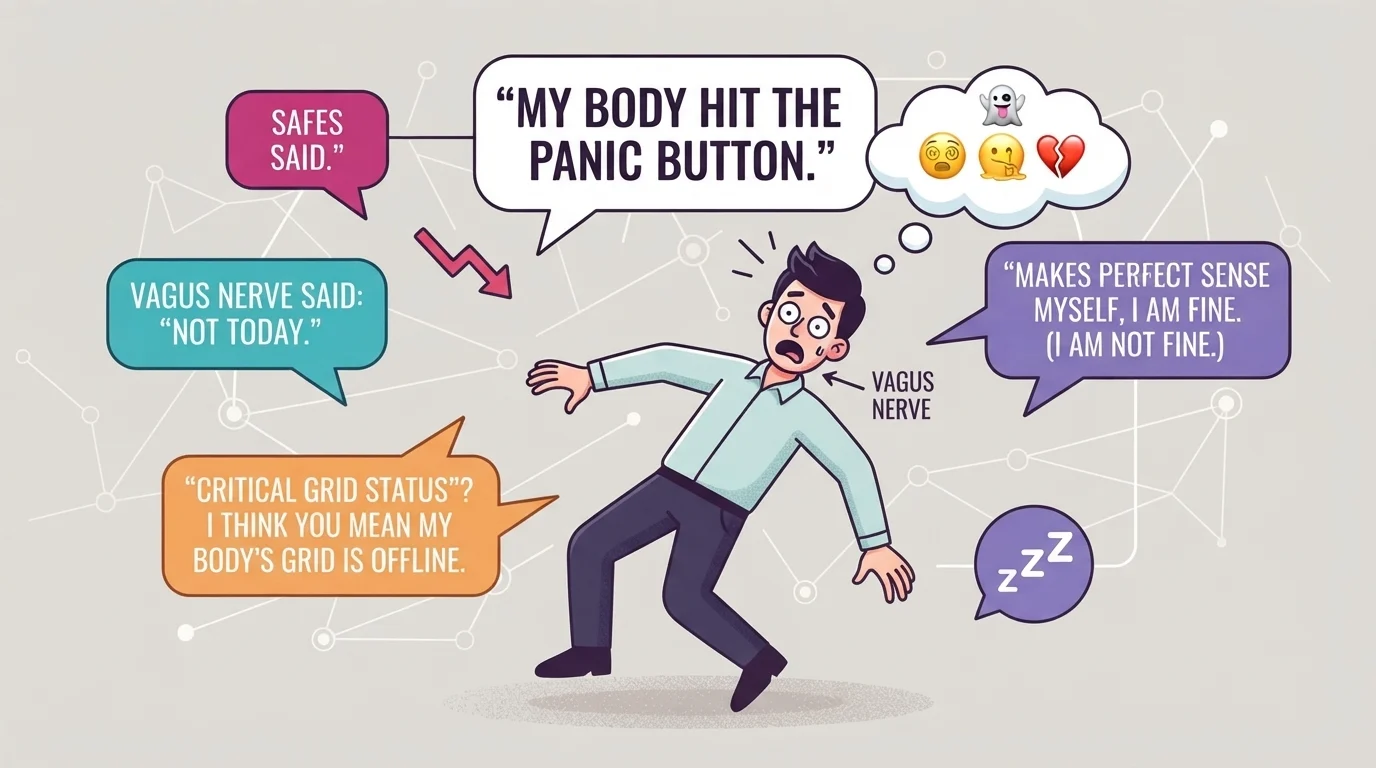
Hyper independence trauma response is when you would rather handle everything alone than risk needing someone, often because past trauma taught you help was not safe. Top replies: “I’m used to doing it alone,” “I don’t need help, but thank you,” “I’ve got it, really,” “Asking for help feels unsafe,” and “I’ll handle it myself.”
Ever catch yourself saying “I’m fine” while carrying ten bags, a laptop, and a whole emotional breakdown? That is hyper independence trauma response in action, and it shows up in texts, DMs, work chats, and late night talks more than people admit. It can look like refusing help, overworking, or disappearing when things get heavy.
It matters because replying well can either push people away or let them in without pressure. Whether you are the hyper independent one or love someone who is, the right words can make safety feel possible. You do not have to become a burden to be loved, and you do not have to stay lonely to feel safe. Below are 200+ text ready replies for every mood, tone, and situation.
Funny Responses
- I’m fine, I just have a black belt in carrying everything alone.
Example: Texting friends after refusing help with moving boxes.
Meaning: You are joking about your reflex to handle everything solo. - My love language is “no thanks, I got it.”
Example: Replying to a coworker who offers to take a task.
Meaning: You are naming your hyper independent habit with humor. - I would rather assemble furniture alone than ask for a screwdriver.
Example: When someone offers to help build a shelf.
Meaning: You are exaggerating your need to do everything yourself. - Asking for help is my final boss and I keep losing.
Example: Venting to a friend about needing support.
Meaning: You are admitting how hard it is to accept help. - I carry my own bags, my own feelings, and probably yours too.
Example: Joking after a long day of overfunctioning.
Meaning: You are pointing out your tendency to take on too much. - My therapist said I can ask for help, so I am asking you to ignore this.
Example: Texting a close friend after a vulnerable moment.
Meaning: You are using humor to deflect while showing growth. - I don’t need a hero, I need a nap and a personality reset.
Example: After pushing yourself too hard again.
Meaning: You are laughing at your own exhaustion. - I am not independent, I am just emotionally unavailable with extra steps.
Example: Joking with a friend who knows your patterns.
Meaning: You are naming the trauma response with self aware humor. - My plan A is do it alone. My plan B is also do it alone.
Example: When someone asks how you will manage a big task.
Meaning: You are highlighting your default setting. - I will accept help after I finish panicking about accepting help.
Example: Responding to a kind offer you actually need.
Meaning: You are showing the internal conflict behind hyper independence. - I am allergic to depending on people, but I am working on it.
Example: Texting a partner after a small moment of trust.
Meaning: You are admitting progress with a playful tone. - My comfort zone is doing everything myself and then complaining.
Example: Joking with friends after a stressful week.
Meaning: You are owning your pattern without shame.
Brutal Responses
- I don’t trust people to show up, so I show up for myself.
Example: Explaining why you never ask for backup.
Meaning: You are stating the root of your hyper independence. - Every time I needed someone, I learned to need myself more.
Example: Opening up about your trauma response.
Meaning: You are sharing how survival shaped you. - I am not closed off, I am just done being let down.
Example: Defending your boundaries to someone pushing for closeness.
Meaning: You are protecting your peace with honesty. - Help feels like a trap, so I avoid it.
Example: Talking to a therapist about your reactions.
Meaning: You are naming the fear behind your independence. - I would rather struggle alone than owe someone my safety.
Example: Explaining why you reject support.
Meaning: You are revealing how deep the trauma response goes. - I learned early that people leave, so I became my own home.
Example: Sharing your story with a trusted friend.
Meaning: You are explaining the origin of your self reliance. - I don’t need saving, I need consistency, and most people fail that.
Example: Responding to someone who wants to rescue you.
Meaning: You are clarifying what you actually need. - My independence is not a flex, it is a scar.
Example: When someone praises you for doing everything alone.
Meaning: You are reframing a trauma response as survival. - I stopped asking because nobody came.
Example: Confiding in someone about your past.
Meaning: You are explaining why you stopped relying on others. - Trust is expensive and I am not paying again.
Example: Declining emotional support from someone new.
Meaning: You are guarding yourself after past hurt. - I can do it alone, but that does not mean I should have to.
Example: Talking about your tendency to overdo everything.
Meaning: You are acknowledging the unfairness of your pattern. - My nervous system learned people are unreliable, so I became the backup plan.
Example: Discussing trauma responses in a support group.
Meaning: You are linking your hyper independence to survival.
Flirty Responses
- I am used to doing everything alone, but you make me want to share the load.
Example: Flirting with someone who offers to help.
Meaning: You are letting someone in without losing your strength. - I don’t need a hero, but I would not mind a partner in crime.
Example: Texting a crush after they offer support.
Meaning: You are inviting closeness on your own terms. - My trauma response says run, but you make me want to stay.
Example: Being vulnerable with a romantic interest.
Meaning: You are admitting attraction while naming your fear. - I am hyper independent, but you make dependence sound kind of cute.
Example: Flirting after a small moment of trust.
Meaning: You are softening your guard with charm. - I can carry my own bags, but you can carry my heart if you are careful.
Example: Joking with a date about your independence.
Meaning: You are offering intimacy with a playful warning. - I don’t ask for help, but I might ask for you.
Example: Texting someone you like after a hard day.
Meaning: You are making an exception for connection. - You are the first person I did not want to run from.
Example: Sharing a tender moment with a partner.
Meaning: You are showing how special they are to you. - My love language is independence, but you are making me bilingual.
Example: Flirting about your emotional growth.
Meaning: You are learning to speak connection without losing yourself. - I am not easy to hold, but you make me want to be held.
Example: Confiding in a romantic partner.
Meaning: You are admitting vulnerability in a flirty way. - I can survive alone, but I would rather thrive with you.
Example: Texting someone after they support you.
Meaning: You are choosing connection over isolation. - You make asking for help feel less like defeat.
Example: Flirting after accepting a small favor.
Meaning: You are acknowledging their positive impact. - I don’t let people in, but you are already halfway through the door.
Example: Joking with a crush about your walls.
Meaning: You are showing trust with a playful edge.
Polite Responses
- Thank you for offering, I appreciate it, but I can manage.
Example: Responding to a coworker who offers help.
Meaning: You are politely declining while staying kind. - I am used to handling things myself, but I am grateful for your concern.
Example: Replying to a friend who checks in.
Meaning: You are honoring your pattern while acknowledging care. - I appreciate the support, I just need a moment to do it my way.
Example: Telling a partner you need space to solve a problem.
Meaning: You are setting a boundary with warmth. - That is kind of you, but I do not want to put anyone out.
Example: Declining help from an acquaintance.
Meaning: You are being considerate while protecting your independence. - Thank you, I will let you know if I need anything.
Example: Responding to a genuine offer of support.
Meaning: You are leaving the door open without committing. - I am working on accepting help, so thank you for your patience.
Example: Telling a friend about your growth.
Meaning: You are being honest and polite about your journey. - I value your offer, I just have a hard time relying on people.
Example: Explaining your trauma response to someone safe.
Meaning: You are communicating your struggle respectfully. - I am okay for now, but I appreciate you asking.
Example: Replying to a concerned message.
Meaning: You are reassuring them while keeping it brief. - Please do not take it personally if I do things alone.
Example: Setting expectations with a new friend.
Meaning: You are being upfront about your habits. - I am learning that help is not a weakness, thanks for the reminder.
Example: Responding to someone who supported you.
Meaning: You are acknowledging growth with grace. - I do not want to inconvenience you, but I hear your kindness.
Example: Politely responding to an offer you might need.
Meaning: You are balancing self reliance with gratitude. - Thank you for understanding, it means more than you know.
Example: Replying to someone who respects your space.
Meaning: You are showing appreciation for their respect.
Professional Responses
- I am used to working independently, but I am open to collaboration.
Example: Responding to a manager who suggests teamwork.
Meaning: You are showing flexibility while staying true to yourself. - Thank you for the offer, I can handle this task on my own for now.
Example: Replying to a coworker who offers assistance.
Meaning: You are maintaining professionalism and boundaries. - I prefer to manage my workload personally, but I appreciate the support.
Example: Discussing task delegation with a supervisor.
Meaning: You are communicating your style clearly. - I am working on delegating more, thank you for checking in.
Example: Responding to a lead who notices you take on too much.
Meaning: You are showing self awareness and growth. - I do not want to overburden the team, so I will handle this.
Example: Explaining why you take on extra work.
Meaning: You are revealing your hyper independent instinct. - I value your input, I just need to process this alone first.
Example: Replying to a colleague who wants to help.
Meaning: You are setting a professional boundary. - I am comfortable taking this on, but I will ask if needed.
Example: Responding to a check in from your boss.
Meaning: You are projecting confidence and openness. - Thank you for the support, I am still learning to accept it.
Example: Talking to a mentor about your work style.
Meaning: You are being honest in a professional setting. - I prefer to solve problems myself, but I am open to guidance.
Example: Responding to feedback from a supervisor.
Meaning: You are balancing independence with teamwork. - I appreciate you noticing, I am trying to share the load more.
Example: Replying to a colleague who sees you struggling.
Meaning: You are acknowledging progress. - I can manage this deadline, but I will communicate if that changes.
Example: Reassuring your team about a project.
Meaning: You are being reliable and transparent. - Thank you for respecting my process, it helps more than you know.
Example: Responding to a boss who gives you space.
Meaning: You are showing gratitude for professional respect.
Creative Responses
- My independence is a shield I painted myself, and I am learning to put it down.
Example: Explaining your trauma response in a journal.
Meaning: You are using metaphor to describe your healing. - I built a one person army because I was scared of being left behind.
Example: Sharing your story in a support group.
Meaning: You are creatively naming the root of your hyper independence. - Think of me as a house with strong walls and a hidden garden.
Example: Describing yourself to a new friend.
Meaning: You are showing that softness exists behind your guard. - My nervous system wrote a rulebook that says need no one, and I am editing it.
Example: Talking to a therapist about change.
Meaning: You are using creative language to show growth. - I am a lighthouse, I stand alone, but I still guide people home.
Example: Explaining your role in relationships.
Meaning: You are framing your independence as strength and care. - My trauma response is a sequel I never wanted, but I am rewriting the ending.
Example: Blogging about your healing journey.
Meaning: You are claiming authorship of your story. - I learned to be my own safety net before I learned to trust the ground.
Example: Opening up to a close friend.
Meaning: You are using imagery to explain your survival. - My heart has a do not disturb sign, but you can knock softly.
Example: Flirting with someone patient.
Meaning: You are inviting gentle connection. - I am a puzzle that solved itself because no one else showed up.
Example: Talking about your past in therapy.
Meaning: You are creatively expressing your self reliance. - My independence is armor, not a personality, and I am taking it off piece by piece.
Example: Sharing your progress with a partner.
Meaning: You are separating trauma response from identity. - I planted boundaries before I planted trust, and now I am learning to water both.
Example: Describing your healing to a friend.
Meaning: You are using a garden metaphor for growth. - My story is not a solo act, even if I wrote it that way for years.
Example: Reflecting on your journey.
Meaning: You are acknowledging the possibility of connection.
Sarcastic Responses
- Oh, I am fine, I only rebuilt my entire life alone. No big deal.
Example: Responding to someone who says you are strong.
Meaning: You are using sarcasm to highlight the cost of hyper independence. - Sure, let me just add “accepts help” to my list of impossible tasks.
Example: Joking with a friend who offers support.
Meaning: You are mocking how hard it feels to rely on others. - Wow, asking for help, my favorite hobby. Said no one ever.
Example: Venting about a situation where you needed backup.
Meaning: You are expressing frustration through dry humor. - I love how my trauma response thinks isolation is a personality.
Example: Talking to a friend about your patterns.
Meaning: You are sarcastically calling out your own habits. - Yeah, I am super independent, if independent means afraid to need anyone.
Example: Responding to a compliment about your strength.
Meaning: You are revealing the truth behind the label. - Great, another chance to handle everything alone. Thrilling.
Example: Reacting to a new stressful situation.
Meaning: You are sarcastically expressing exhaustion. - Oh, you want to help? Let me first overthink it for three business days.
Example: Replying to an offer of support.
Meaning: You are joking about your resistance to help. - My coping mechanism is doing it all myself, and it is going great, obviously.
Example: Venting to a close friend.
Meaning: You are using sarcasm to admit you are struggling. - I would ask for help, but I am allergic to being a burden.
Example: Joking about your inability to reach out.
Meaning: You are masking fear with sarcasm. - Sure, I will depend on someone, right after I finish building this wall.
Example: Responding to someone who wants closeness.
Meaning: You are sarcastically showing your guard. - I am not distant, I am just protecting my peace from everyone including you.
Example: Texting a friend after canceling plans.
Meaning: You are using humor to explain your withdrawal. - Oh, I am fine, I only had to become my own parent, therapist, and emergency contact.
Example: Joking about your survival skills.
Meaning: You are sarcastically naming the weight you carry.
Cute Responses
- I am a little independent, but I am learning to let people love me.
Example: Texting a partner after they offer support.
Meaning: You are being vulnerable in a sweet way. - My walls are tall, but you make me want to add a door.
Example: Flirting with someone patient.
Meaning: You are showing openness with charm. - I am used to doing things alone, but you make together sound nice.
Example: Responding to a friend who wants to help.
Meaning: You are softening your stance. - I do not need saving, but I would accept a snack and a hug.
Example: Joking with a loved one.
Meaning: You are asking for care in a cute way. - My trauma response is stubborn, but my heart is soft for you.
Example: Confiding in a romantic partner.
Meaning: You are showing affection despite your guard. - I am a strong independent person who also wants to be held sometimes.
Example: Texting a close friend.
Meaning: You are balancing strength and softness. - I can do it myself, but doing it with you sounds cuter.
Example: Flirting while accepting help.
Meaning: You are inviting connection playfully. - I am learning that needing someone does not make me less of me.
Example: Sharing a breakthrough with a loved one.
Meaning: You are expressing growth sweetly. - My heart is a cozy blanket, but I kept it in a locked drawer.
Example: Opening up to someone safe.
Meaning: You are using a cute metaphor for vulnerability. - I am not good at asking, but I am good at appreciating you.
Example: Responding to someone who helped you.
Meaning: You are showing gratitude sweetly. - You make my independent heart want to try teamwork.
Example: Flirting after a collaborative moment.
Meaning: You are admitting your walls are lowering. - I am a soft mess learning to trust, and you make it easier.
Example: Texting a partner after a vulnerable talk.
Meaning: You are being adorable and honest.
Dramatic Responses
- I have carried the weight of the world alone, and my back is tired.
Example: Venting to a friend after a hard week.
Meaning: You are dramatizing the toll of hyper independence. - I built my entire life on the belief that no one would catch me.
Example: Sharing your story in a support group.
Meaning: You are expressing the deep fear behind your trauma response. - Every time I let someone in, a part of me prepares for war.
Example: Opening up about your relationship patterns.
Meaning: You are dramatically describing your protective instinct. - I am not independent, I am a survivor in a one person lifeboat.
Example: Explaining your mindset to a therapist.
Meaning: You are using dramatic imagery to convey your reality. - My nervous system screams “handle it alone” like it is a movie line.
Example: Joking about your internal reaction to help.
Meaning: You are dramatizing the intensity of your response. - I have been my own hero for so long that I forgot how to be saved.
Example: Confiding in a close friend.
Meaning: You are expressing the sadness of your pattern. - I do not let people close because I know how it feels when they leave.
Example: Talking about your past.
Meaning: You are sharing the root of your fear. - My independence is a tragic love story between me and my survival.
Example: Writing in a journal.
Meaning: You are framing your trauma response dramatically. - I would rather bleed alone than ask someone to hold the bandage.
Example: Explaining why you refuse help.
Meaning: You are showing how deep your walls go. - I have been let down so many times that trust feels like a fantasy.
Example: Opening up to a partner.
Meaning: You are expressing your emotional reality. - My heart has a no vacancy sign, but it is not because I do not want guests.
Example: Explaining your distance to someone.
Meaning: You are revealing the pain behind your isolation. - I am tired of being strong, but I do not know how to be soft.
Example: Breaking down with a trusted person.
Meaning: You are admitting the exhaustion of hyper independence.
Chill and Casual Responses
- Yeah, I am used to doing things alone, it is just my normal.
Example: Responding to a friend who asks why you never ask for help.
Meaning: You are stating your pattern without drama. - I am good, I just handle stuff myself.
Example: Replying to a coworker who offers assistance.
Meaning: You are keeping it simple and calm. - It is all good, I do not mind doing it solo.
Example: Declining help with a relaxed tone.
Meaning: You are showing comfort with your independence. - I am fine, just been on my own for a while.
Example: Texting a friend after a long day.
Meaning: You are casually explaining your situation. - No worries, I got it handled.
Example: Responding to someone who checks in.
Meaning: You are projecting calm confidence. - I am not big on asking for help, but I am working on it.
Example: Talking to a friend about your growth.
Meaning: You are being honest without making it heavy. - It is just how I am wired, no big deal.
Example: Explaining your trauma response casually.
Meaning: You are normalizing your experience. - I am chill, I just prefer to do my own thing.
Example: Responding to someone who wants to team up.
Meaning: You are setting a relaxed boundary. - I am okay, I just like handling my own stuff.
Example: Replying to a concerned message.
Meaning: You are keeping the mood light. - Yeah, I am independent, but I am not opposed to help sometimes.
Example: Talking to a new friend.
Meaning: You are showing openness without pressure. - I am good, just used to being my own backup.
Example: Joking with a friend.
Meaning: You are casually revealing your survival habit. - It is fine, I am just wired to do it myself.
Example: Responding to someone who offers support.
Meaning: You are explaining your default with ease.
Confident Responses
- I know I can handle things alone, but I am learning to let people in.
Example: Talking to a therapist about growth.
Meaning: You are owning your strength and your progress. - My independence is real, but so is my willingness to change.
Example: Sharing your journey with a partner.
Meaning: You are confident in both your past and future. - I do not need anyone to save me, but I am open to support.
Example: Responding to someone who wants to help.
Meaning: You are setting a healthy boundary. - I am proud of how far I have come, and I am still growing.
Example: Reflecting on your trauma response.
Meaning: You are honoring your survival and healing. - I can stand alone, but I am choosing to stand with people now.
Example: Talking to a close friend.
Meaning: You are asserting your agency. - My trauma response does not define me, my choices do.
Example: Speaking about your mental health.
Meaning: You are taking ownership of your story. - I am strong enough to ask for help when I need it.
Example: Reaching out to someone you trust.
Meaning: You are redefining strength. - I know my worth, and I know I deserve healthy connection.
Example: Setting boundaries in a relationship.
Meaning: You are affirming your value. - I am not afraid to be alone, but I am no longer afraid to be close.
Example: Opening up to a partner.
Meaning: You are showing emotional growth. - I built myself up, and I can rebuild my trust too.
Example: Talking about your healing process.
Meaning: You are projecting confidence in recovery. - My past made me independent, but my future is mine to design.
Example: Sharing your goals with a friend.
Meaning: You are claiming control of your narrative. - I am learning that needing people is not weakness, it is wisdom.
Example: Discussing your growth in therapy.
Meaning: You are confidently reframing help.
Emotional Responses
- It hurts to feel like no one will be there, so I learned to be there for myself.
Example: Opening up to a close friend.
Meaning: You are sharing the pain behind your independence. - I am tired of carrying everything alone, but I do not know how to stop.
Example: Crying to a trusted person.
Meaning: You are admitting exhaustion and confusion. - Sometimes I wish someone would just show up without me asking.
Example: Texting a friend after a hard day.
Meaning: You are expressing a deep need for support. - I am scared that if I need someone, they will leave.
Example: Confiding in a partner.
Meaning: You are revealing your core fear. - My independence is a response to pain, not a preference.
Example: Talking to a therapist.
Meaning: You are clarifying the roots of your behavior. - I do not want to be a burden, so I stay quiet.
Example: Sharing your feelings with a loved one.
Meaning: You are expressing a common trauma response. - It is lonely being strong all the time.
Example: Venting to a friend.
Meaning: You are admitting the emotional cost. - I wish I could let people help without feeling guilty.
Example: Opening up in a support group.
Meaning: You are expressing a heartfelt desire. - I am learning to trust, but it is slow and scary.
Example: Talking to someone patient.
Meaning: You are being honest about your pace. - Part of me wants to let you in, and part of me wants to run.
Example: Confiding in a romantic interest.
Meaning: You are sharing your internal conflict. - I did not choose this loneliness, it chose me.
Example: Reflecting on your past.
Meaning: You are expressing grief over your isolation. - I am not okay all the time, and I am learning to say that.
Example: Texting a friend after a rough moment.
Meaning: You are practicing vulnerability.
Sweet Responses
- Thank you for being patient with my walls, it means a lot.
Example: Texting a partner who respects your space.
Meaning: You are showing gratitude for their understanding. - I am not used to people staying, so thank you for staying.
Example: Opening up to a close friend.
Meaning: You are expressing tender appreciation. - You make me feel safe enough to need you a little.
Example: Sharing a vulnerable moment.
Meaning: You are admitting growing trust. - I appreciate you not forcing your way in.
Example: Responding to someone who gives you space.
Meaning: You are thanking them for respecting your boundaries. - It is nice to know someone cares without me having to ask.
Example: Texting a loved one.
Meaning: You are expressing sweet surprise. - I am learning to let people love me, and you make it easier.
Example: Talking to a romantic partner.
Meaning: You are showing heartfelt growth. - Thank you for not making me feel broken.
Example: Confiding in a trusted person.
Meaning: You are expressing deep gratitude. - You are the soft place I did not know I needed.
Example: Sharing a tender moment.
Meaning: You are showing affection and trust. - I do not say this often, but I am glad you are here.
Example: Texting a close friend.
Meaning: You are being openly appreciative. - Your kindness makes my guard feel less necessary.
Example: Responding to someone who supports you.
Meaning: You are acknowledging their gentle impact. - I am still learning, but I want to let you in.
Example: Opening up to a partner.
Meaning: You are expressing sweet willingness. - Thank you for loving the parts of me that learned to survive.
Example: Sharing a deep moment with a loved one.
Meaning: You are honoring your healing and their care.
Clever Responses
- My independence is a survival app I did not download on purpose.
Example: Joking with a friend about your patterns.
Meaning: You are using a clever tech metaphor. - I built my own safety net, but I forgot how to fall into someone else’s.
Example: Explaining your trauma response.
Meaning: You are cleverly describing your struggle. - Think of me as a self solving puzzle, but I am missing a few pieces.
Example: Talking to a therapist.
Meaning: You are using wit to express complexity. - My nervous system has a strict no help policy, and I am trying to amend it.
Example: Sharing your growth with a friend.
Meaning: You are cleverly framing your healing. - I am a one person team because I never got drafted by anyone else.
Example: Joking about your past.
Meaning: You are using sports imagery to explain your independence. - My heart has a firewall, but you are a trusted connection.
Example: Flirting with someone patient.
Meaning: You are cleverly showing intimacy. - I learned to be my own emergency contact before I learned to be a friend.
Example: Opening up about your past.
Meaning: You are using sharp language to describe survival. - My trauma response is a software update I never approved.
Example: Venting to a friend.
Meaning: You are using modern humor to explain your reactions. - I am a fortress with a welcome mat hidden in the basement.
Example: Describing yourself to someone new.
Meaning: You are cleverly revealing your softness. - I wrote a book on independence, but I am stuck on the chapter about trust.
Example: Talking about your journey.
Meaning: You are using a literary metaphor for growth. - My boundaries are strong, but my loneliness is louder.
Example: Confiding in a close friend.
Meaning: You are cleverly expressing your emotional truth. - I am not hard to love, I am just hard to reach without a map.
Example: Flirting with someone persistent.
Meaning: You are inviting them to understand you.
Supportive Responses
- I see how hard you work to do everything alone, and I am here if you want help.
Example: Saying this to a friend with hyper independence.
Meaning: You are offering support without pressure. - You do not have to earn rest or help, you deserve it.
Example: Reassuring a loved one.
Meaning: You are countering their trauma response with care. - I am not going anywhere, even if you push me away.
Example: Telling a partner you will stay consistent.
Meaning: You are offering secure connection. - You can take your time, I will be here when you are ready.
Example: Responding to someone who struggles with trust.
Meaning: You are giving them space and safety. - Asking for help does not make you weak, it makes you human.
Example: Encouraging a friend to reach out.
Meaning: You are reframing their belief. - I love how capable you are, and I also love being useful to you.
Example: Telling a partner you want to share the load.
Meaning: You are honoring their strength and offering support. - You do not have to carry this alone, I can hold some of it.
Example: Offering help to someone overwhelmed.
Meaning: You are gently challenging their hyper independence. - I am proud of you for letting me in, even a little.
Example: Texting a loved one after a vulnerable moment.
Meaning: You are celebrating their progress. - Your independence is beautiful, but you are allowed to lean on me.
Example: Reassuring a friend.
Meaning: You are validating them while offering closeness. - I will not make you feel guilty for needing space or support.
Example: Talking to a partner with trauma.
Meaning: You are creating emotional safety. - You are not too much, and you are not a burden.
Example: Comforting someone who fears dependence.
Meaning: You are directly addressing their fear. - I am here for the strong version of you and the soft version too.
Example: Sharing a tender moment.
Meaning: You are offering unconditional support.
FAQs
What does hyper independence trauma response mean?
It is a survival pattern where you avoid relying on others because past trauma taught you that needing people is unsafe or painful.
Is hyper independence flirty or romantic?
It can show up in romance as pushing people away, but with patience it can also become a tender invitation to trust.
How do I talk about this professionally?
Keep it simple: say you are used to working independently and you are learning to collaborate and accept support.
What if I do not actually mean it when I say I am fine?
That is common. Try saying, I am not fine, but I am not ready to talk yet. Honesty builds trust.
Is humor okay when talking about hyper independence trauma response?
Yes, if it helps you cope and does not mock anyone else. Gentle jokes can make hard conversations feel safer.
Conclusion
Your hyper independence trauma response kept you safe, and you do not have to shame it. But you also do not have to let it run every conversation, friendship, or relationship. The replies above give you options for every mood, from funny to soft to professional. Try one that feels like you, even if your voice shakes a little.
Every time you choose connection over isolation, you teach your nervous system a new truth. Save this list, share it with a friend who needs it, and come back when you need words. You are allowed to be strong and supported at the same time. Now go send that text.
